Australia's Pilates Instructor Shortage Hits as Demand Accelerates
Lauren Santos · June 8, 2026

Australia's Pilates industry is hitting a workforce wall. Studio owners are reporting extended recruitment cycles, difficulty finding comprehensively trained instructors, and mounting pressure on senior teaching teams to meet surging client demand, according to The Pilates Journal.
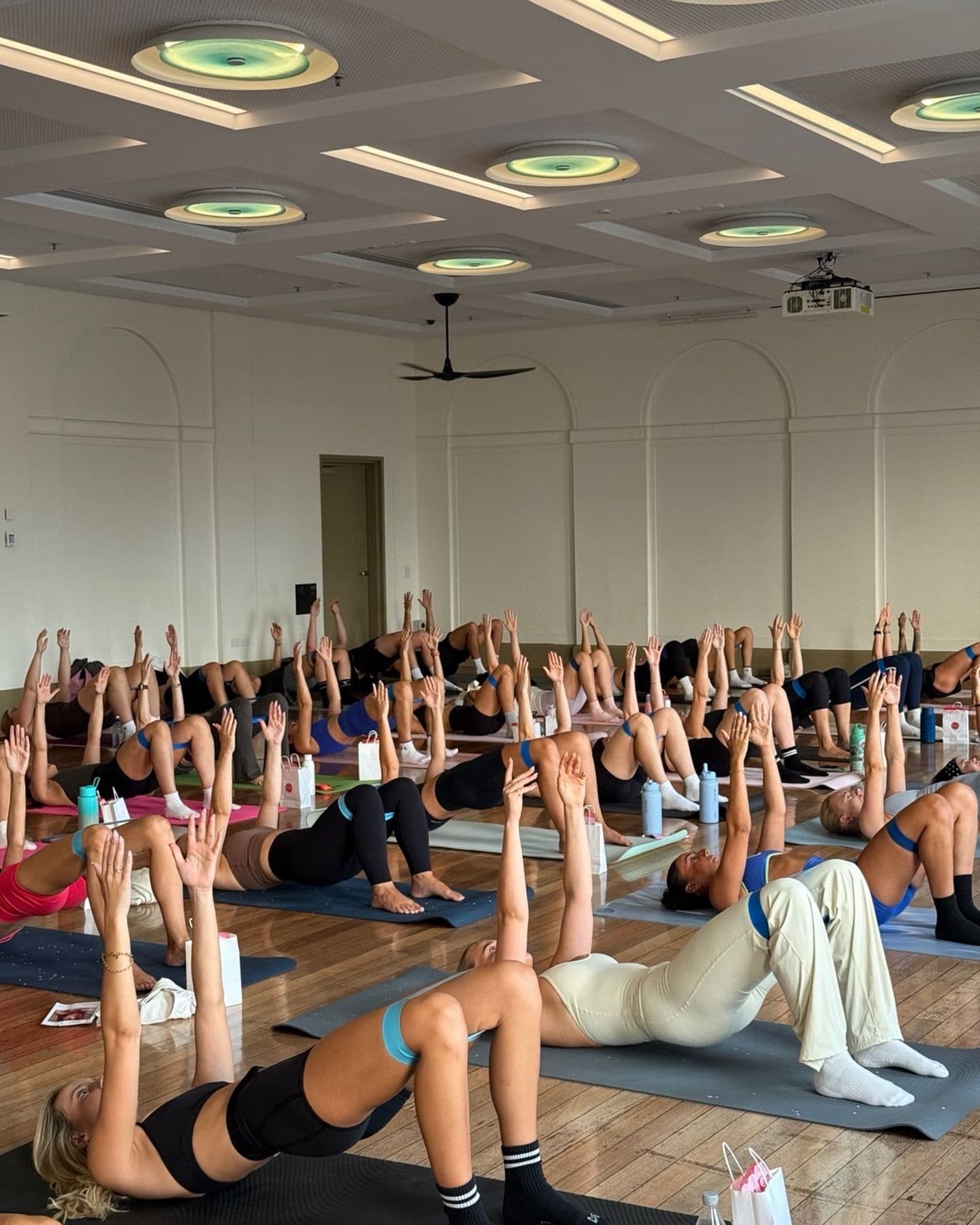
The shortage isn't just about numbers — it's about capability. While demand for Pilates continues climbing, particularly in clinical and specialized environments, the workforce equipped to deliver that level of instruction remains limited. Studios are delaying expansion plans, reducing service capacity, or relying on narrower teaching skillsets just to keep classes running.

Part of the problem sits in the education pipeline. Fewer students are progressing through diploma-level qualifications, and those who do are increasingly choosing independent work over studio employment. The shift toward flexible, self-employed models is shrinking the pool of instructors available for comprehensive studio-based delivery.

The anticipated return of private health fund rebates adds complexity. While exact frameworks are still being finalized, the direction points toward greater emphasis on recognized qualifications and defined scope of practice — essentially acting as a demand multiplier while simultaneously restricting who can deliver rebate-eligible services.
What's emerging is a clearer distinction between general group instruction and individualized, clinically informed work. Both matter, but the regulatory environment is defining each with distinct training expectations and professional positioning requirements that weren't previously formalized.

The industry is maturing into one where comprehensive training isn't just preferred — it's becoming essential for accessing stable employment and broader earning potential. For instructors without formal recognition, pathways like Recognition of Prior Learning offer structured alignment with emerging standards, typically through a combination of credential recognition and targeted training rather than starting over.