The Vintage Sportswear Revival That’s Redefining Workout Style
Lauren Santos · January 27, 2026
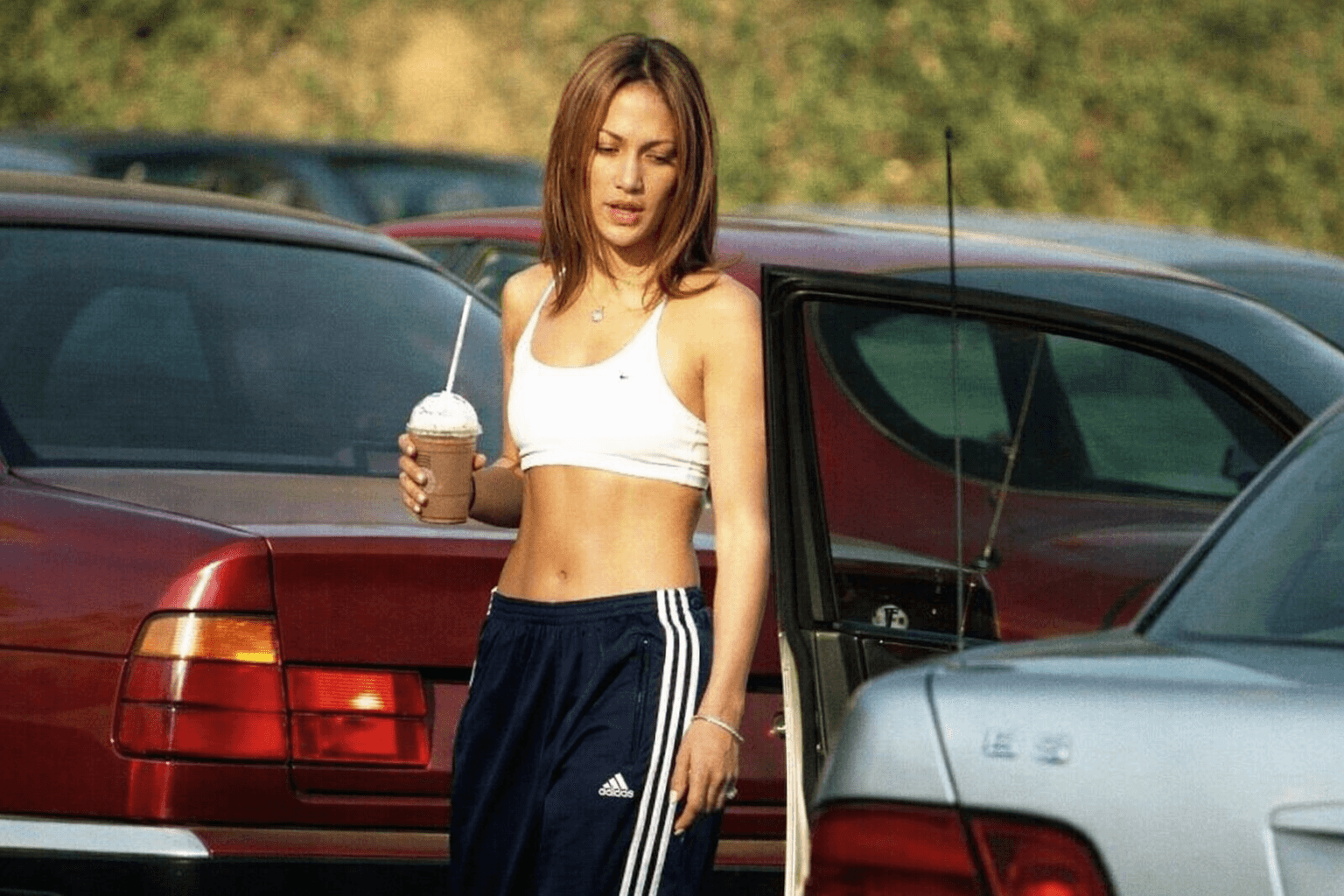
In the fluorescent-lit aisles of boutique thrift stores and the endlessly scrolling feeds of TikTok, a new kind of gym aesthetic is taking shape: one that looks decidedly less like sleek, sculpted athleisure and more like a time machine back to the heyday of real sportswear. What was once confined to dusty racks and flea markets has become, in 2025 and early 2026, a full-blown cultural moment—where vintage tees, Y2K tracks, and thrifted cotton shorts are giving performance tech a run for its money.

From Matching Sets to Personal Style
For years, the gym uniform has essentially meant the same thing: high-performance leggings, sculpting sports bras, neutral tones, and matching co-ords. Brands like Alo Yoga and Lululemon turned functional pieces into lifestyle status symbols, with minimalist silhouettes dominating TikTok challenges and influencer wardrobes alike. But something about that sleek conformity—however well-engineered—has begun to feel, well… monotonous.
Enter vintage. Not as a quirky microtrend, but as a rebellion against uniformity. Influencers like Natalia Spotts and Isabella Vrana went viral for reminding gym-goers that they don’t have to dress like everyone else. Instead of monochrome sculpt-fits, they flexed neon trackies, oversized cotton tees, and ’90s basketball shorts—pieces that feel more personal and expressive than anything the typical activewear racks have offered.
Style With a Story
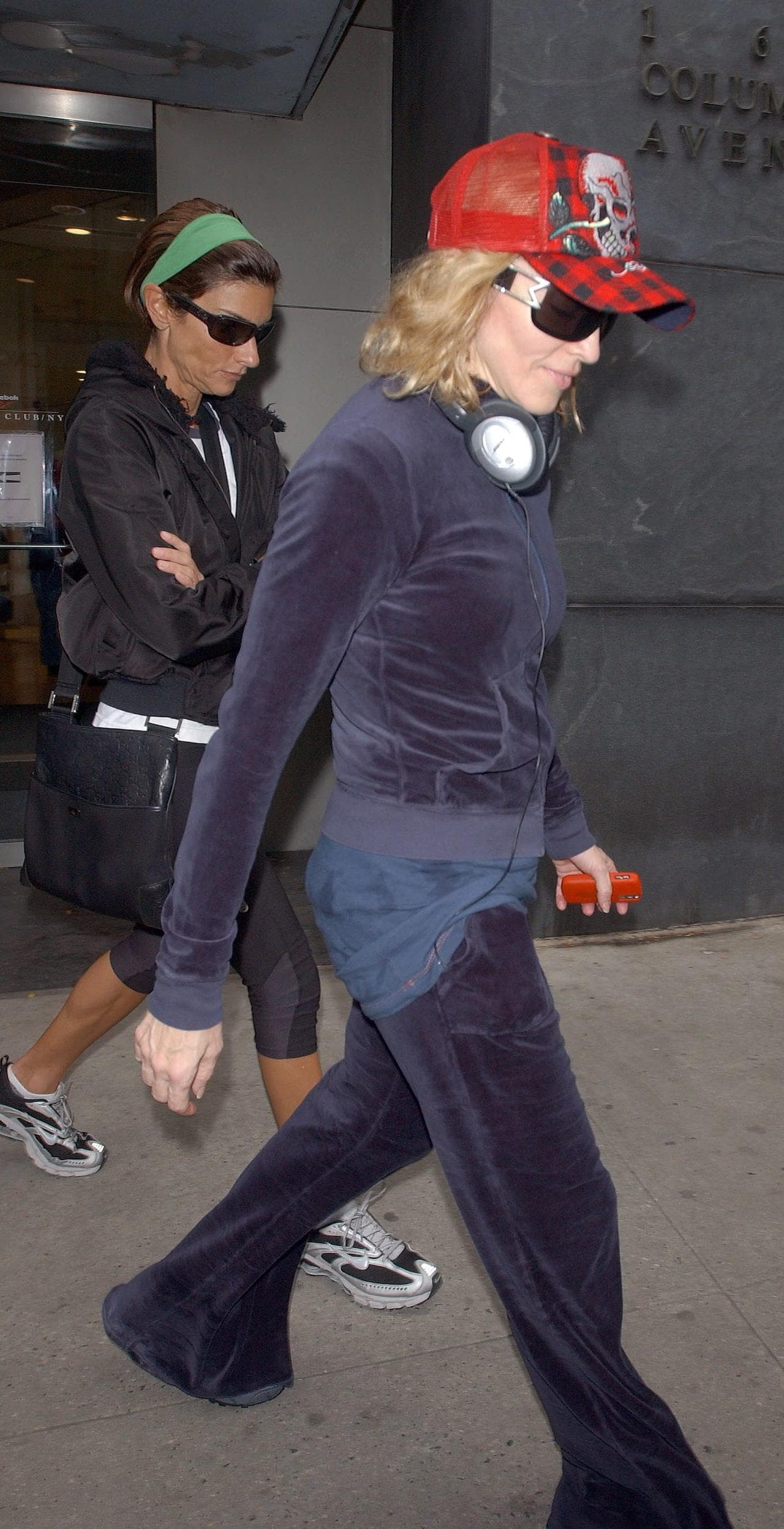
Rewind the clock to the early 2000s and late ’90s gym culture: Madonna and Gwyneth Paltrow photographed walking between workouts in low-slung sweats and printed tees, each look unique to the wearer. That spirit—fun, laissez-faire, and completely unaligned with influencer branding—is exactly what today’s thrifters are resurrecting.
Vintage resellers such as Rummage Stretch and Bean by Jess have even begun curating specific pre-loved activewear categories, turning old sports bras, reversible leggings, and retro windbreakers into coveted pieces for both gym floors and street style snaps.
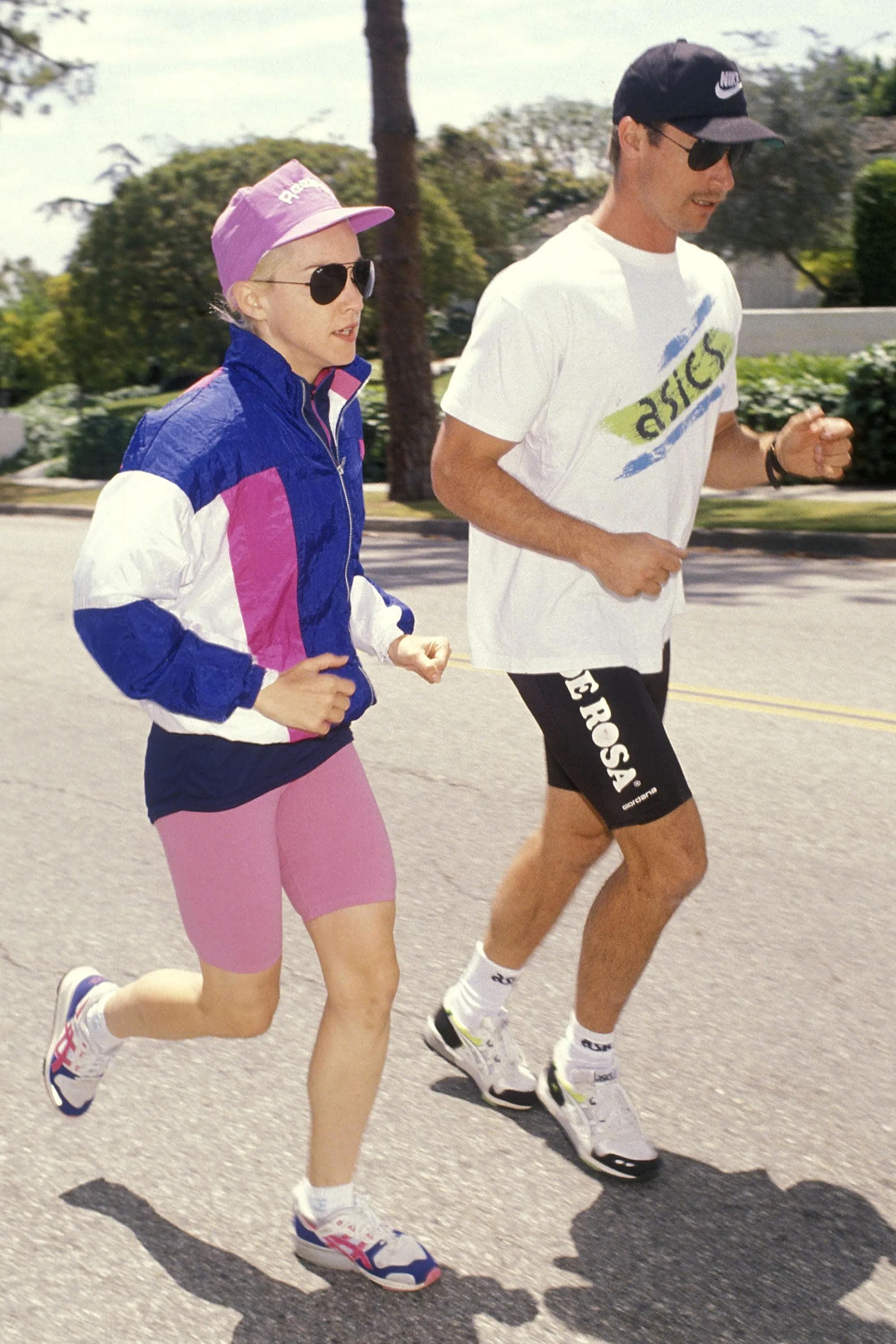
There’s something liberating about pulling out a T-shirt from the early 2000s or vintage track pants that already have history. These garments carry stories—of breakdances, early morning runs, schoolyard drills—that contrast sharply with today’s mass-produced nylon sets. They invite the wearer not just to move, but to express.
Comfort, Individuality, and Sustainability
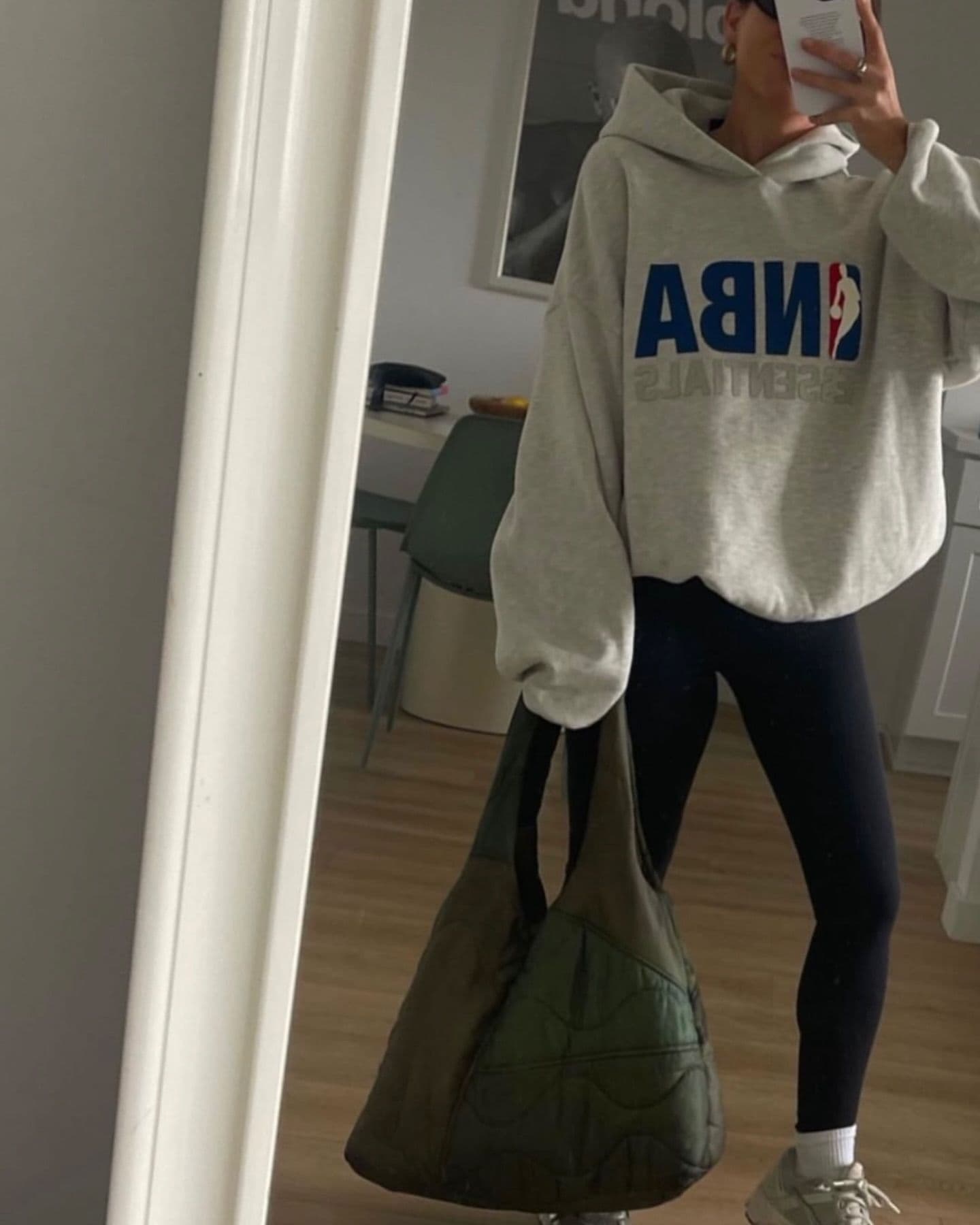
Part of this revival is practical, too. Vintage clothes offer comfort in cotton and loose silhouettes that feel different from the compression and synthetics dominating modern activewear. For many, it’s not just style but a tactile departure from the relentless march of performance fabrics.
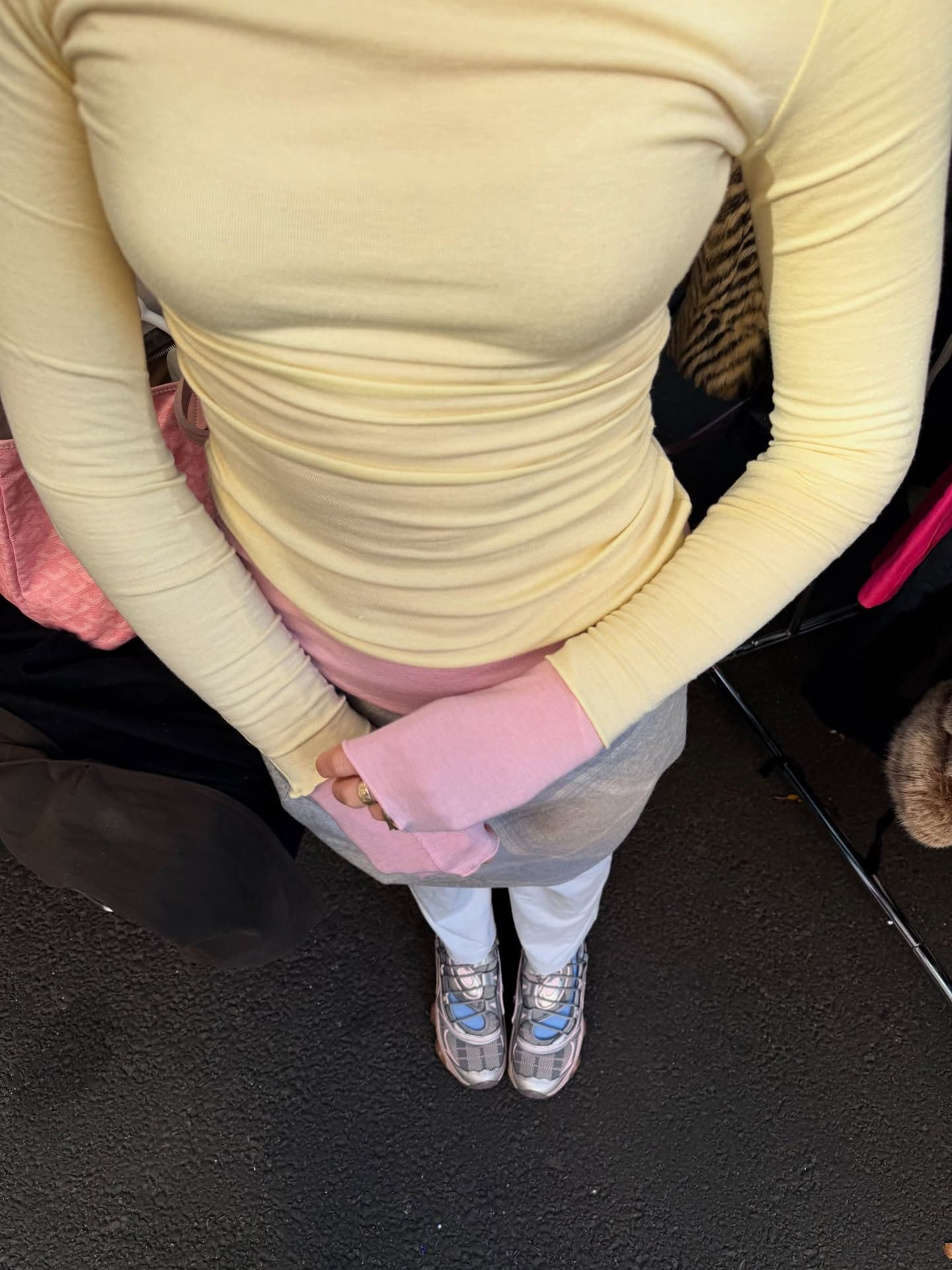
It also dovetails with the larger cultural embrace of second-hand clothing. As resale platforms grow and Gen Z prioritizes sustainability, the gym—which once prized only function—is fast becoming another space where personal ethics and aesthetics intersect. Nearly 40 % of younger shoppers now consider resale first, and that mindset naturally extends into athletic wardrobes.
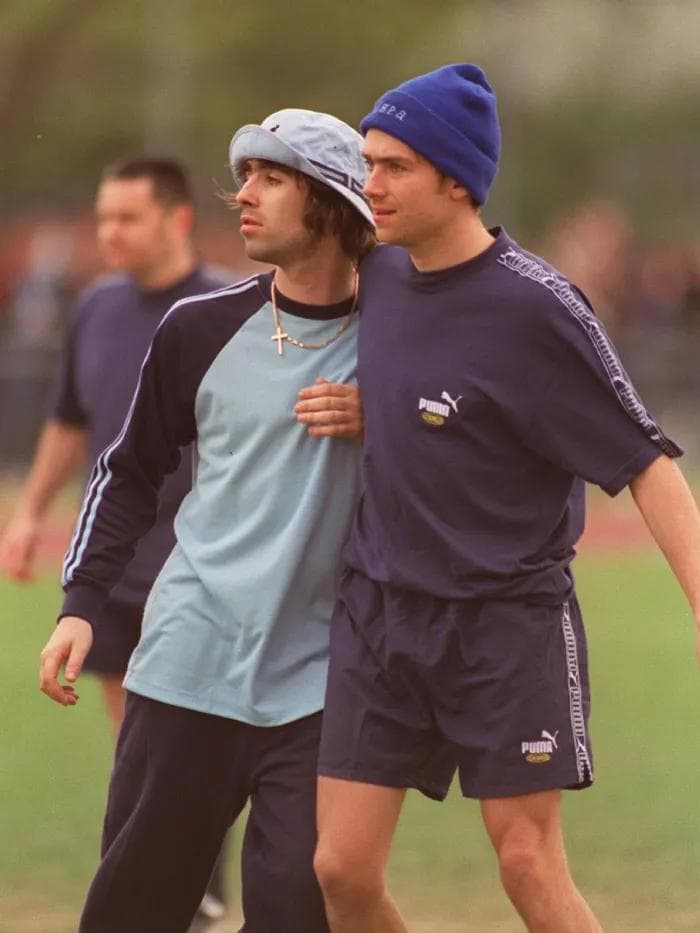
Retro Is Modern Too
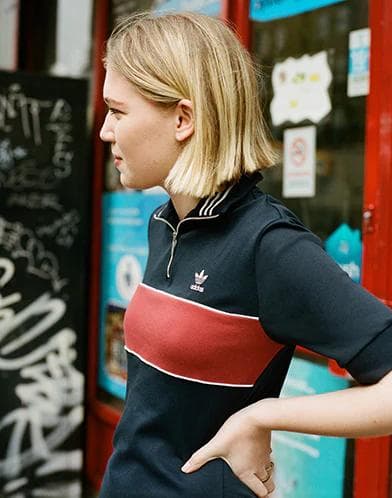
This renaissance hasn’t gone unnoticed by mainstream fashion. Retro silhouettes from the ’80s and ’90s—think high-waist cuts, color-block prints, windbreaker vibes—are appearing on runways and in brand collections that update those classics with contemporary fabrics. Even Alo Yoga’s own blog celebrates the return of bold vintage aesthetics in its retro-inspired activewear pieces.
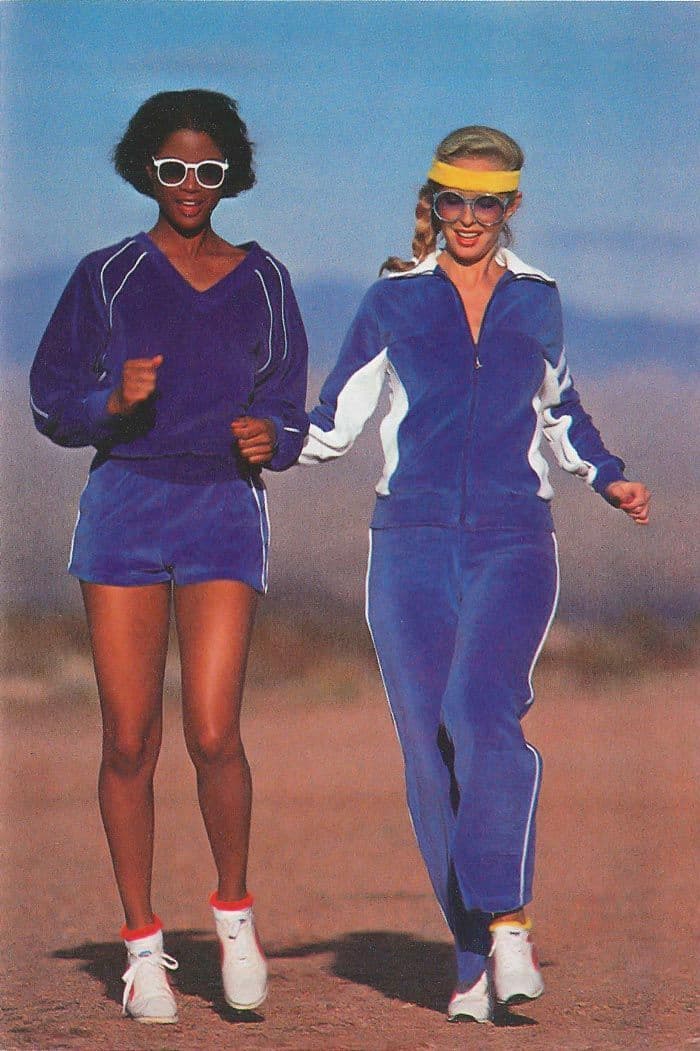
The result is a fusion: vintage pieces from decades past layered with fun modern drops, or new designs built to feel nostalgic. It signals a broader shift: fitness wear is no longer just gear—it’s personal style. Gym outfits are increasingly curated to reflect identity and history, not just performance metrics.
More Than a Trend
This isn’t a fleeting moment of “peak Y2K” nostalgia. It’s a cultural recalibration: a recognition that what we wear when we work can also be what we feel. The gym becomes a stage for authenticity rather than conformity. As fashion historian voices and influencers alike suggest, this is just the beginning of a deeper conversation about individuality, sustainability, and what it means to dress for movement in 2026 and beyond.