The Anatomy of an Athleisure Hype Brand (2026)
Lauren Santos · January 7, 2026

The athleisure story isn’t a fad anymore — it’s the default wardrobe. Pants designed for workouts are now worn to brunch, board meetings, airports, and evenings out. The category that blurred the lines between “performance” and “real life” has matured into a cultural mainstay — but with new pressures, new winners, and a very different competitive landscape than in 2023.
Today, the global athleisure market surpassed an estimated $425 billion in 2025 and is forecast to nearly double by the early 2030s as consumers demand clothes that feel effortless but intentional.
THE BIG PICTURE
Athleisure isn’t a trend. It’s infrastructure.
- $425B+ global market (2025)
- On track to approach $1T by early 2030s
- Now worn for work, travel, leisure, training, and downtime
- Performance is expected — identity is the differentiator
TLDR: Comfort is table stakes. Culture is currency.
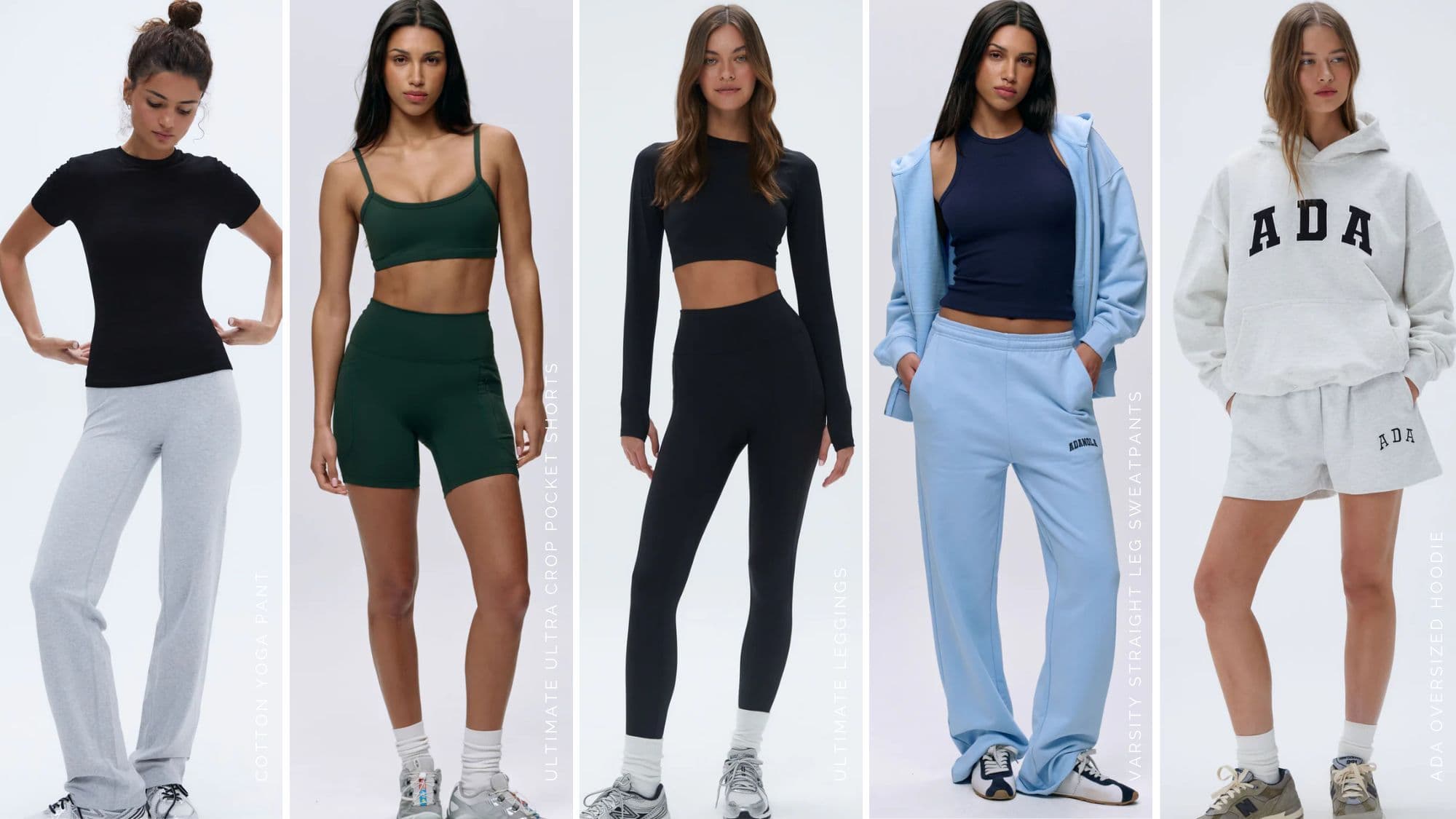
From Sweatwear to Everyday Wear
Athleisure began as an answer to a simple observation: people wanted clothes that were comfortable, versatile, and stylish. Early visionary brands like Lululemon sensed that demand before most of fashion did — and built an empire on it. But the real hustle started when startups adopted that insight and supercharged it with community, content, and culture.
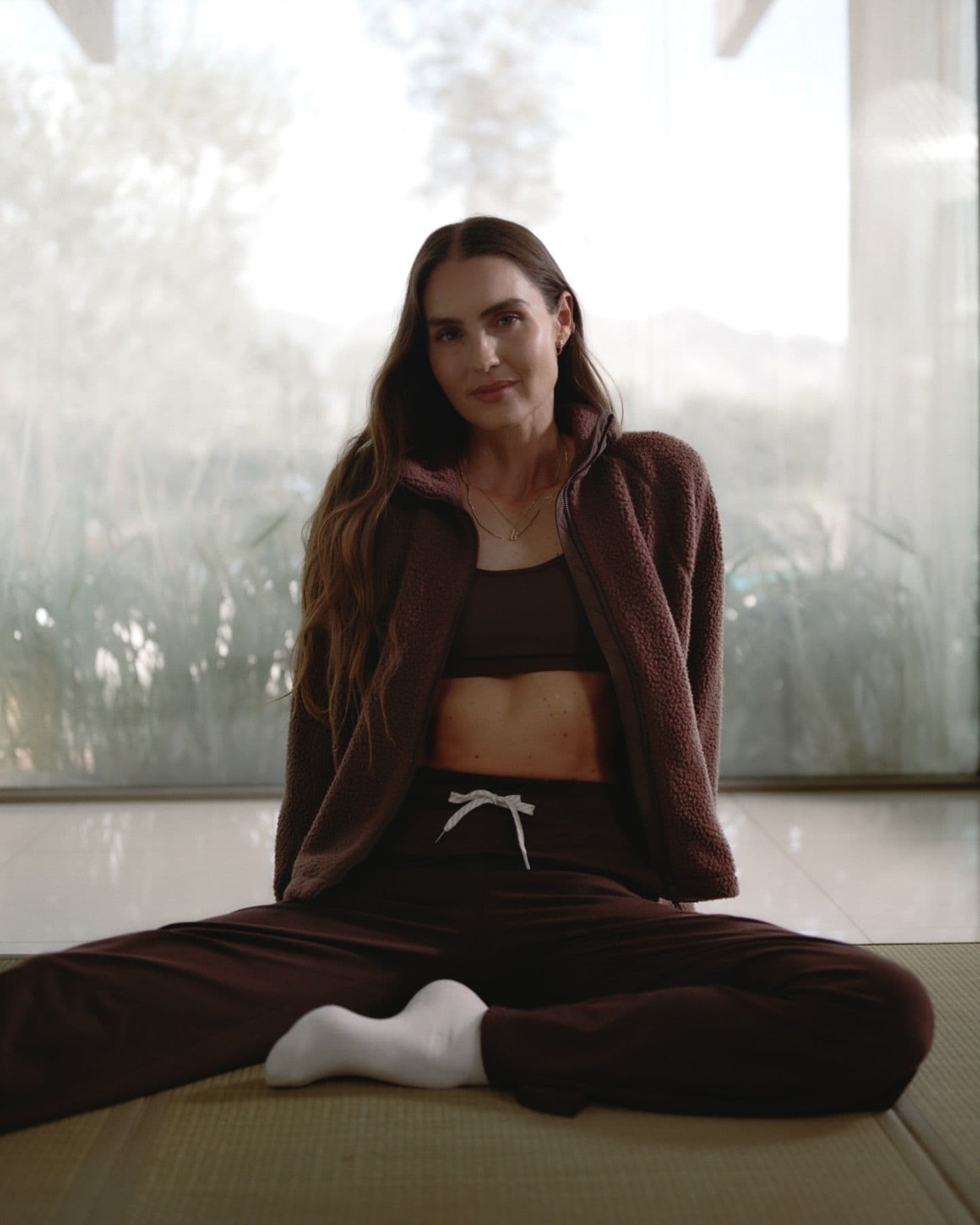
Take Vuori.
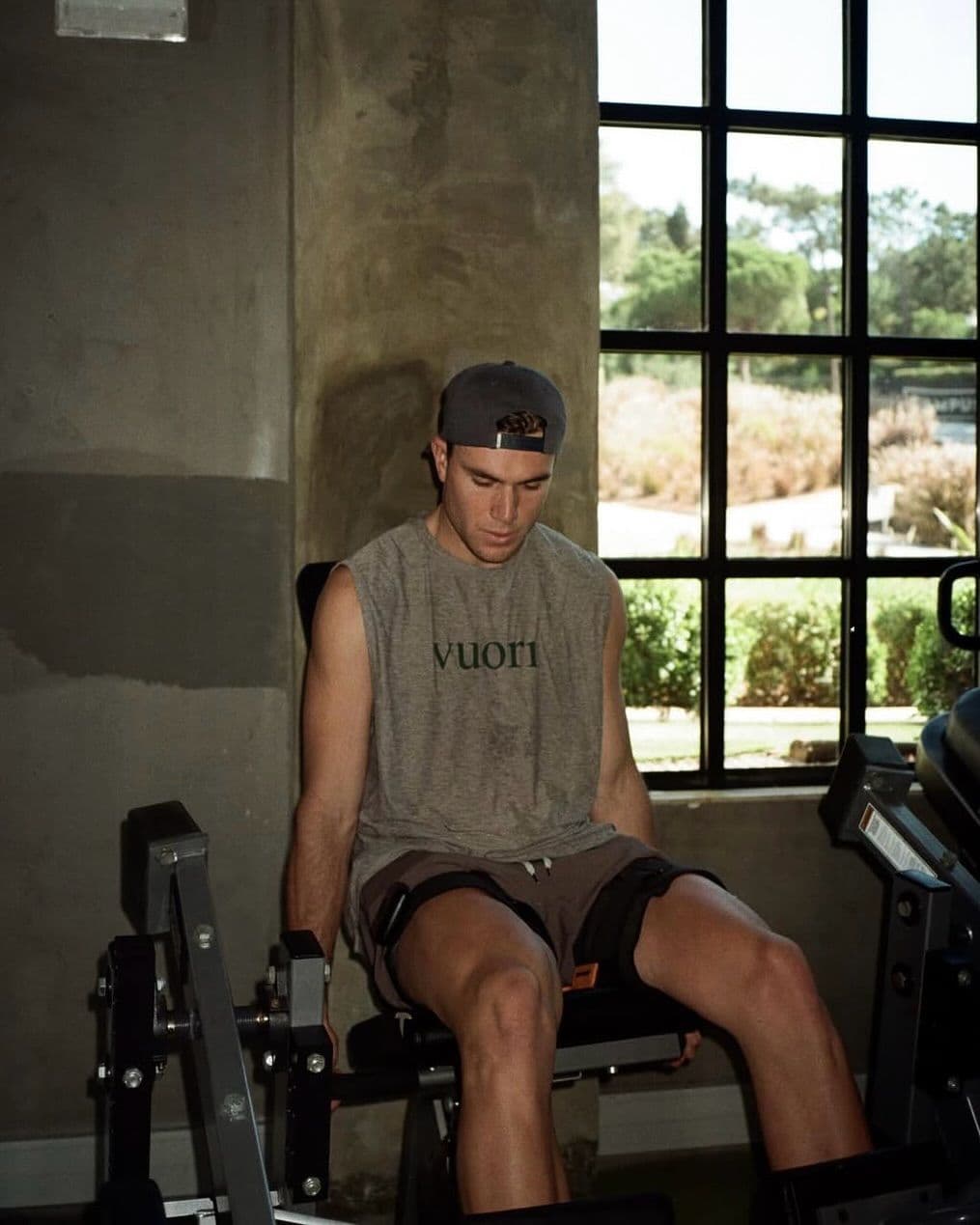
Founder Joe Kudla launched Vuori in 2015 after years in menswear and tech — identifying an underserved sweet spot: clothes that worked for workouts and the everyday Pacific Coast lifestyle. The strategy? Build true utility first, then culture. Vuori’s fabrics are performance-validated; its branding feels like an aspirational West Coast life. Today, the brand remains a household name in premium athleisure — even as category valuations have shifted.
But Vuori isn’t the whole story.
The New Hype Players
What counts as a “hype brand” has evolved from “expensive leggings” to exclusive drops, storytelling, and cultish fanbases that stretch far beyond the product.
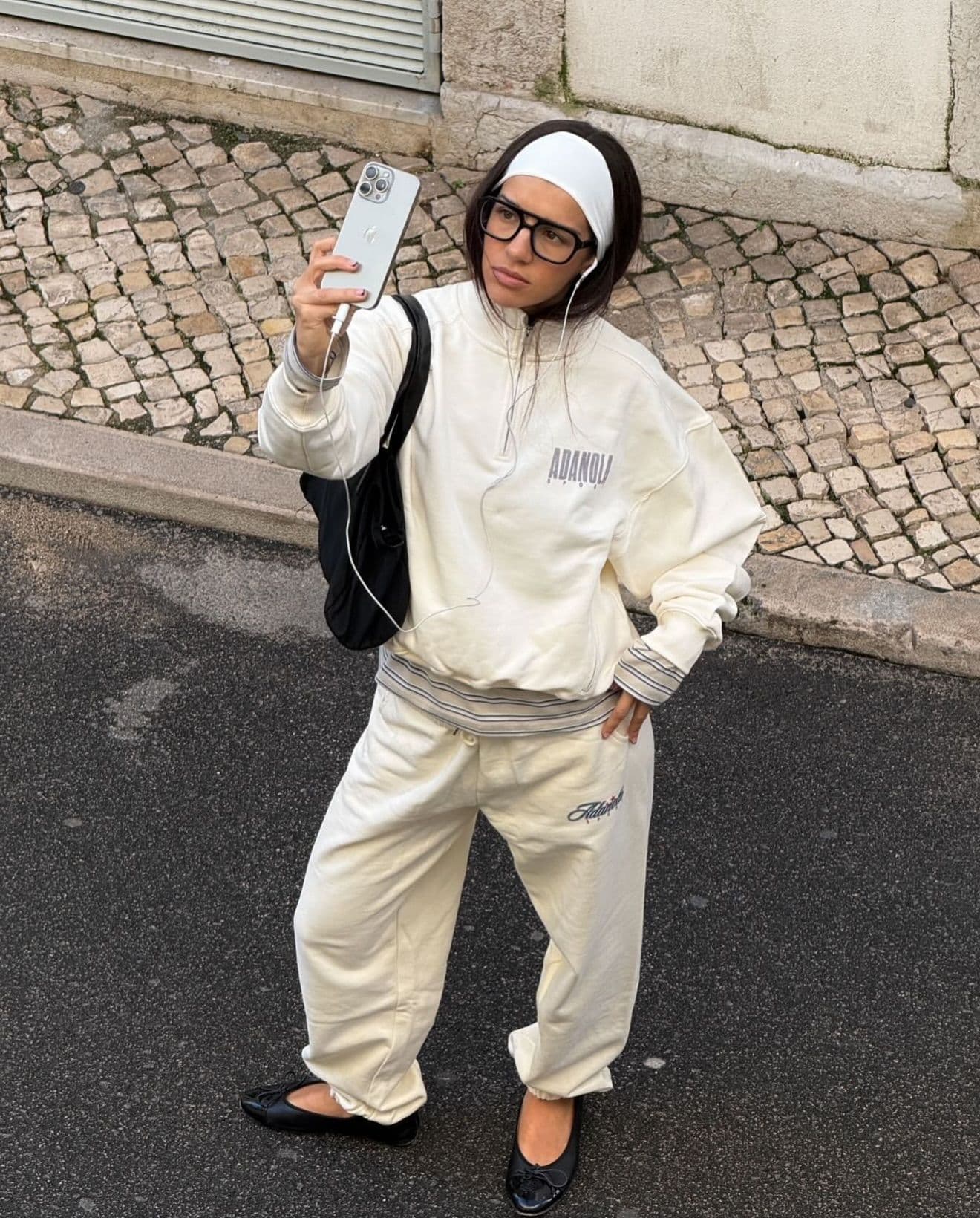
Adanola
Once known primarily for one viral pair of leggings, the UK brand has grown into a TikTok-driven phenom, tripling revenue year over year and entering mainstream fashion retail spaces like Selfridges and Harrods. In 2024, Adanola appointed a former Gymshark CCO as CEO to scale internationally — a clear sign that investors now view athleisure brand engines as strategic assets, not side gigs.
Halara
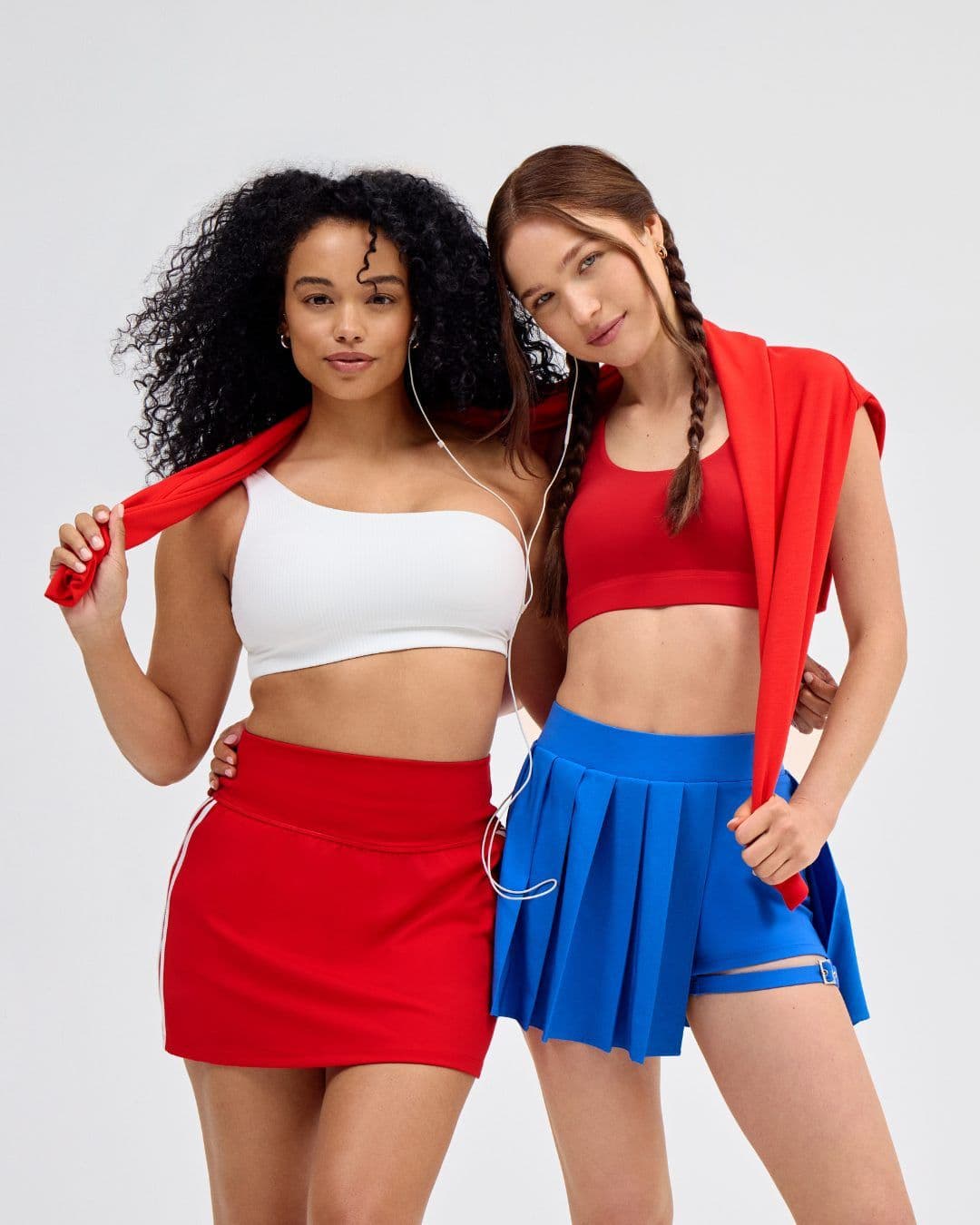
A relative newcomer out of Hong Kong, Halara has leveraged TikTok virality and direct-to-consumer speed to compete in sheer volume — particularly among Gen Z shoppers who move fast and shop faster.
Sporty & Rich
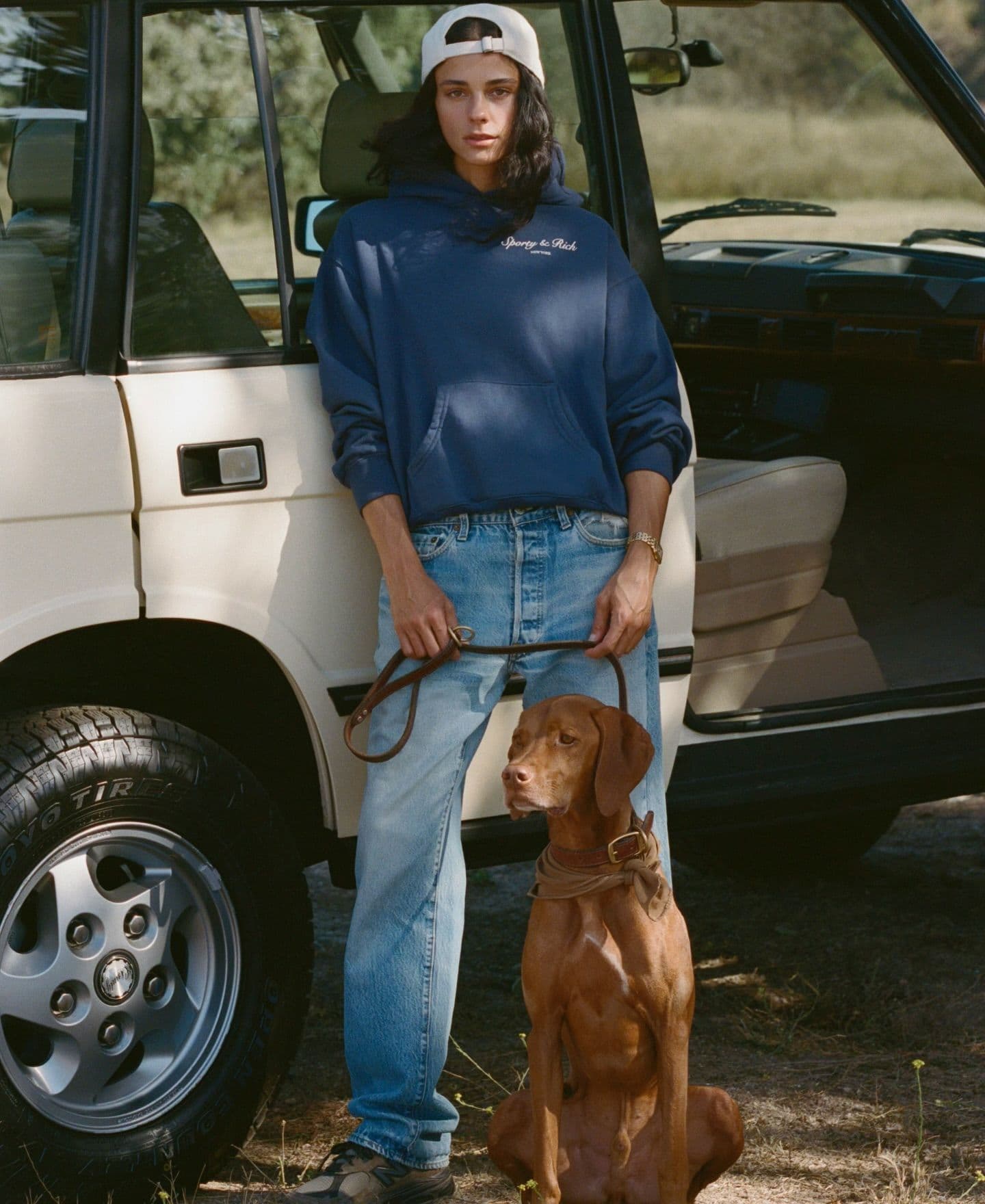
Sporty & Rich blends vintage fitness culture, editorial storytelling, and understated design to reframe wellness as lifestyle. More mood than workout gear, it treats sport as self-care, nostalgia, and everyday ritual. Wellness as nostalgia. Sporty & Rich sells feelings, not outfits — wellness as memory, not metrics. Editorial-led brand DNA (zines, tone, type). Exercise framed as self-care, not self-optimization/ Retro health club energy.
Literary Sport
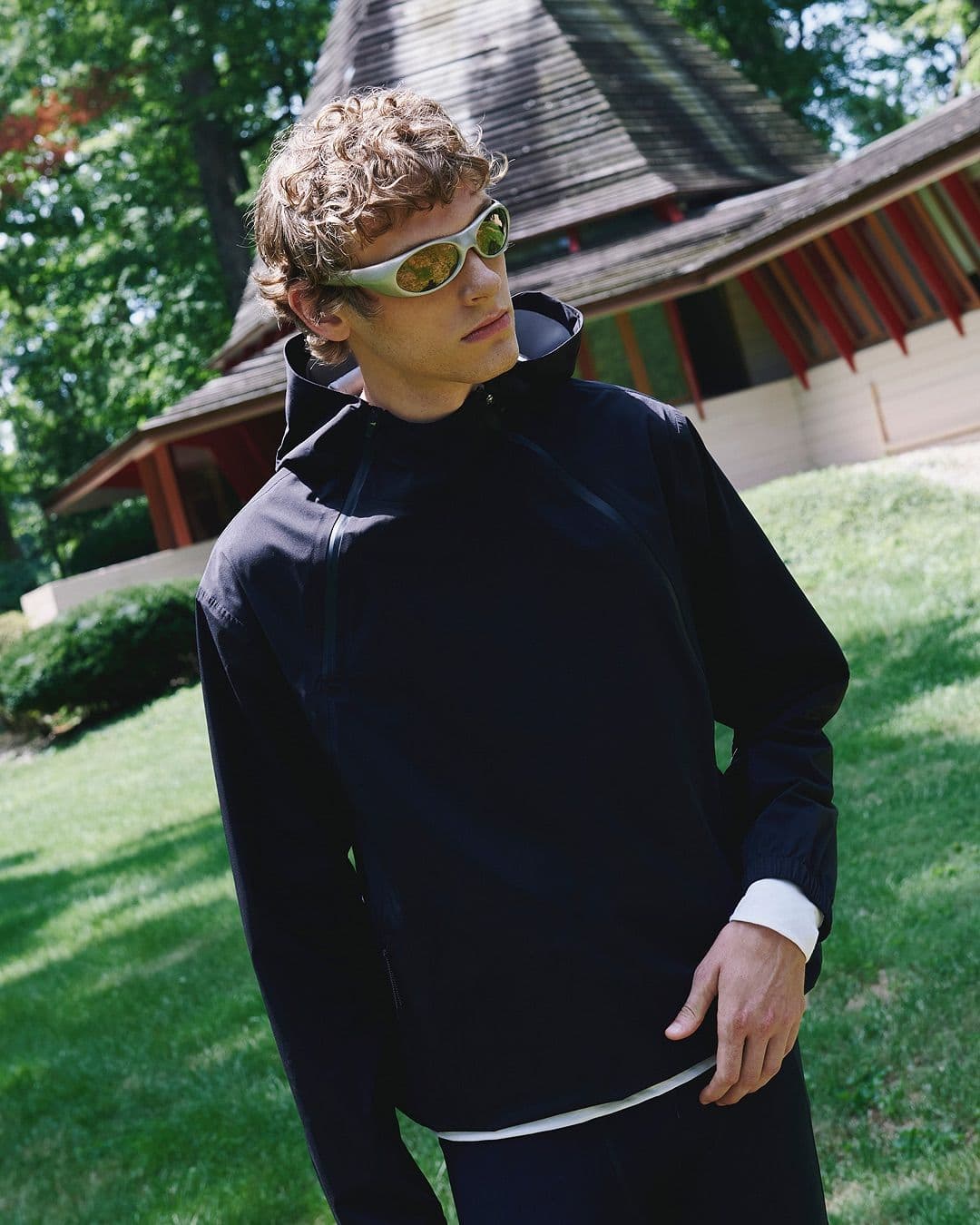
Literary Sport is a culture-driven label blending sport, literature, and design. Through restrained silhouettes and intellectual references, it treats movement as reflection—athletic wear shaped by ideas, not intensity. Literary Sport speaks to athletes who read — and readers who move. Apparel influenced by books, essays, and ideas. Minimalist, intellectual framing. Blurs sport, literature, and design.
7Days Active
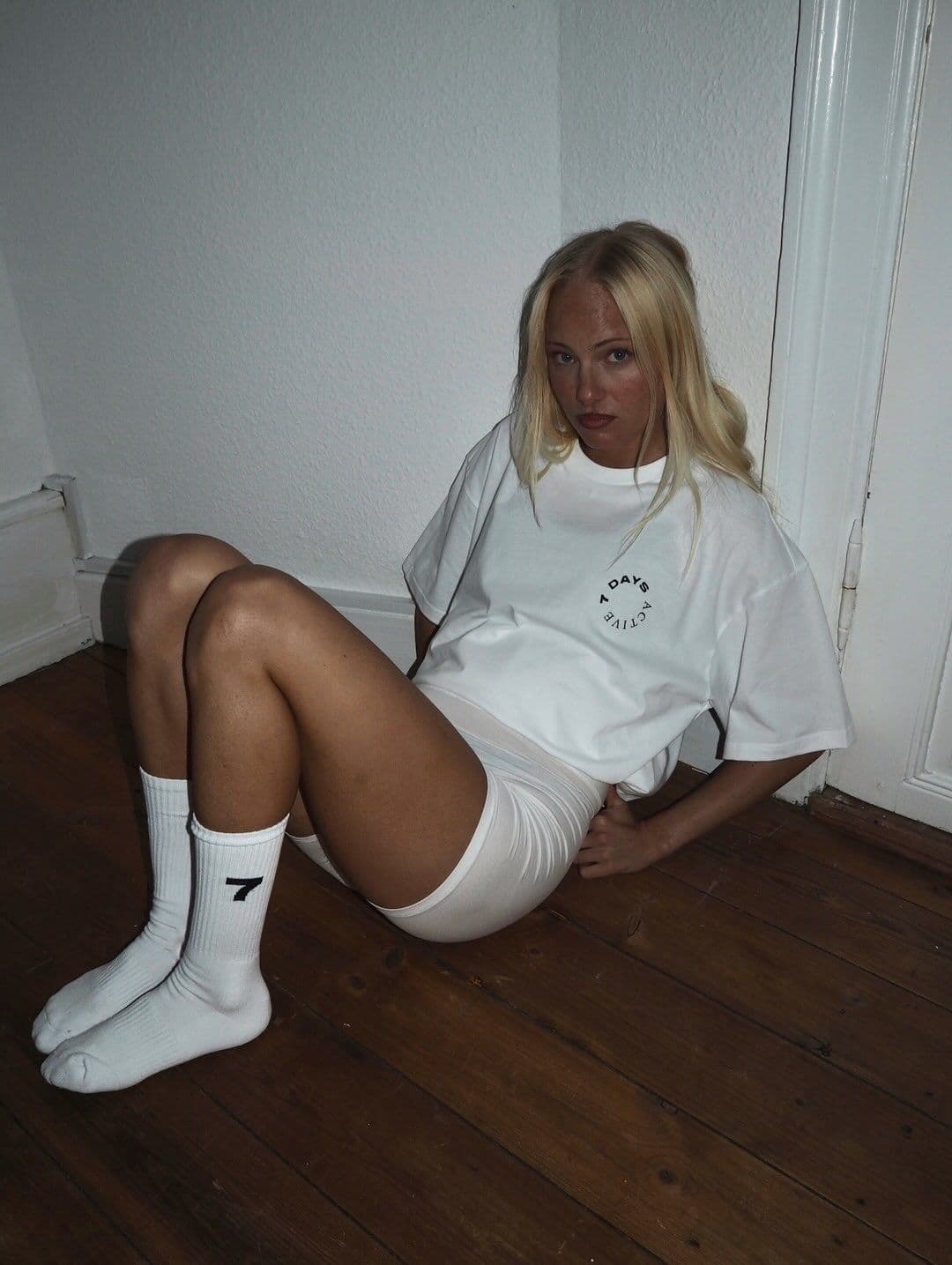
7Days Active is a Copenhagen-based label redefining activewear through fashion and freedom. Blending performance with everyday style, it celebrates movement without rules—studio, street, or rest—designed to be worn seven days a week.
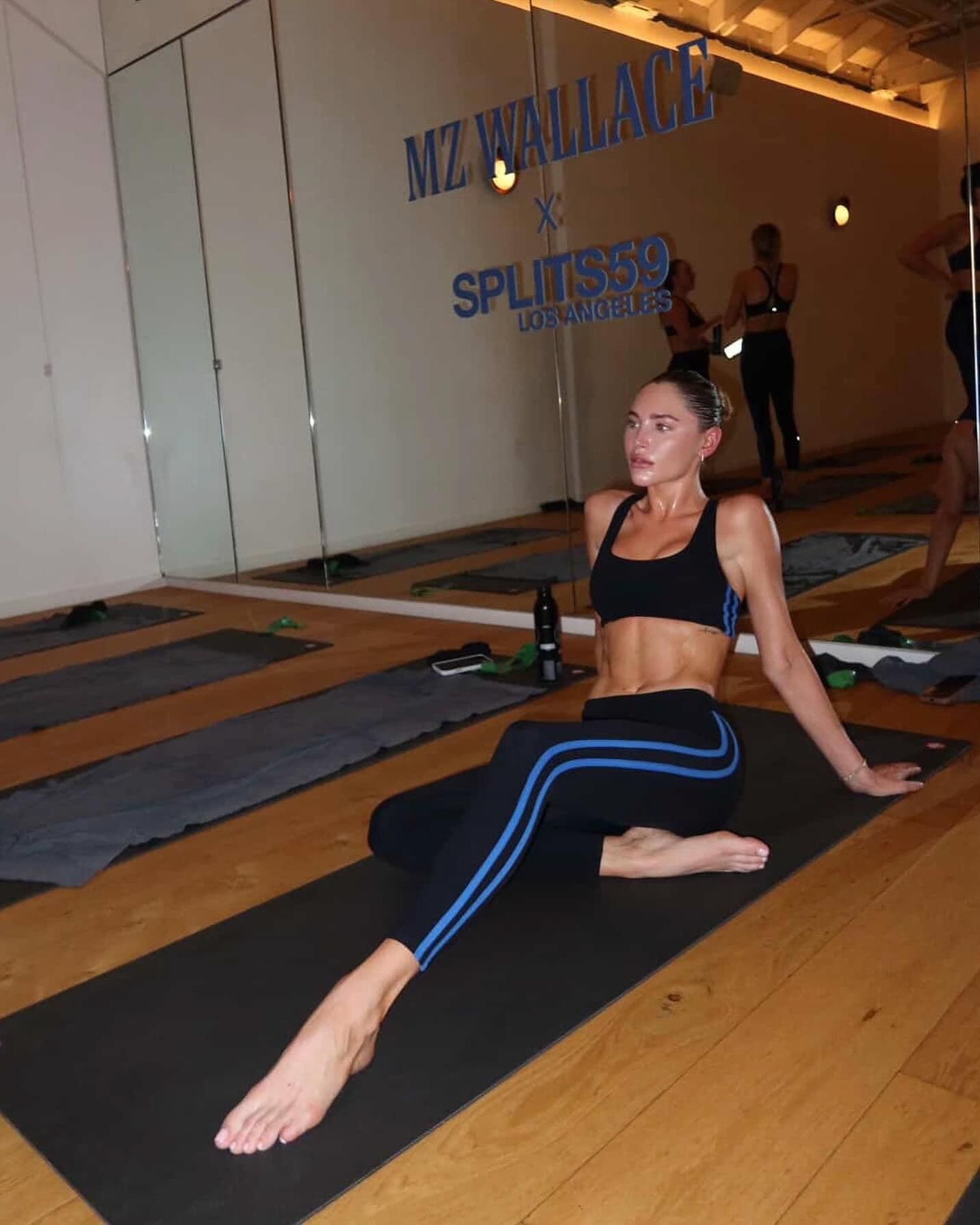
Splits59
Splits59 is a Los Angeles–based activewear label blending performance roots with fashion-forward design. Known for bold color, directional silhouettes, and studio-to-street ease, it channels retro sport energy with modern versatility.
Splits59 has recently opened a seasonal retail location at 12 Crosby Street in New York City — a curated pop-up boutique and movement space running through early 2026.
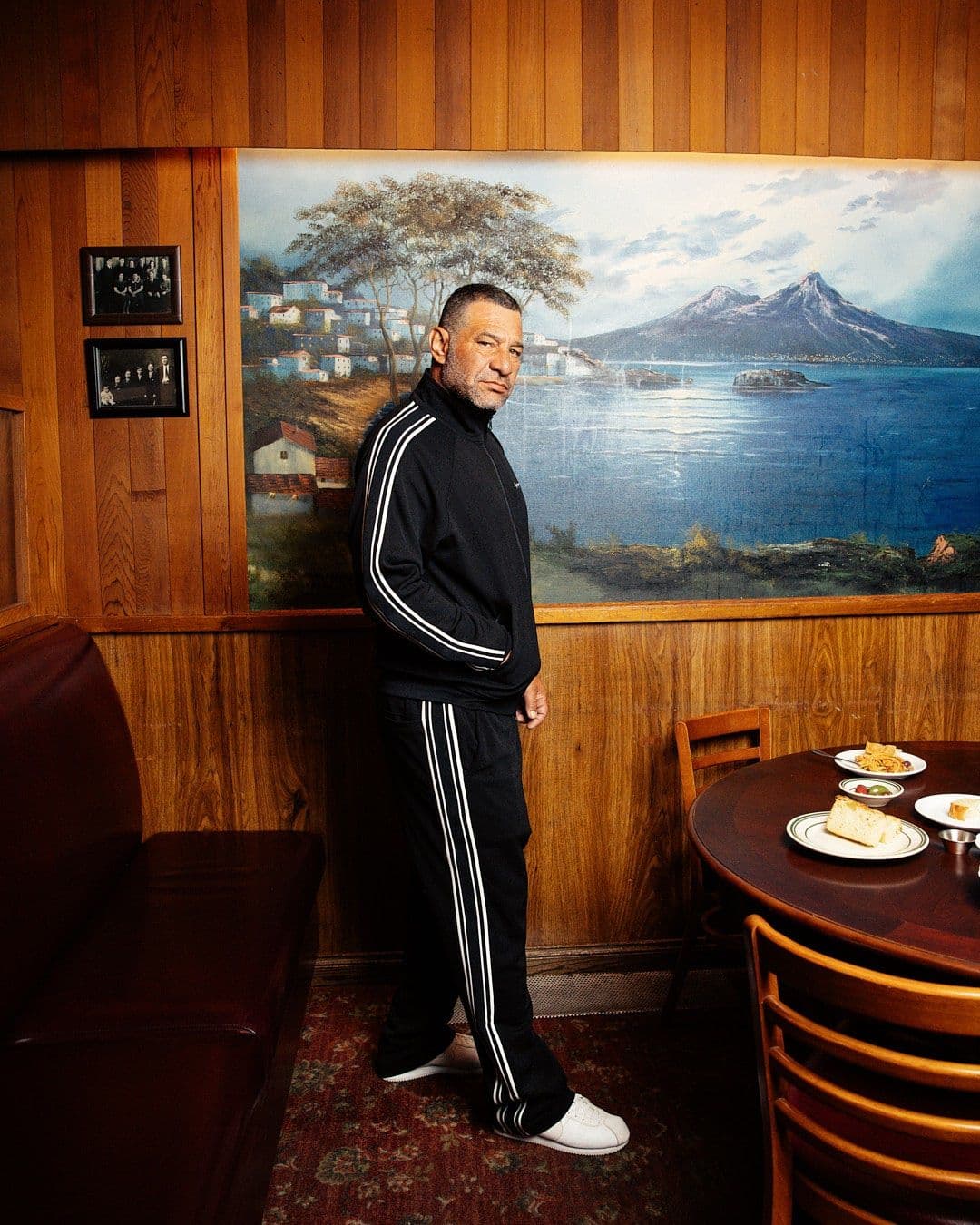
Reigning Champ & Boutique Labels
Meanwhile, brands like Reigning Champ illustrate that there’s room for athleisure with heritage appeal — subtle luxury knitwear with comfort DNA — while Taiwanese brands like Verve show that regional players are building loyal communities with performance textiles first strategies.
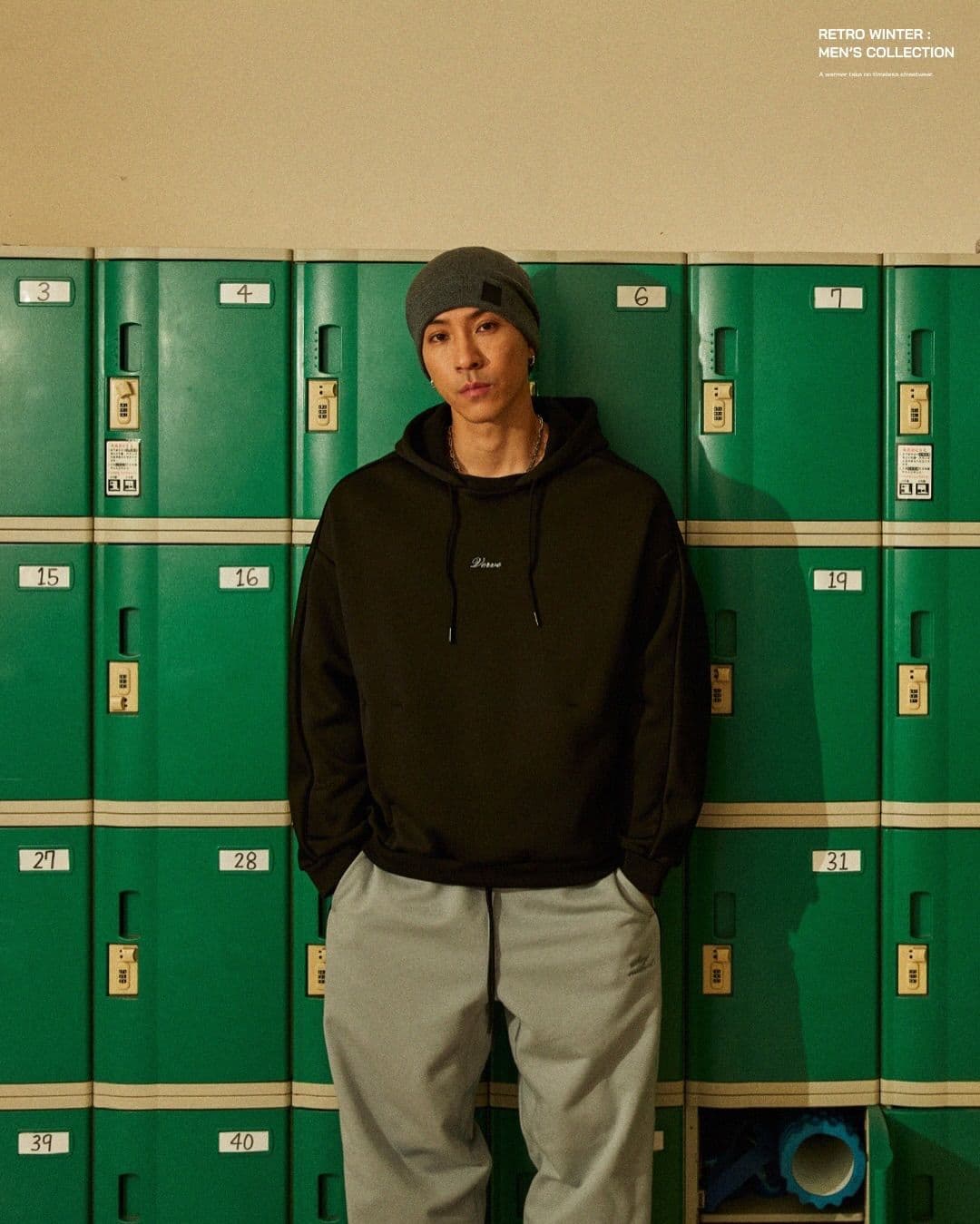
WHAT THESE BRANDS SHARE
1. Editorial POV
- Clear narrative voice
- Thoughtful cadence
- Content feels authored, not optimized
2. Lifestyle Before Training
- Movement as identity
- Exercise as expression
- Clothes that support routine, not peak moments
3. Selective Scarcity
- Tight product edits
- Fewer SKUs, more meaning
- Seasonal rhythm over constant drops
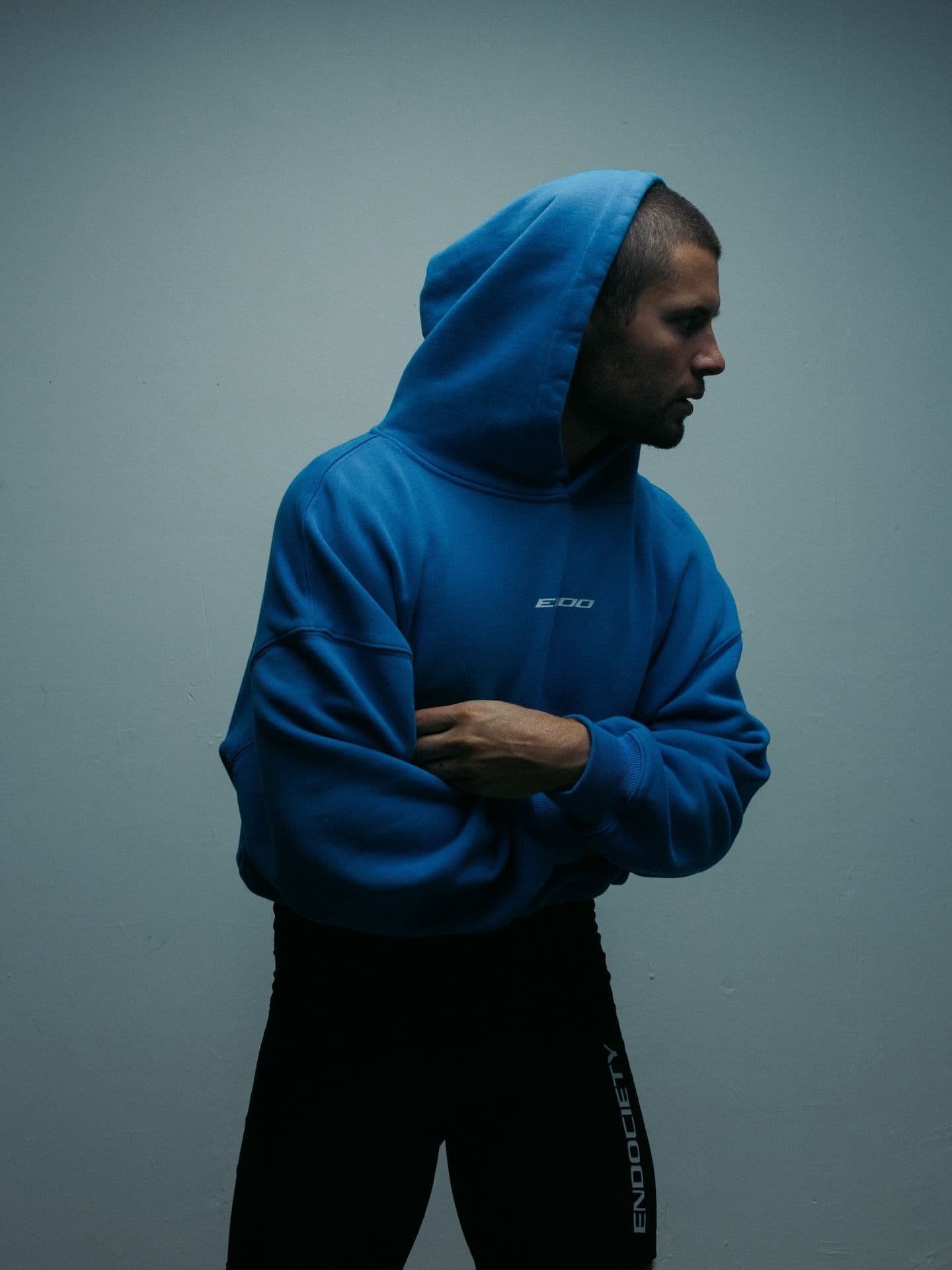
THE NEW UNIFORM
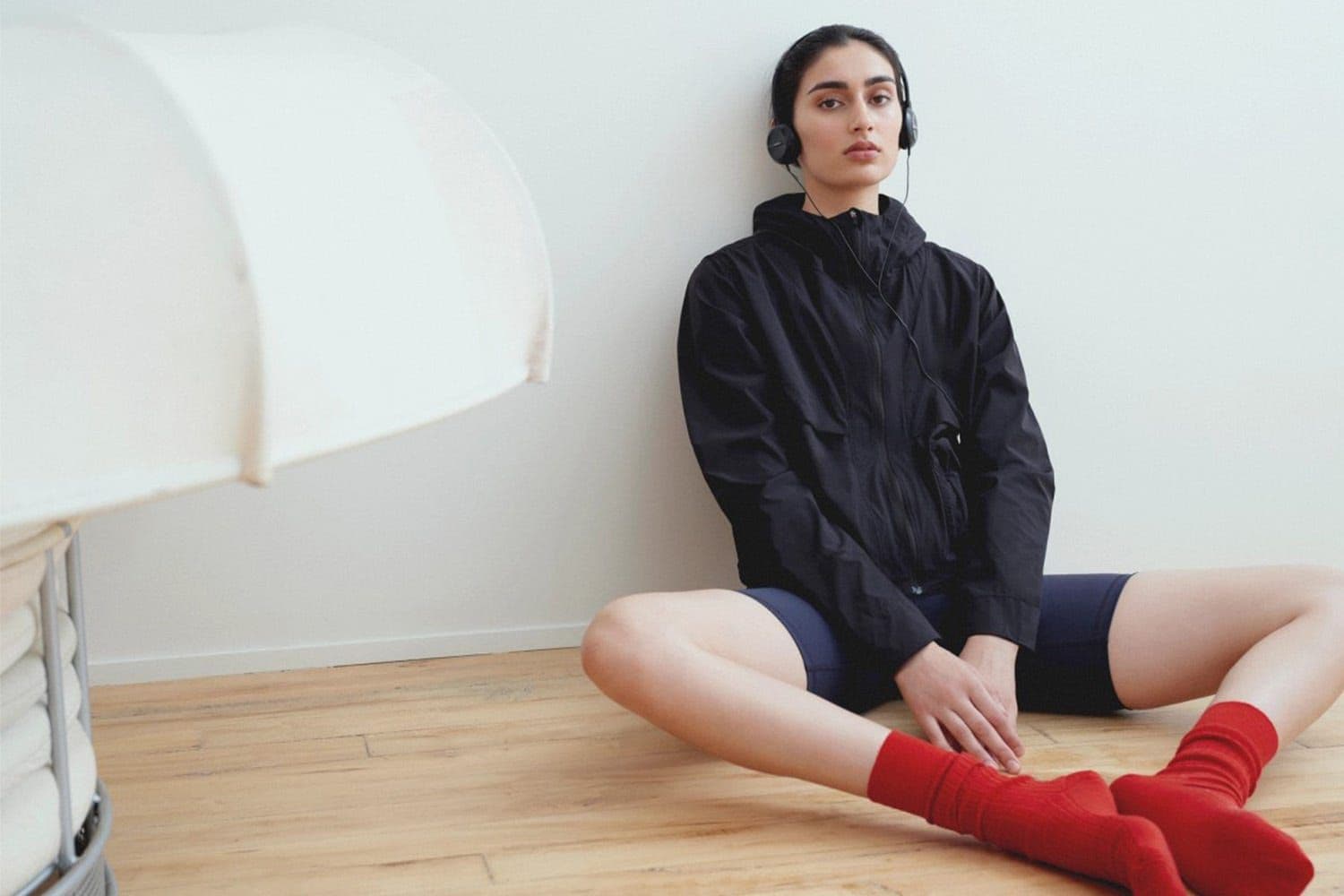
- Relaxed technical layers
- Shorts that read casual, perform seriously
- Fabrics that disappear on-body
- Logos that whisper — or don’t exist
Keyword: Intentional ease
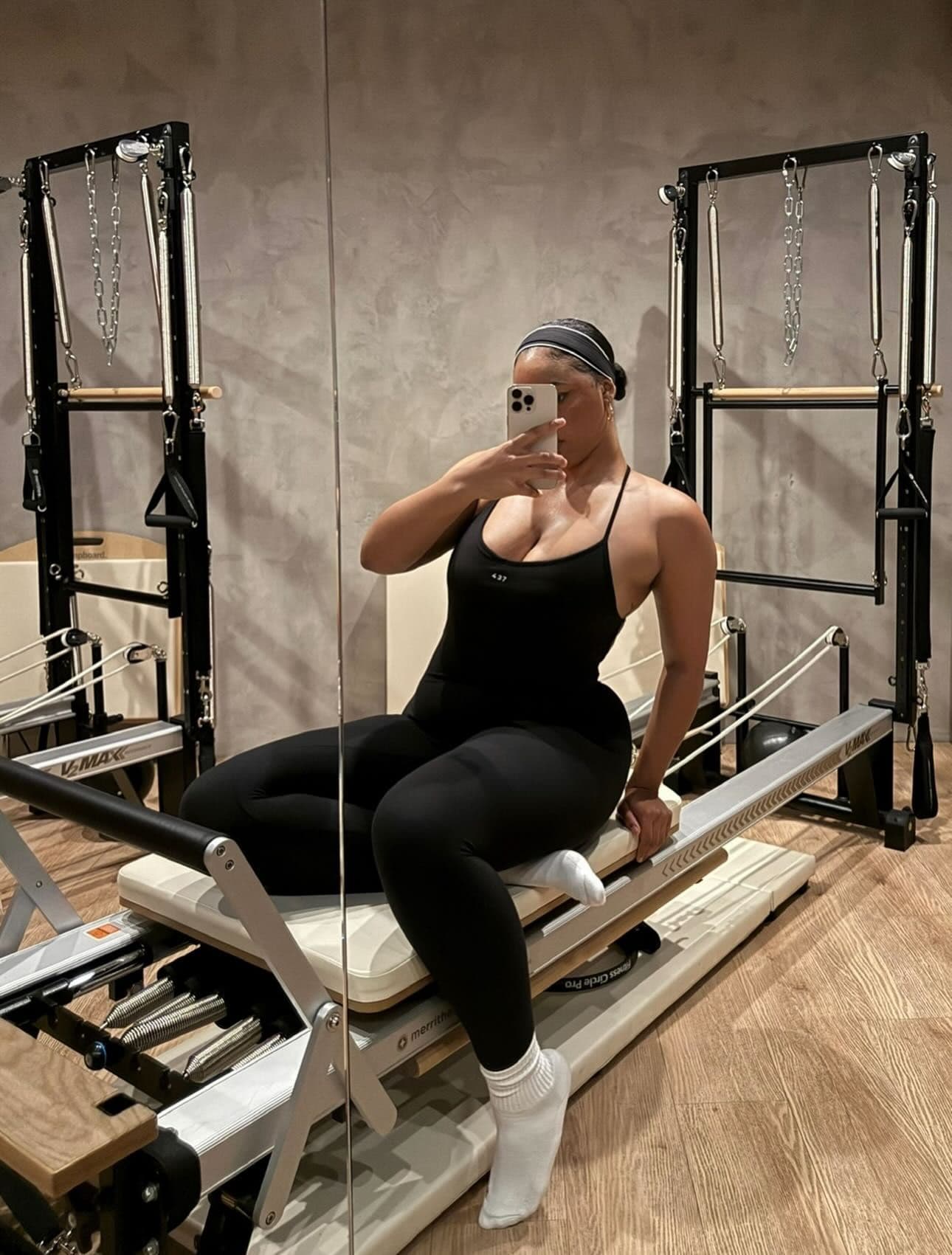
What Separates the Hype from the Ordinary?
There are three elements that most “hype” athleisure brands share:
Community First
Whether via TikTok challenges, micro-influencers, or in-person events, these brands build tribes before they sell trousers.
Cultural Cred
From curated visuals to symbolic launches (think limited runs, collabs, or seasonal drops), the product is only part of the allure.
Strategic Growth Paths
Funding, leadership hires, and global expansion signals that athleisure is now serious business. It’s not lifestyle wear — it’s category leadership.
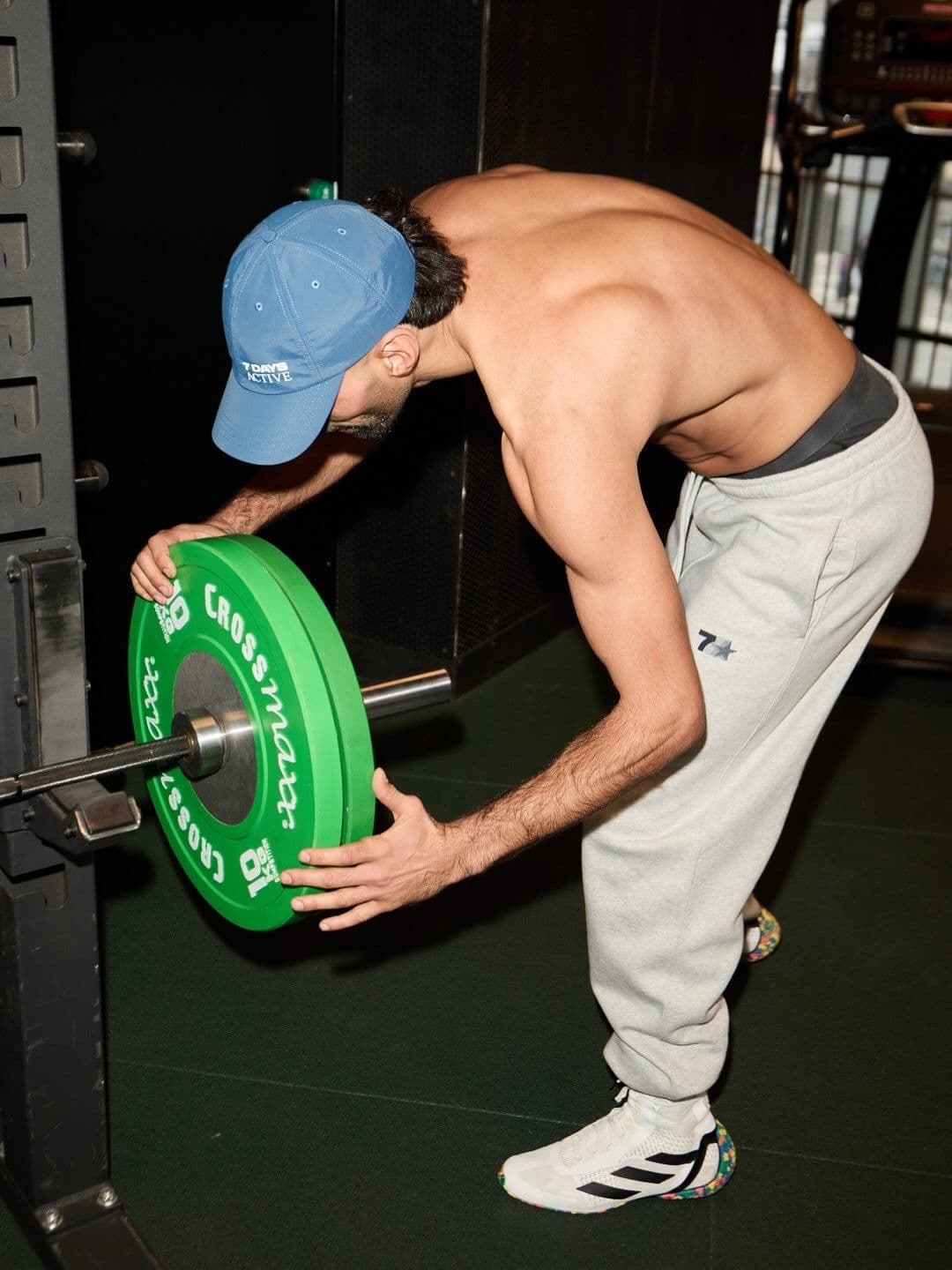
The Bigger Picture: A Market Still Growing
While a few years ago athleisure was defined by loungewear and yogawear dominance, the category today is broader and richer:
- Market size climbed to roughly $425B in 2025 with annual growth near double digits.
- Forecasts suggest a continued boom toward nearly $1T by 2034 as comfort and performance become baseline expectations across demographics.
- Consumer habits confirm that athleisure isn’t just “activewear” — it’s everyday style wear, with passive daily usage now commonplace.
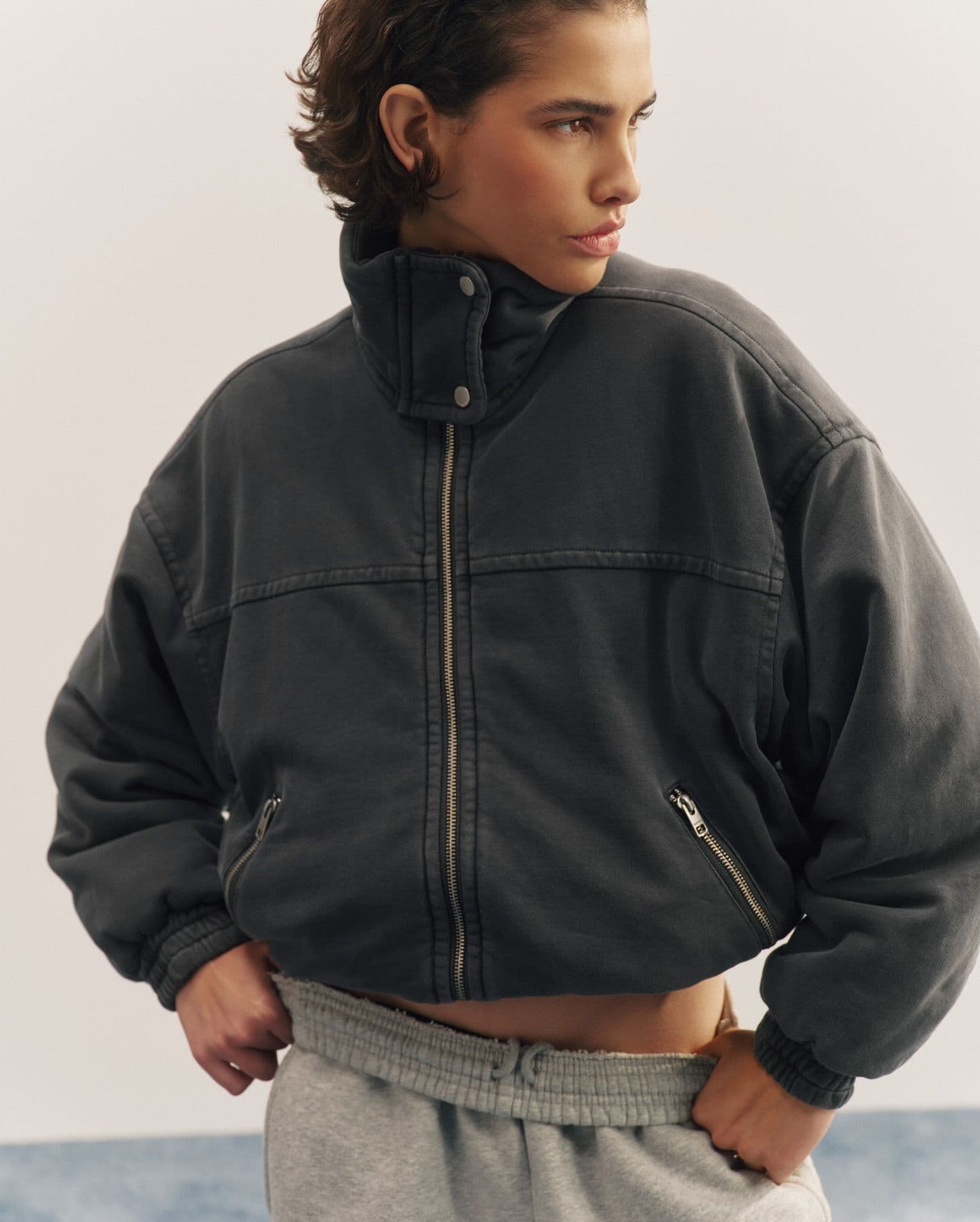
Trends Shaping the Next Wave
The hype isn’t static. The style codes that powered athleisure in the late 2010s — tight leggings and matching sets — are adapting:
- Baggy silhouettes and relaxed silhouettes are displacing classic yoga pant dominance, refashioning the visual vocabulary of comfortable clothes for Gen Z.
- Fashion houses are launching premium “cardio couture” collections, blending luxury and performance in unexpected product categories.
- High-profile collaborations — from athletes like Simone Biles with Athleta to couture crossovers — are broadening athleisure beyond conventional sportswear.
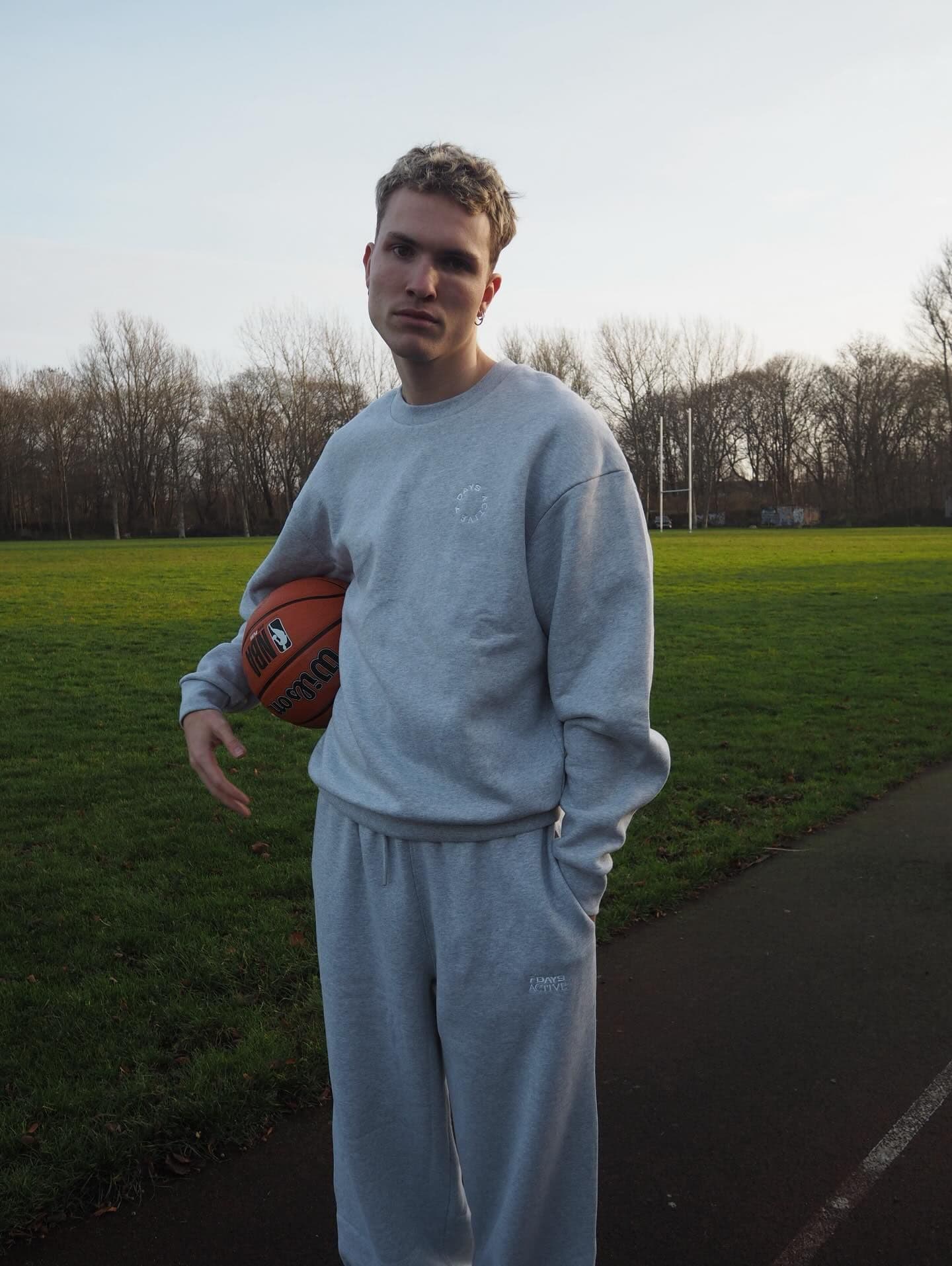
CATEGORY RESET
Athleisure’s next chapter isn’t louder — it’s smarter.
The new generation of hype brands doesn’t lead with sweat or speed. They lead with point of view.
Not:
- “Best for HIIT”
- “Fastest dry time”
But:
- What does training mean in your life?
- What does movement say about who you are?
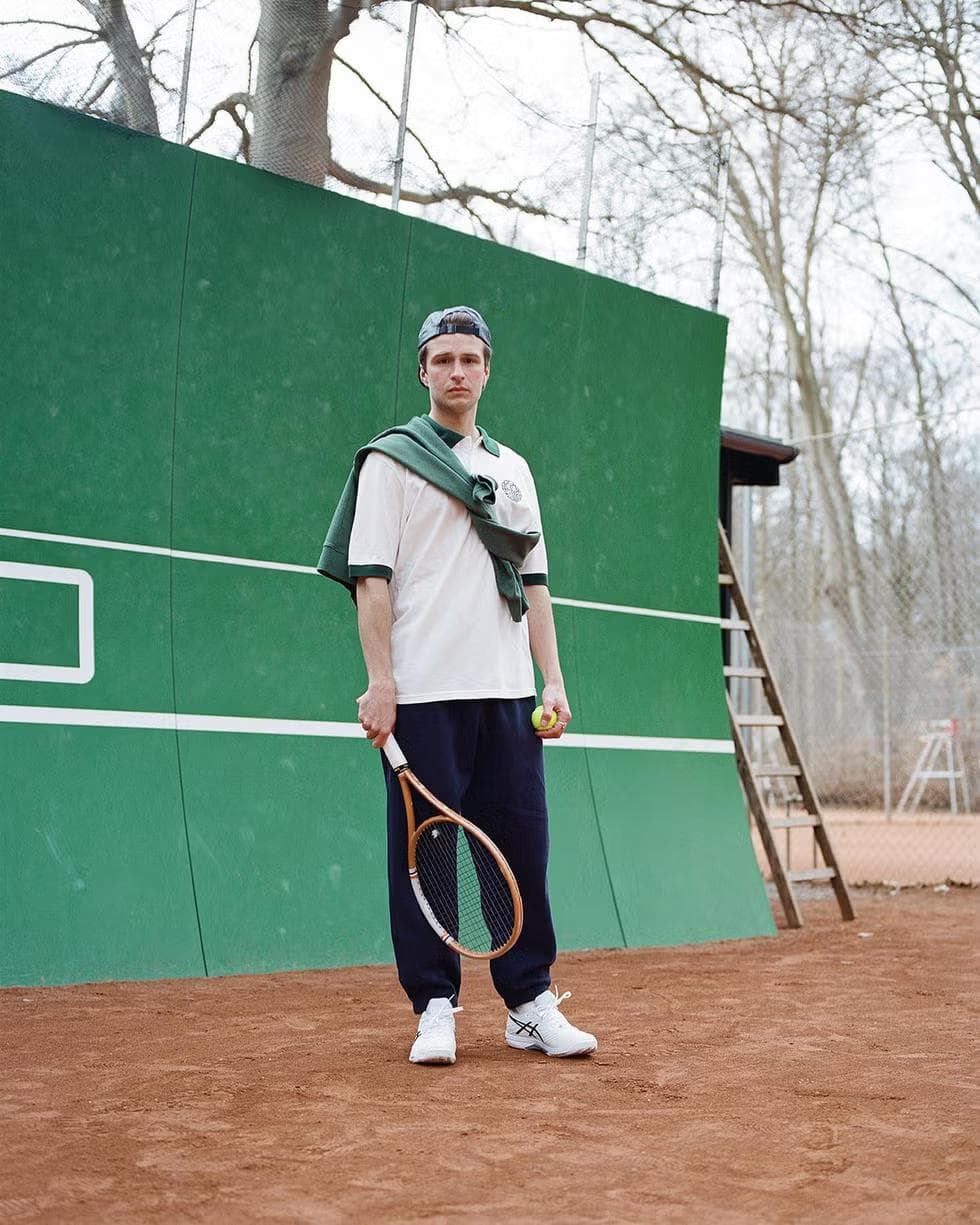
THE CORE FORMULA
1. Function First
- Technical fabrics
- Movement-ready fits
- Climate-aware layering
- Designed for daily wear, not just workouts
If it doesn’t perform, it won’t convert — no matter how good it looks.
2. Aspirational Lifestyle
- Coastal minimalism
- “Always on the move” energy
- Effortless utility over trend-chasing
- Product as extension of lifestyle
Think: morning workouts → midday errands → dinner out.
3. Community > Customers
- Micro-influencers > mega-celebrities
- Run clubs, gyms, pop-ups, IRL touchpoints
- TikTok & Instagram as discovery engines
Hype brands don’t sell clothes — they recruit members.
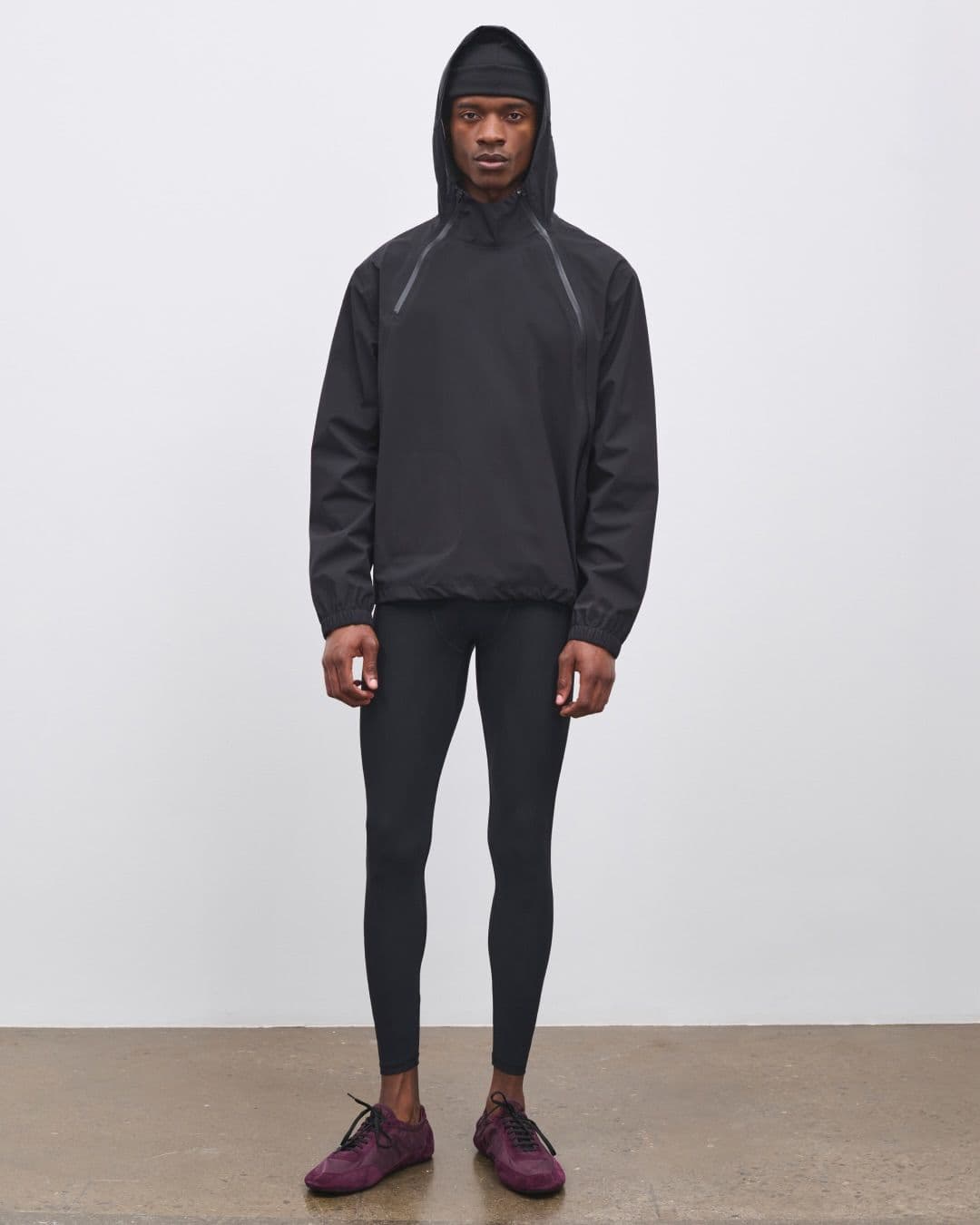
HOW HYPE IS BUILT IN 2026
Digital Momentum
- TikTok-first launches
- Creator-led storytelling
- Viral hero products
Operational Maturity
- Real leadership hires (ex–Gymshark, Nike, LVMH)
- Global distribution strategy
- Capital-efficient DTC + selective wholesale
Modular Drops
- Limited runs
- Seasonal capsules
- Controlled scarcity
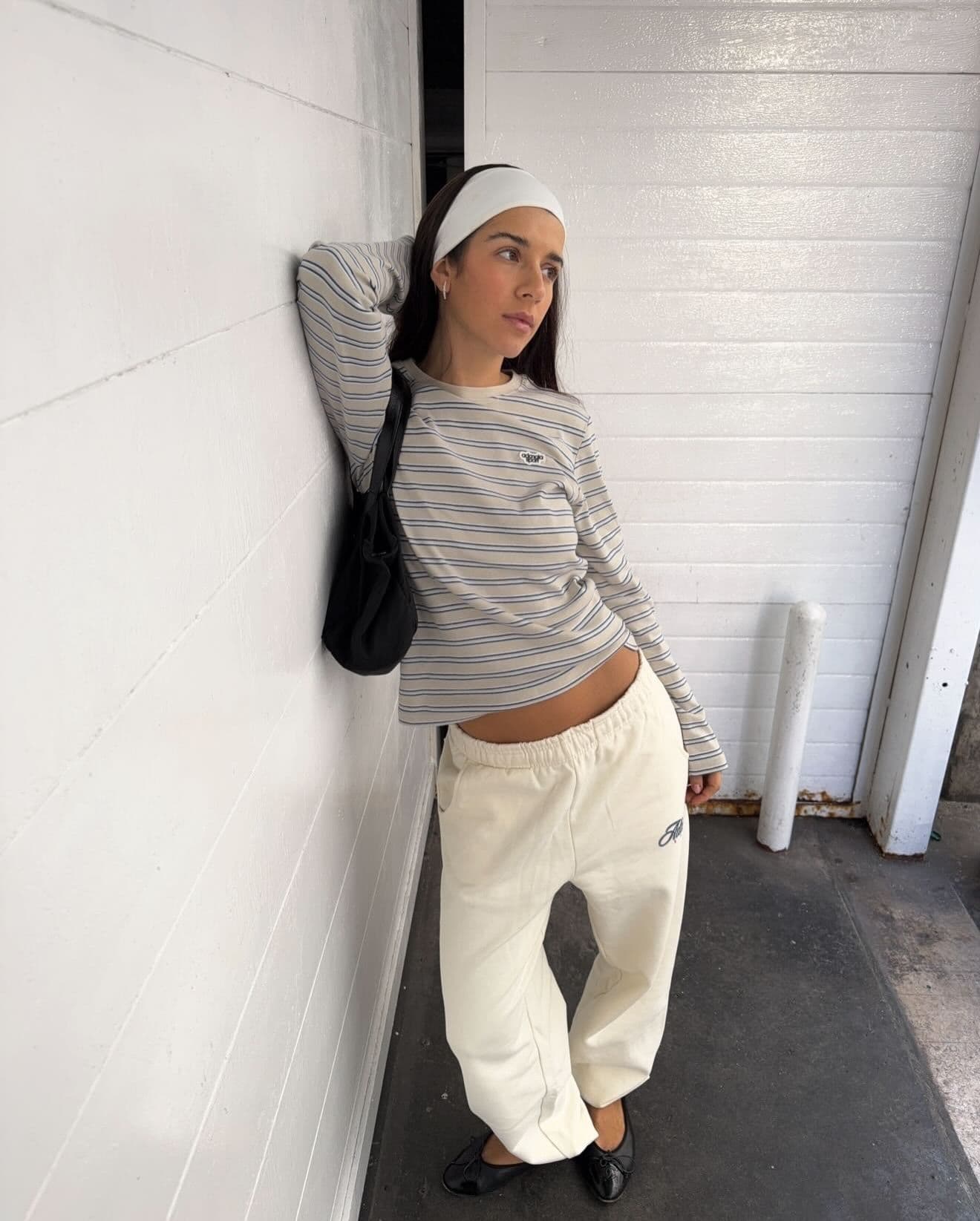
THE SHIFT
Old Model:
- Performance-first
- Athletic validation
- Scale quickly
- Loud branding
New Model:
- Culture-first
- Emotional credibility
- Build mythology
- Editorial restraint
Outcome:
Athleisure begins behaving more like media, fashion, and design.
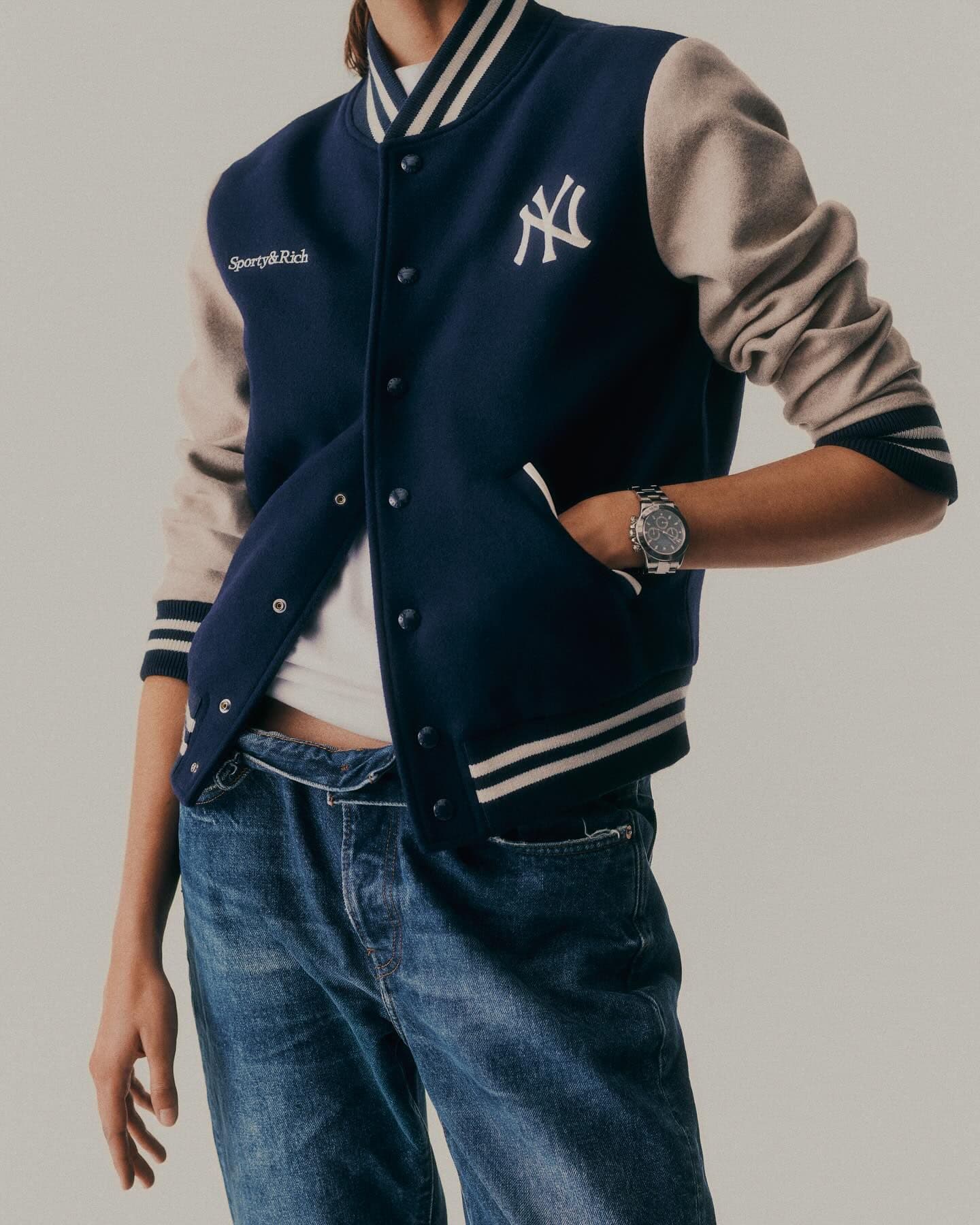
THE NEW UNIFORM
What’s replacing the old athleisure playbook:
Then:
- Tight leggings
- Matching sets
- Gym-only aesthetic
- “Fitness” branding
Now:
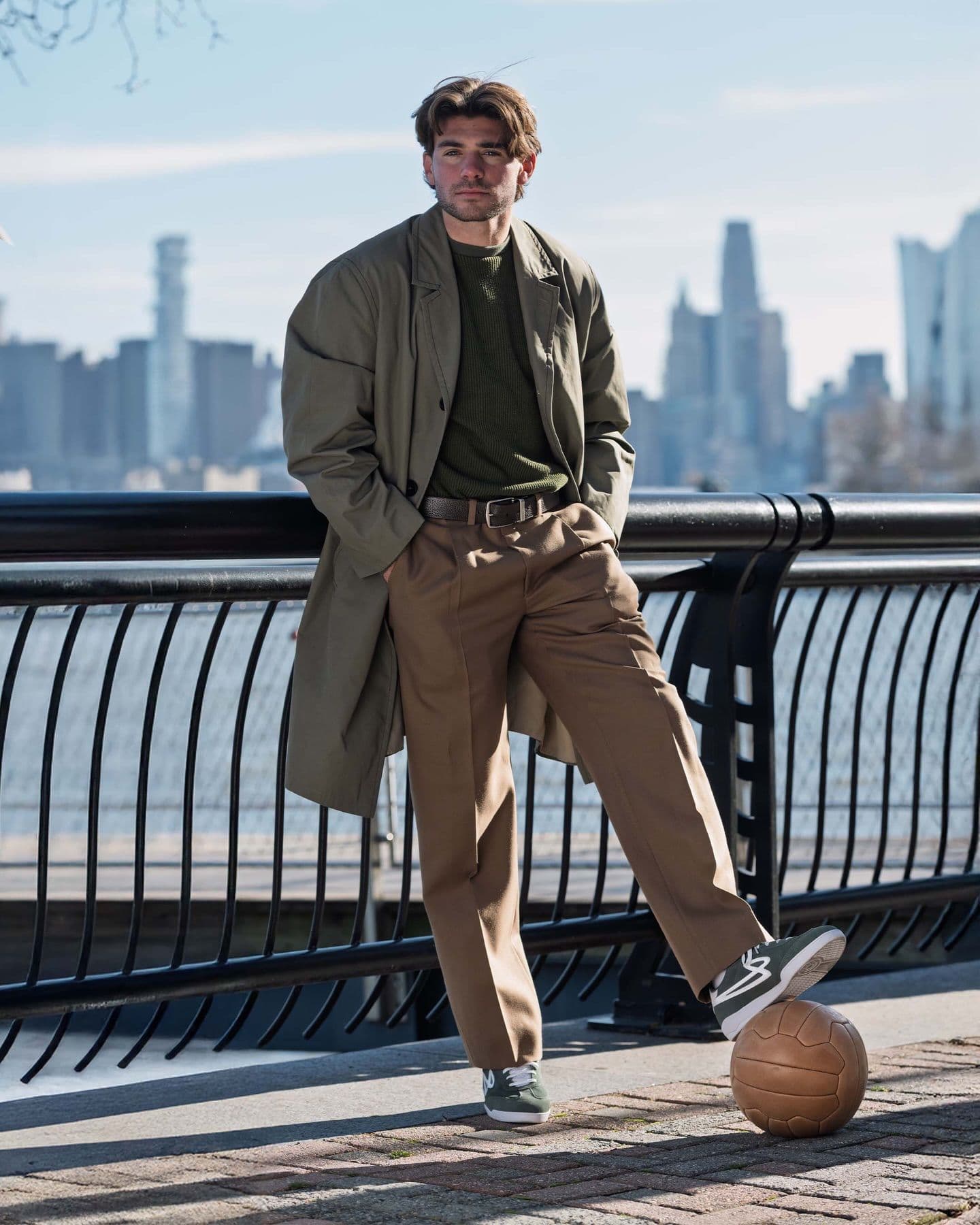
- Relaxed, baggy silhouettes
- Mixed textures & layers
- Everyday versatility
- Lifestyle-first positioning
Keyword: Ease.
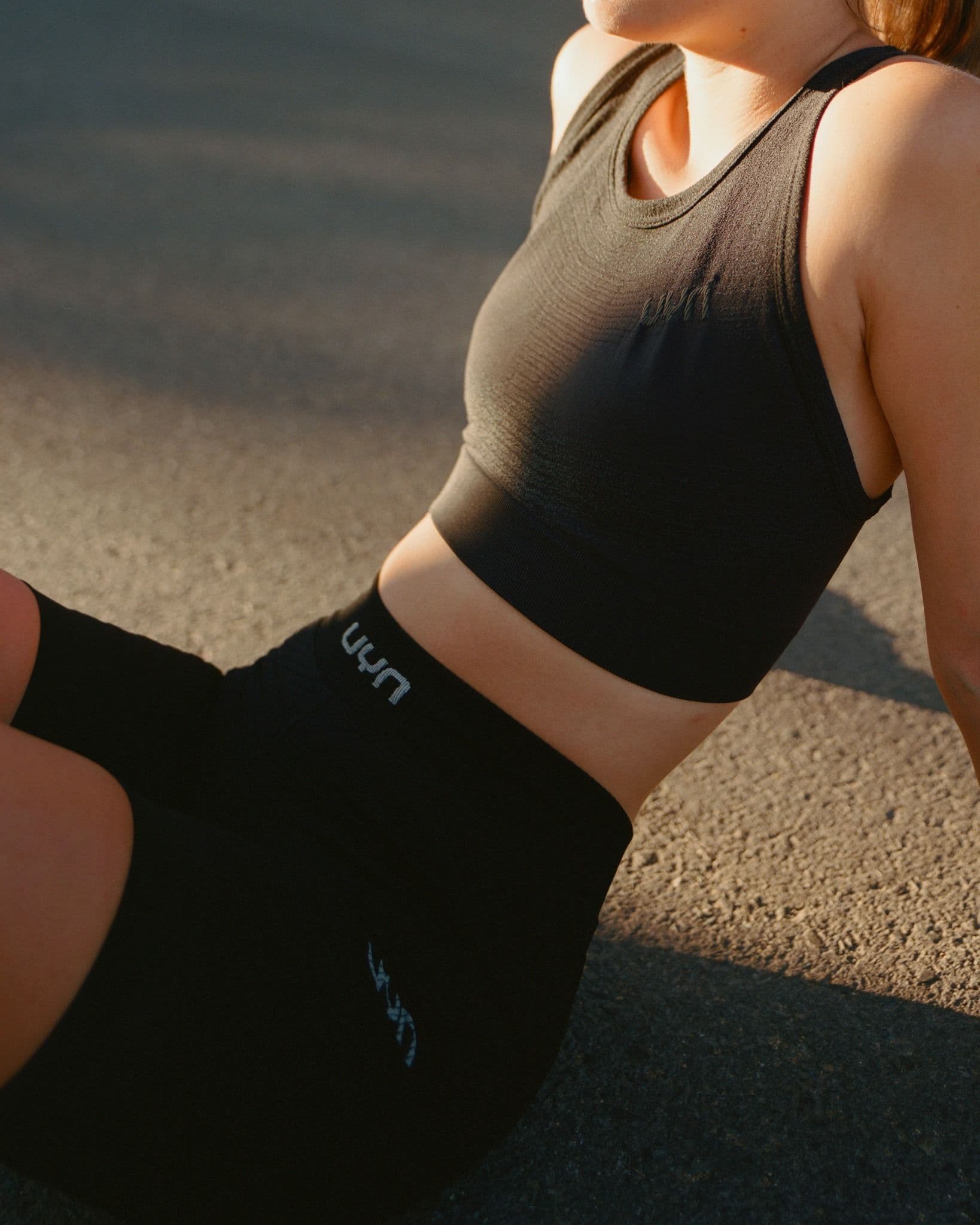
WHY CONSUMERS KEEP BUYING
- Hybrid work blurred dress codes permanently
- Comfort is now emotional, not just physical
- Shoppers want clothes that adapt to them
- Brand trust > trend loyalty
Athleisure wins because it meets people where they already are.
What Comes Next?
The runway is no longer the sole source of fashion legitimacy. Today’s hype stems from community participation, social media relatability, and the ability to live across contexts, from a Zoom call to a park run.
Growth areas
- Men’s lifestyle performance
- Travel-specific athleisure
- Premium basics with technical DNA
- Quiet luxury + function crossover
Risks
- Overexposure
- Copycat fatigue
- Performance dilution
But with a crowded market and fickle audiences, the real winners will be the brands that balance:
- Authentic design
- Consistent cultural conversation
- Operational maturity at scale
In a world where comfort is king but storytelling reigns, the next big names in athleisure won’t just make clothes — they’ll define how we feel in them.
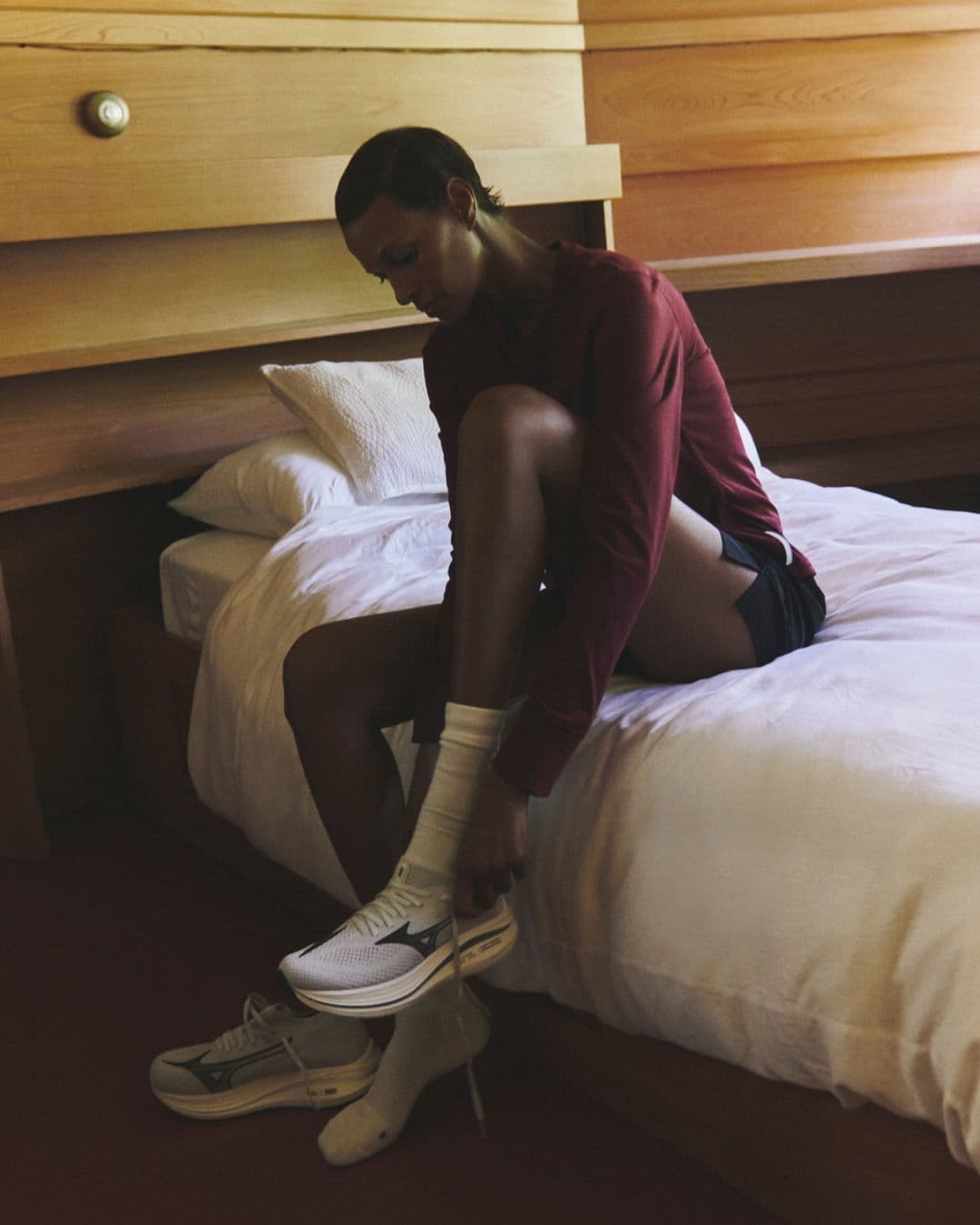
THE TAKEAWAY
The next great athleisure brands will:
✔ Design honestly
✔ Build patiently
✔ Speak culturally
✔ Scale intentionally
They won’t chase hype.
They’ll earn loyalty — through comfort, consistency, and context.