Reality Run: The New Culture of Endurance
Derek Siegel · May 28, 2026
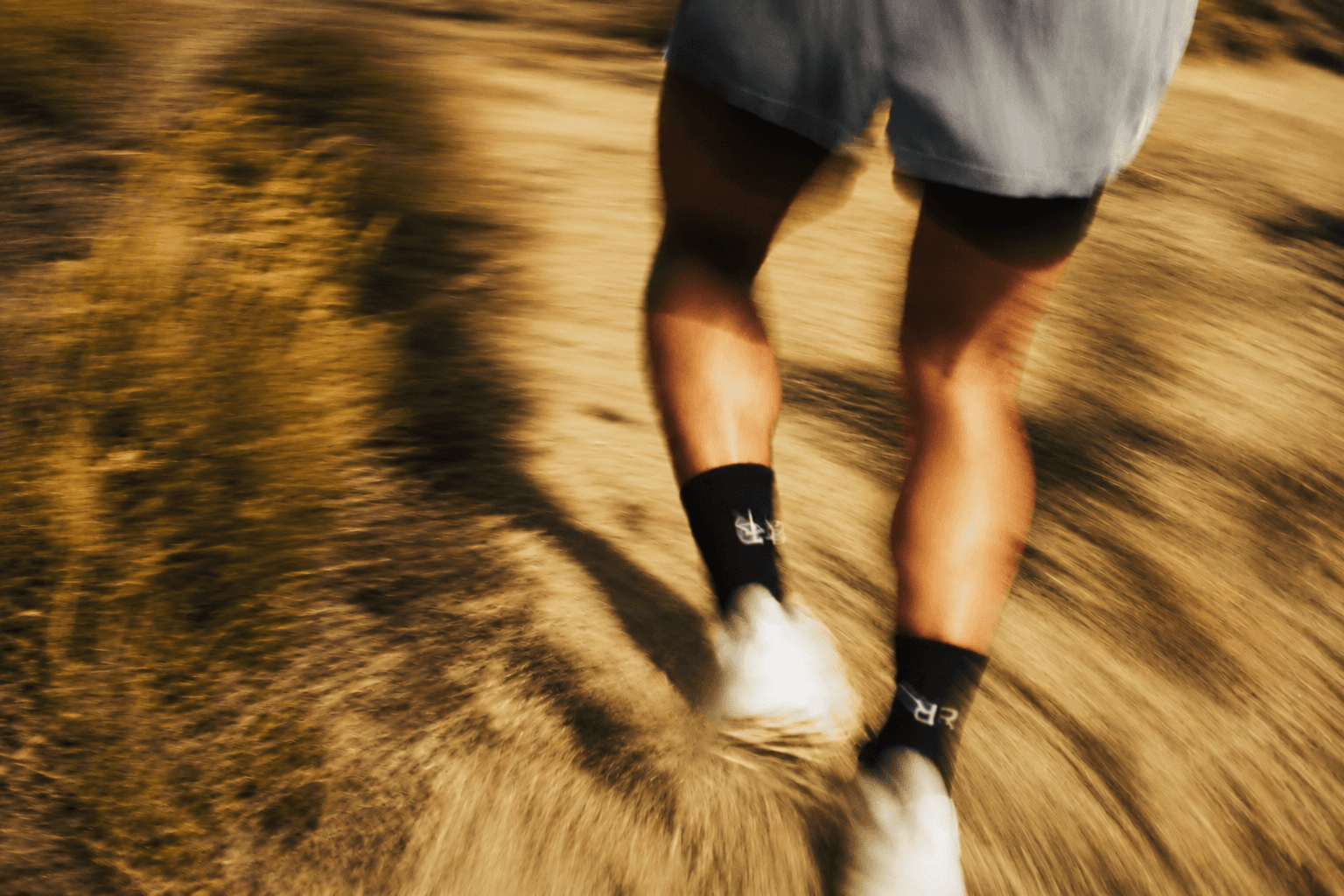
Reality Run doesn’t position running as escape. It treats it as confrontation. Not with competition or pace charts or the algorithmic theater of “wellness culture,” but with reality itself—the long climbs, the blown quads, the aid-station silence at 2 a.m., the uncomfortable clarity that arrives when there’s nowhere left to hide except inside your own body.
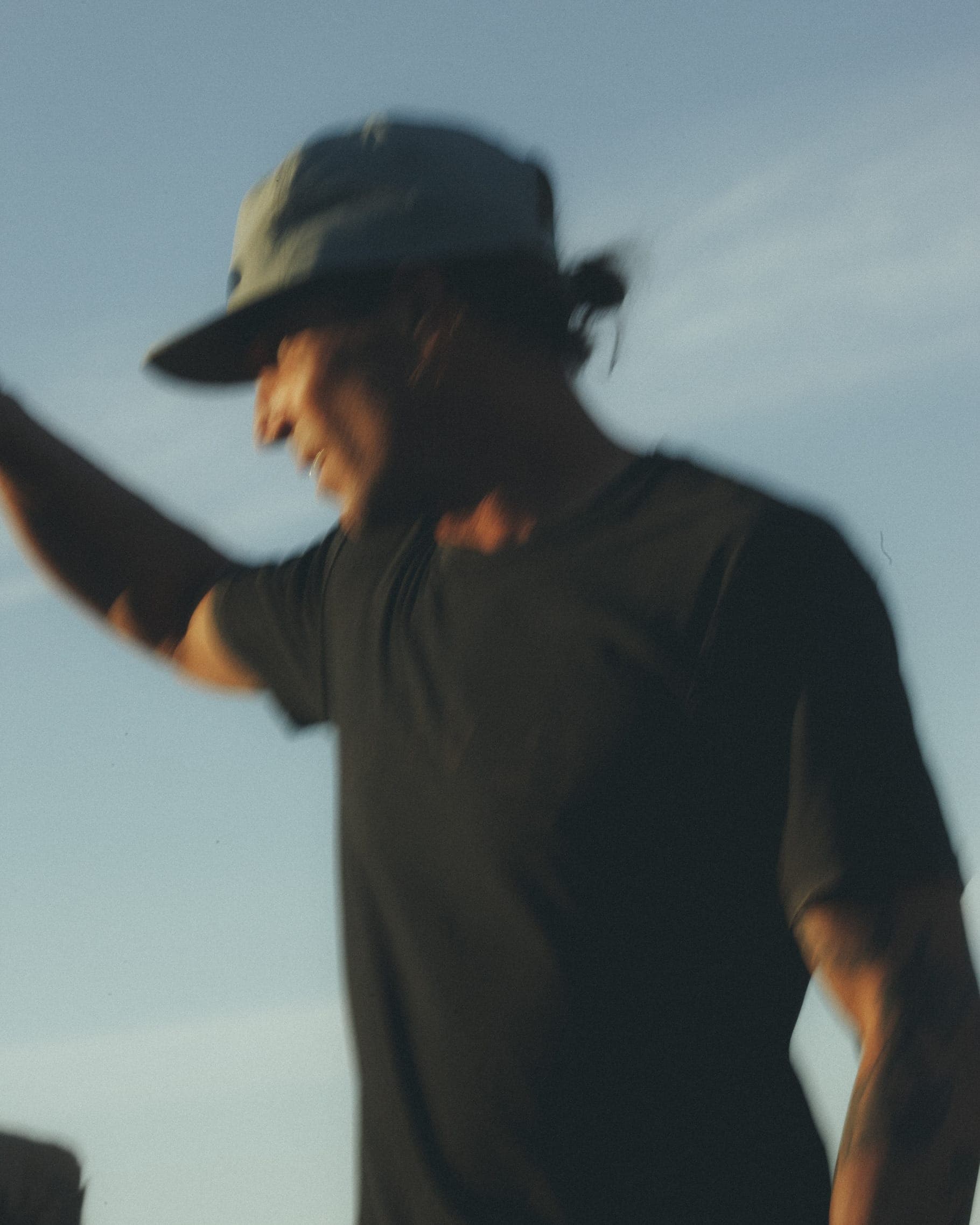
The Southern California-born brand describes itself as “a gear collection rooted in trail, endurance, and the terrain of life,” built for runners moving fluidly between “early miles, coastal shakeouts, mountain efforts, strength work, community runs, travel days, and everyday life.” That framing matters because Reality Run isn’t selling running as temporary escape from modern life. It’s positioning endurance as a way of moving through it more honestly.
Founded around ultra-distance culture and informed directly by athletes, Reality Run exists in the increasingly fertile space where technical running apparel overlaps with philosophy, identity, and modern menswear. But unlike many contemporary performance labels chasing fashion relevance through nostalgia or irony, Reality Run feels more interested in endurance as ritual. Their language is stripped of optimization jargon and biohacking promises. “Ultras Aren’t Trained. They’re lived,” the brand writes—a mission statement that reads less like marketing copy and more like a warning.
That distinction matters.

The Evolution of Running Culture
Running has changed. Over the last decade, the sport has evolved from solitary fitness pursuit into a broader cultural ecosystem shaped by design, community, and aesthetics. New labels like Satisfy, District Vision, Tracksmith, and Bandit helped transform running apparel from purely utilitarian gear into objects carrying social and creative meaning. But as the category expanded, so did the performance theater surrounding it. Carbon plates. Recovery metrics. Hyper-consumption disguised as self-improvement.
Reality Run arrives as a quieter counterpoint.
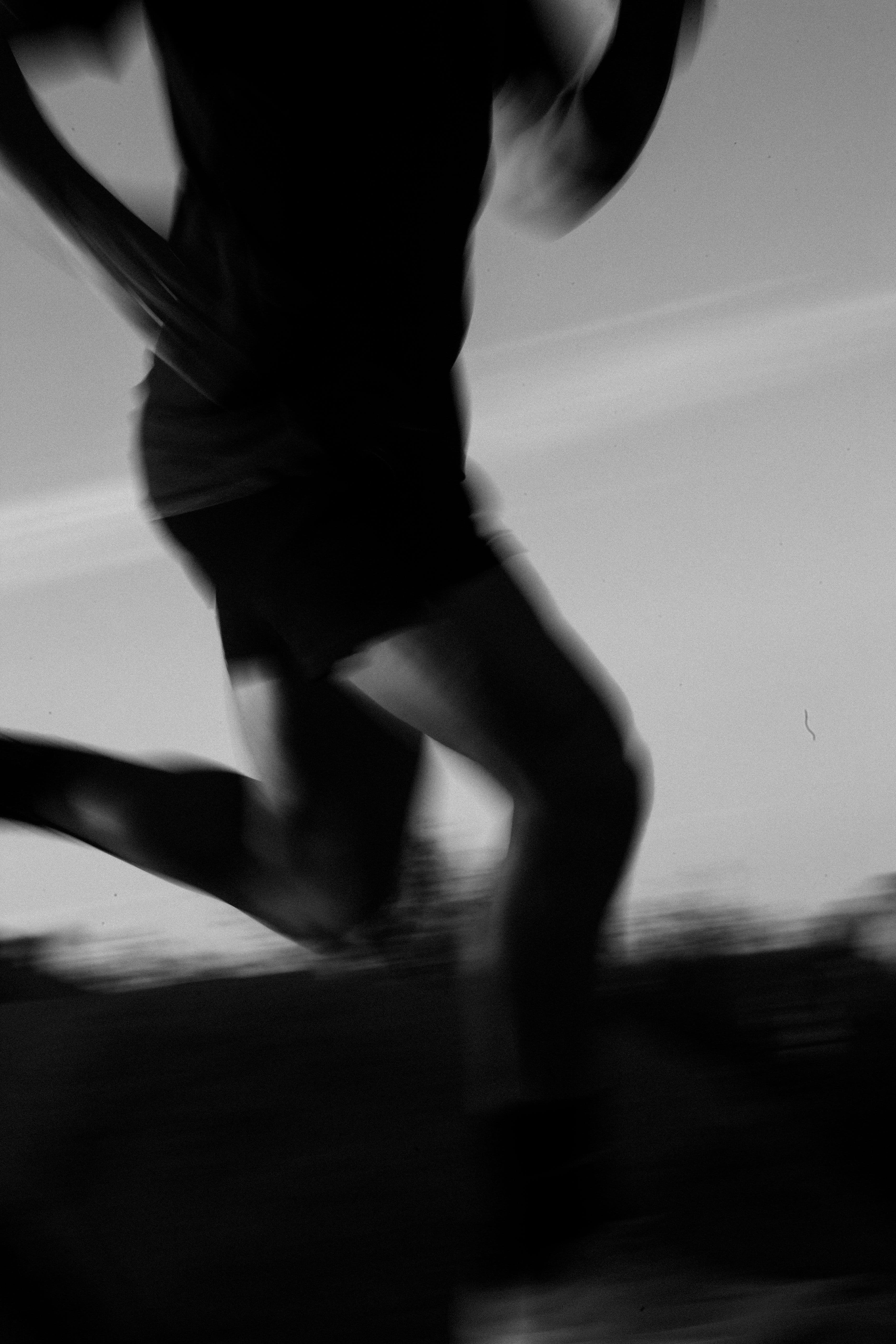
The brand’s visual language leans cinematic and weathered rather than hyper-engineered. Campaign imagery feels closer to independent outdoor photography than traditional athletics marketing. Sweat isn’t aestheticized—it’s accepted. The environments are dusty, exposed, and indifferent. The athlete isn’t framed as superhero, but participant. Someone moving through terrain instead of conquering it.
That perspective aligns closely with the brand’s own positioning: gear “made for the terrain runners actually live in — on and off the trail.” The emphasis isn’t on fantasy environments or elite exclusivity. It’s on the overlap between endurance and ordinary life—the reality that modern runners move constantly between training, work, travel, recovery, and community.
Endurance as Personal Excavation
That mindset aligns naturally with ultra-running itself, a discipline increasingly resistant to mainstream sports logic. Ultras reward restraint over explosiveness, patience over spectacle. Nobody accidentally runs 100 miles. You enter that territory deliberately, often for reasons that are difficult to explain to people outside it.
Reality Run understands that psychology intimately. The brand speaks to runners who no longer see movement as productivity, but as a form of personal excavation.
And while the apparel space has become crowded with technically competent products, cultural fluency is harder to manufacture. Reality Run succeeds because it understands the emotional architecture surrounding endurance sports. The hours before sunrise. The silence after long runs. The strange intimacy between suffering and clarity. The realization that endurance isn’t always about pushing harder—it’s about staying present long enough for the noise to disappear.
Its founder-led, athlete-informed approach reinforces that authenticity. Rather than presenting performance as abstraction, Reality Run builds from lived experience—the repetitive rhythms of training blocks, the unpredictability of terrain, the emotional swings that define long-distance effort. The result feels grounded instead of aspirational.

A Different Kind of California Running Brand
There’s also something distinctly Californian embedded in the brand’s DNA. Not the polished wellness version exported through Erewhon and performance podcasts, but a harsher, more geographic California—the canyon trails, dry heat, mountain exposure, and Pacific Coast isolation that shaped generations of surfers, climbers, and distance runners before “hybrid athlete” became a content category.
Reality Run feels born from that environment. Less gym culture. More trailhead culture.
The brand’s Southern California roots show up not only in aesthetics, but in philosophy. There’s an understanding that endurance exists beyond race day—that movement stretches across coastal shakeouts, mountain efforts, strength sessions, community runs, and everyday transitions between them. Reality Run designs for that continuum rather than separating performance from life itself.
In many ways, the brand reflects a broader shift happening across modern running. Consumers increasingly gravitate toward labels that communicate worldview as much as function. Running brands today operate similarly to independent fashion or outdoor labels: signaling values, taste, and belonging through product and narrative alike.

Beyond Optimization
But where some brands romanticize escape, Reality Run romanticizes endurance itself—the willingness to remain inside difficult moments long enough to emerge changed by them.
That philosophy is embedded directly into the brand’s recurring mantra: “Embrace the Journey.” On paper, it risks sounding familiar, almost cliché. But in the context of ultra-running, the phrase regains weight. Because endurance athletes understand something most modern systems try desperately to avoid: transformation rarely arrives efficiently. It arrives slowly, repetitively, through discomfort and accumulated miles.

Reality Run doesn’t sell the fantasy of becoming someone else. It sells the harder proposition of becoming more honest about who you already are.
Its gear reflects that same mentality: performance-proven, purposeful, and grounded in the realities of how runners actually move through the world. Not just on race courses or mountain trails, but across travel days, recovery mornings, strength sessions, and ordinary routines that rarely appear in traditional sports marketing.
And in a performance culture increasingly dominated by simulation, optimization, and spectacle, that may be the most radical position a running brand can take.
Shop Reality Run for your next endurance run on OU.