Fashion's Big Running Moment: How Indie Brands are Redefining Style, Performance and Culture
Derek Siegel · January 12, 2026
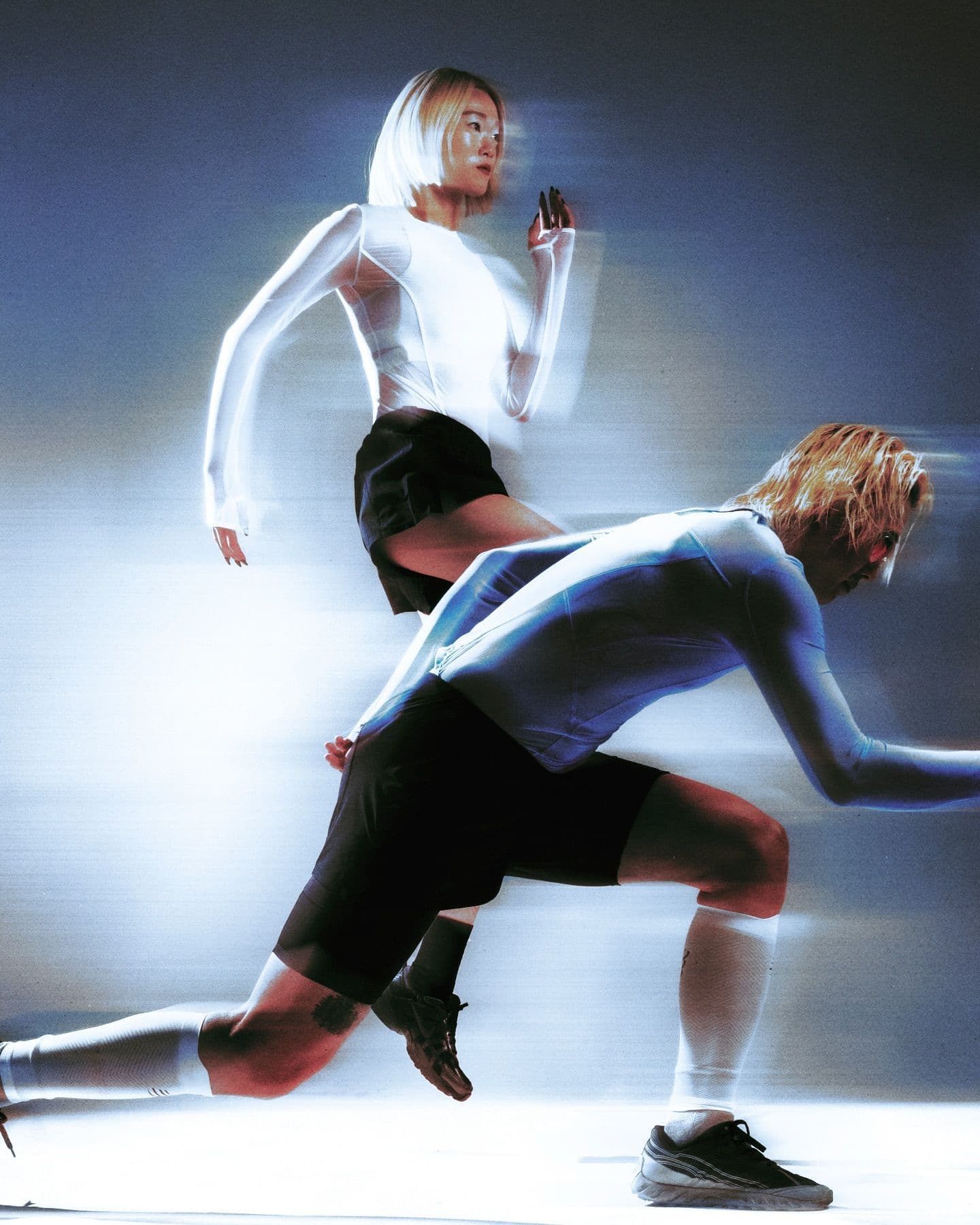
Once overlooked, rarely styled, and largely dismissed by fashion, running has quietly become one of the most influential forces shaping not just modern sportswear but fashion overall.
Not because running changed—but because everything around it did.
As performance categories bleed into daily life, running apparel has emerged as one of the most honest expressions of movement-led design. The result is a new generation of brands and products that sit comfortably between function and form—built for miles, but designed to exist far beyond them.
This is running, stripped of excess. Precise. Intentional. Contemporary.
Running Apparel’s Unexpected Renaissance
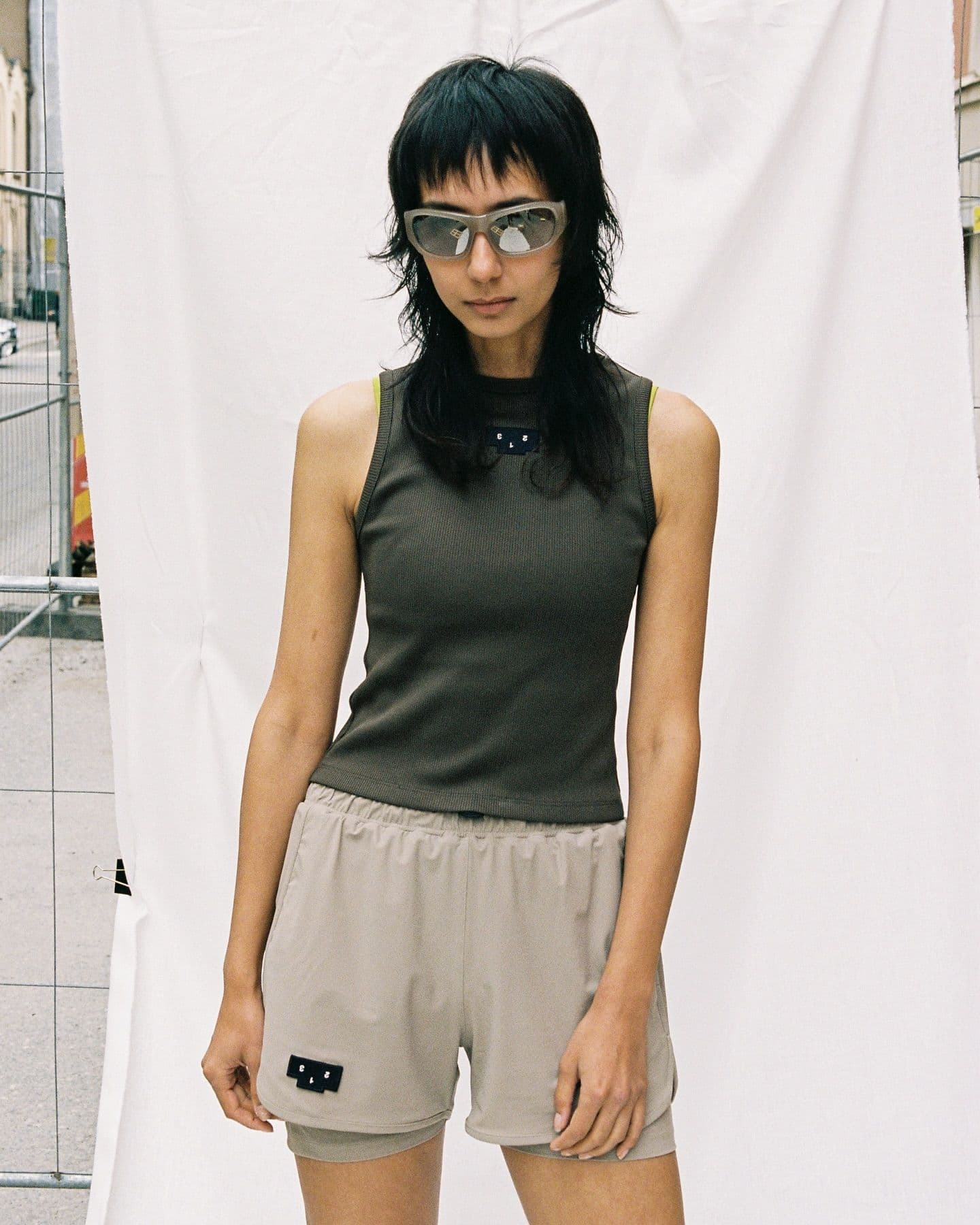
On the surfaces of streets and the pages of fashion week: why running gear is no longer just sportwear.
There was a moment, not long ago, when the very phrase “running fashion” felt like an oxymoron — a mash-up of two worlds comfortable in their separation: gritty, no-frills performance on one side; curated, trend-oriented style on the other. But today that boundary isn’t just blurring — it’s dissolving into something new and vibrant, where performance and design co-author the same cultural story.
Running hasn’t simply become fashionable — it has become fashion’s proving ground.
What Changed? A Combination of Forces
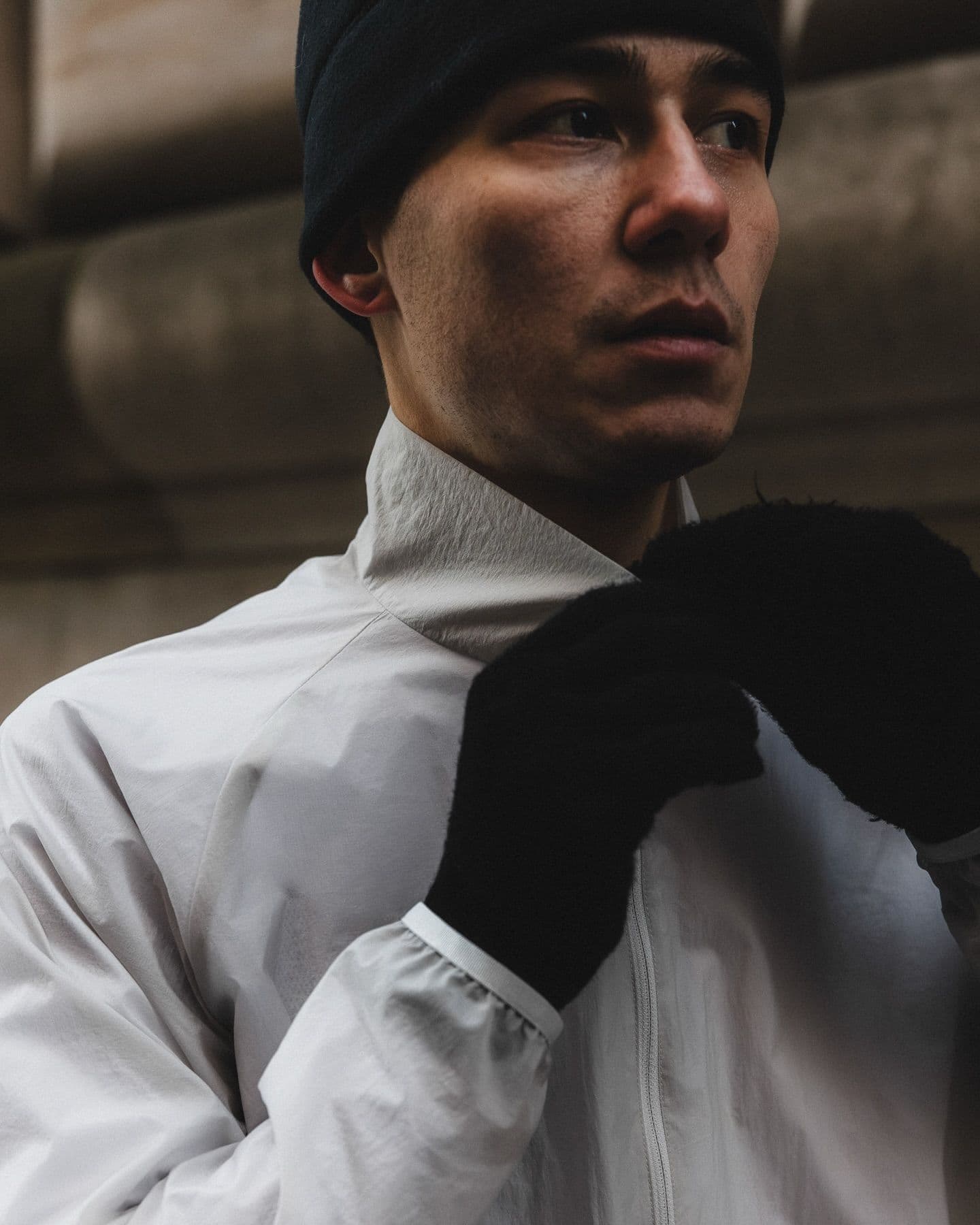
Running went from background to foreground, and that shift didn’t come from a single moment — it came from many small ones converging.
1. The Pandemic Sparked a Boom
When gyms shut and indoor social spaces closed during COVID, running remained one of the few activities people could do outdoors, alone or socially distanced. What began as a practical way to stay active became a habit, then a lifestyle. And even after restrictions lifted, the momentum didn’t disappear — it carried on.
2. Running Is Simple — and Deeply Human
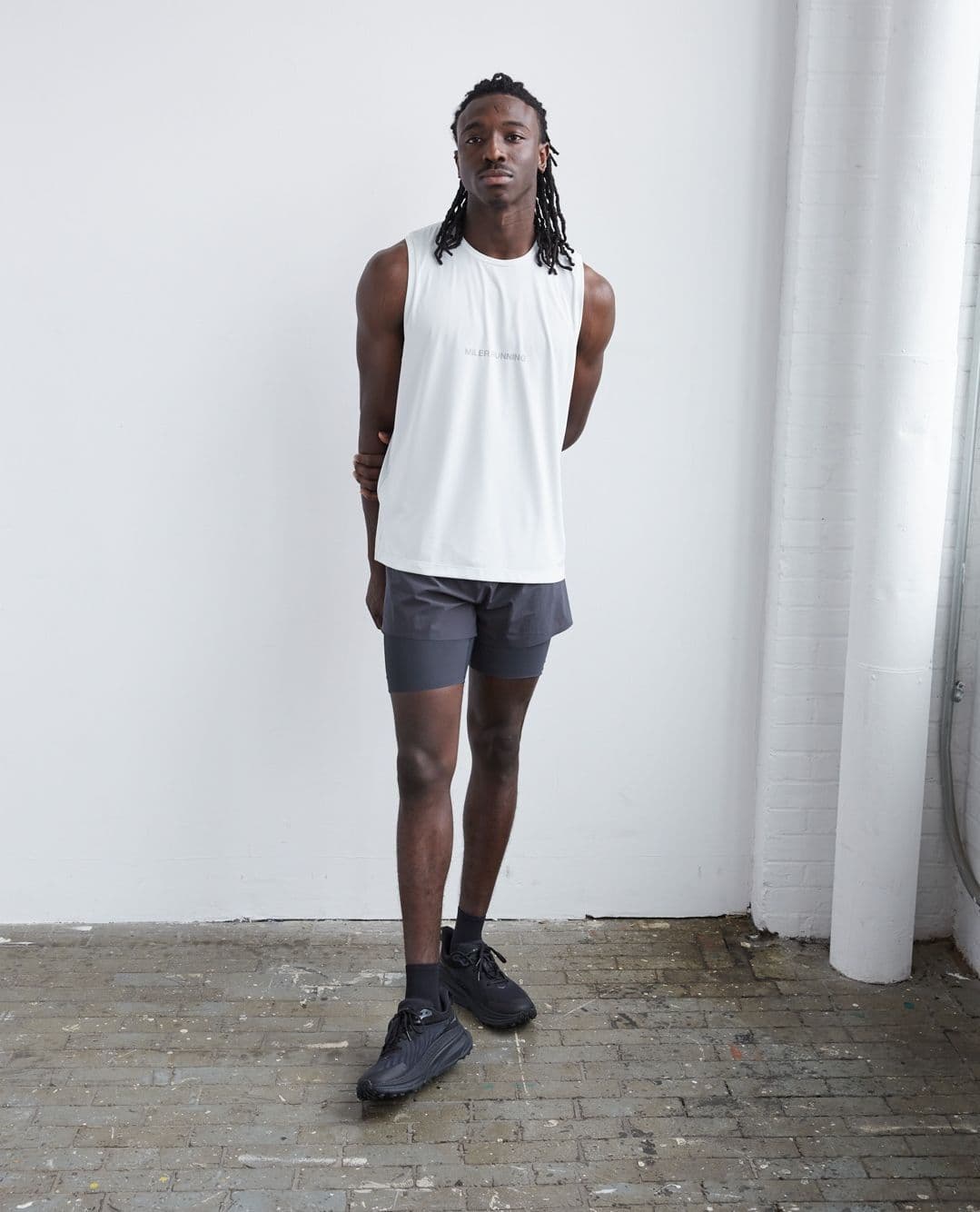
All running really requires is a pair of shoes and a place to go. It strips away barriers and asks only that you move. That accessibility is part of its appeal. Unlike exclusive, expensive sports, anyone can start — and, importantly, return to it again and again with minimal setup.
3. Community Found Its Path
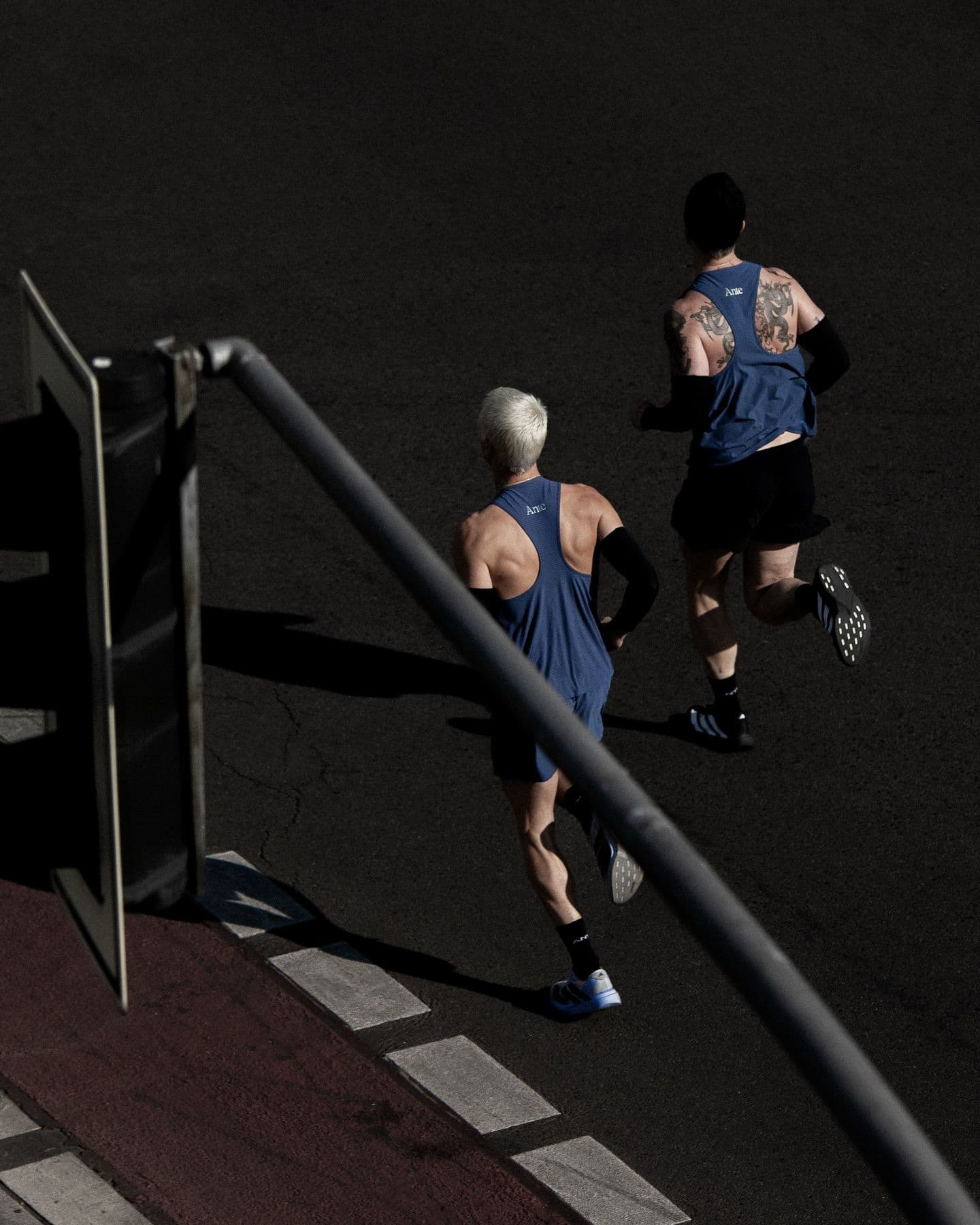
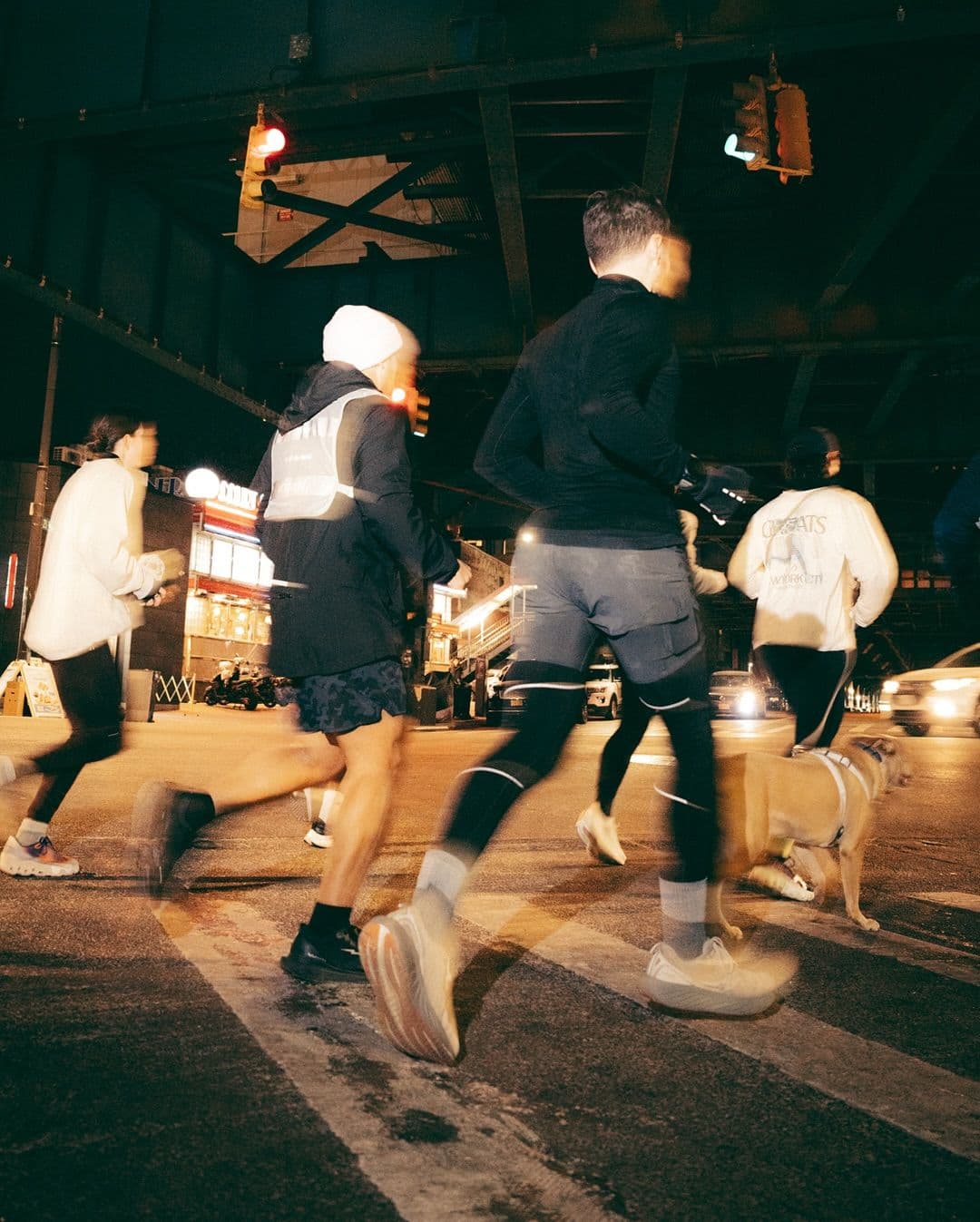
Running isn’t just something you do anymore — it’s something you do with others. Run clubs have erupted in cities around the world, creating a sense of belonging that many people no longer find in traditional social spaces. According to Strava data, participation in run clubs jumped by 59% in 2024, and more runners report deep social ties formed through these groups.
Running’s popularity explosion owes as much to societal shifts as to athletic interest. With remote work, heightened awareness of mental and physical health, and the rise of running communities and social media, more people are lacing up — and they care about how they look while doing it. New runners aren’t just chasing personal bests; they’re curating identities through the sport.
This cultural moment — running as a form of self-expression — created fertile ground for independent brands to flourish. Instead of generic performance gear, these labels offer curated aesthetics, intentional storytelling, and community-centric branding that resonate with runners who want more than function: they want style with substance.
Numbers Don’t Lie — But They Only Tell Part of the Story
To understand why running apparel matters to both editors and enthusiasts, start with the data:
- The global running apparel market — defined as clothing designed specifically for running — has been valued in the tens of billions and is projected to continue its robust growth trajectory through the decade. Recent estimates place the category around USD 47 billion in 2024, with a forecast to expand above USD 80 billion by the early 2030s at roughly a 6%–7% annual growth rate.
- In broader comfort-meets-performance categories, the activewear and athleisure markets — ecosystems in which running gear now lives and breathes — are growing even faster. The global activewear market alone is projected to climb from over USD 400 billion in 2024 to more than USD 677 billion by 2030.
Taken together, these figures don’t just show growth. They show demand shifting toward apparel that bridges sport, style, and everyday versatility. Participation stats and race entry figures reveal just how broad running’s reach has become:
- In 2023, 578,374 people entered the London Marathon ballot — enough to set a record, but only about 17,000 could actually run. Two years later, more than 1.1 million people signed up, dwarfing available spots and underscoring just how many people are drawn to the sport.
- Running shoe sales reflect the boom too, climbing from around $9 billion to $15.4 billion between 2019 and 2022.
These aren’t just statistics. They’re proof that running is part of people’s lives in a way it hasn’t been before.
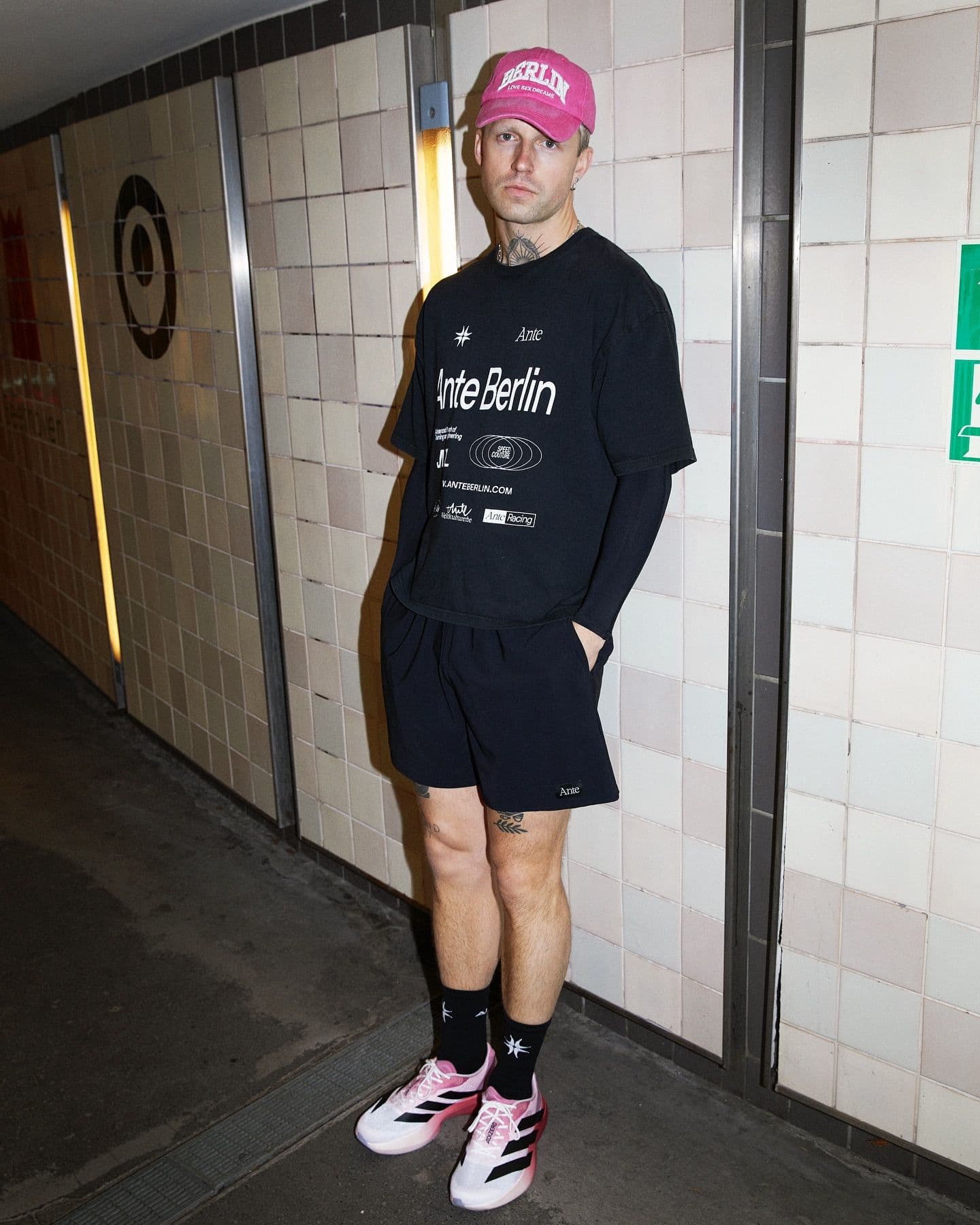
Movement as a Starting Point
Running is inherently uncomplicated. It asks for little and gives back immediately. No environment required. No spectacle promised. Just rhythm, repetition, and effort.
That simplicity is exactly what makes it compelling right now.
As consumers move away from trend-driven fashion and toward utility that feels authentic, running apparel answers with clarity. Every seam has a reason. Every fabric performs a job. Every silhouette moves with the body rather than against it.
In a landscape saturated with aesthetic noise, running offers something rare: design that earns its presence.
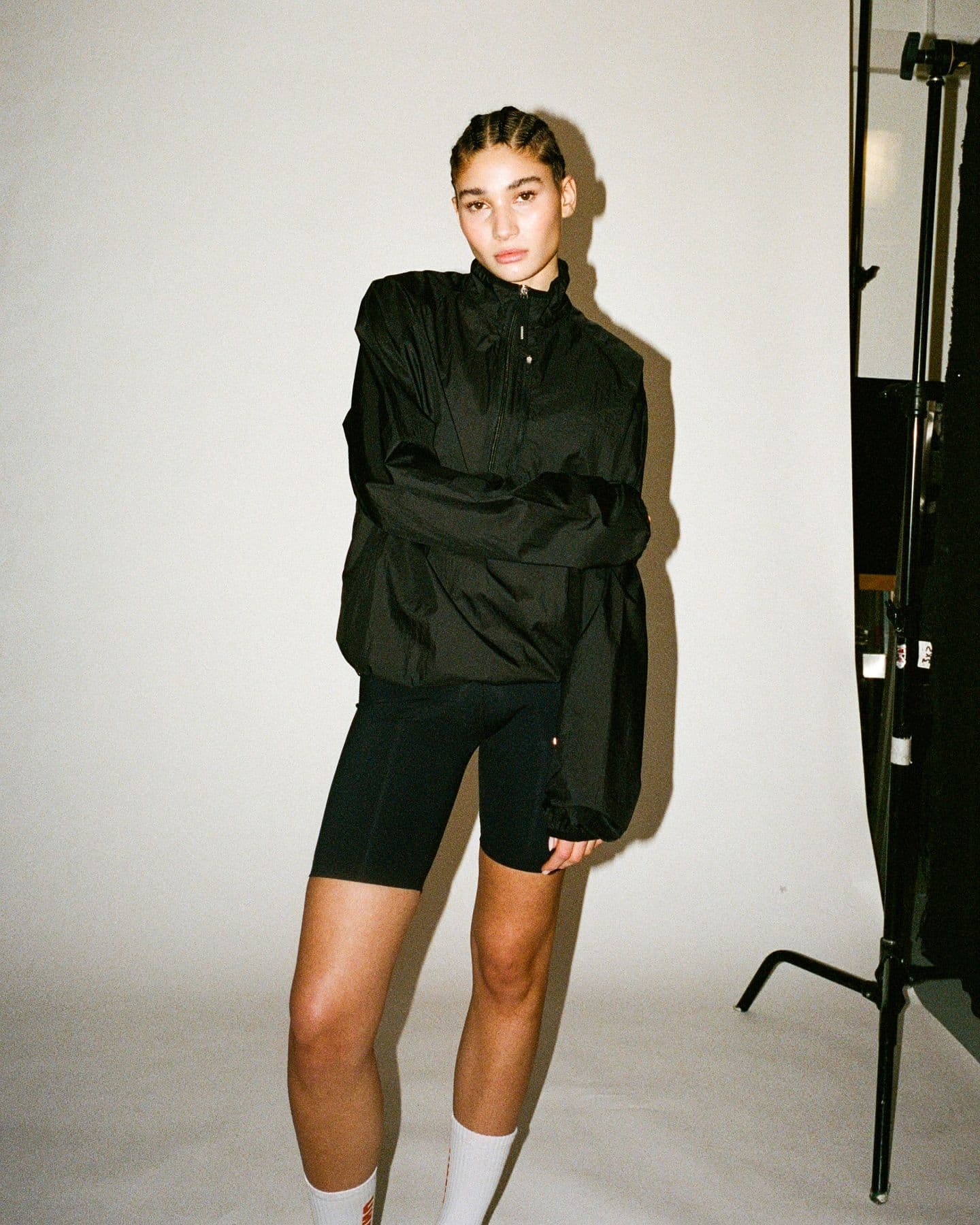
Running as Fashion’s Hidden Catalyst
The current moment is a powerful alliance between fashion and sport, where the logic of one enriches the language of the other.
Why running? Because running is fundamentally honest. It’s universal, egalitarian, and deeply human — there’s no arena, no locker room, no “look at me” lobby between the runner and the road. Yet the gear that accompanies it is now laden with meaning:
- For runners, apparel is an extension of endurance, comfort, and personal pace.
- For fashion editors, it’s a texture of movement illustrated on the body: breathable fabrics, architectural cuts, purposeful silhouettes that work as hard as they look.
This crossover isn’t superficial “sports meets fashion” fantasy. It’s a structural cultural shift in how performance wear is designed, consumed, and written about.
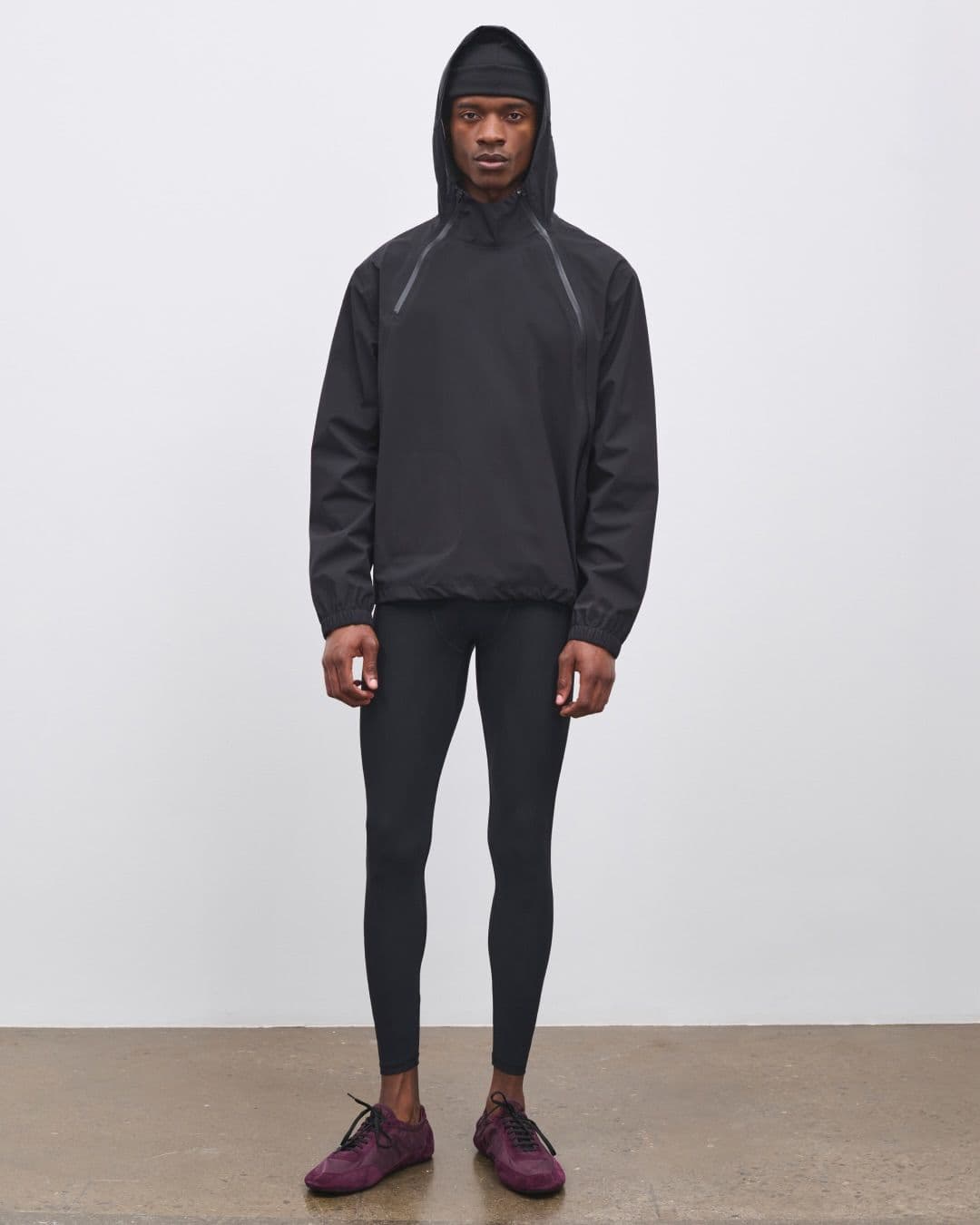
The convergence of sport and fashion isn’t new—but running’s role within it has changed.
What was once hyper-technical or visually loud has been refined. Today’s running apparel favors:
- neutral palettes over signal colors
- lighter constructions over layered bulk
- pieces that transition seamlessly from activity to everyday wear
The appeal lies in restraint. The best running gear doesn’t announce itself—it integrates. It works during training, then continues to exist naturally off-route: on commutes, errands, and slow recovery walks.
This is performance wear for real life.
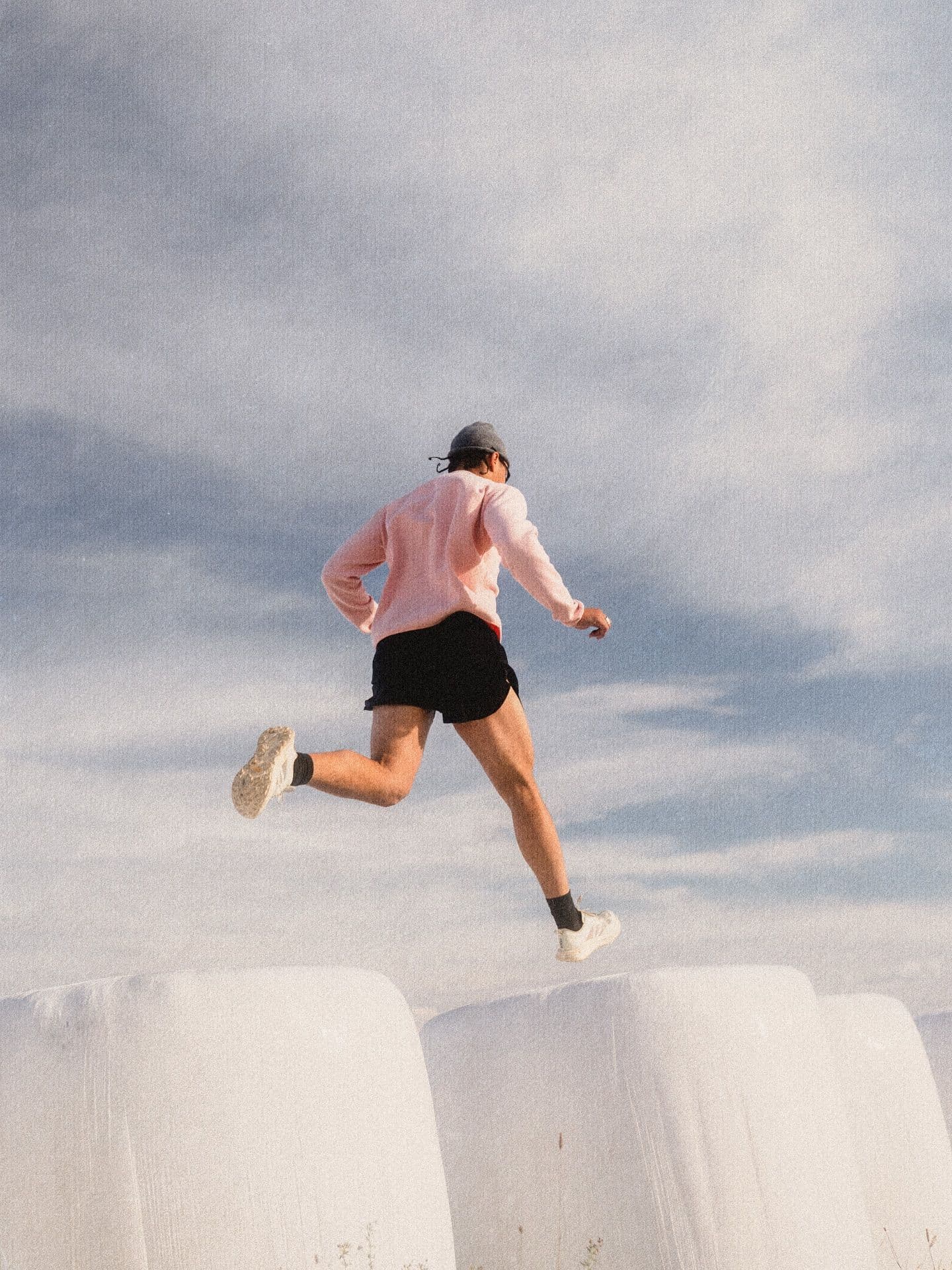
A Category in Motion
The growing visibility of running apparel reflects larger shifts in how people live and move. Wellness is no longer scheduled; it’s embedded. Performance is no longer reserved for competition; it’s personal.
As a result, running apparel has evolved from single-purpose gear into a category defined by:
- material innovation
- longevity over novelty
- thoughtful production
- versatility across environments
This evolution has made space for emerging and independent voices—brands that prioritize product integrity over scale, and design coherence over maximalism.
Independent Voices in a Growing Category
A defining trait of the running apparel renaissance is the rise of brands outside the traditional sportswear incumbents — small labels that carry an authenticity often lost in mass categories.
What sets these brands apart is not merely aesthetic novelty but an understanding that running wear now needs to satisfy three parallel desires:
1. Technical Credibility
Serious runners — from road warriors to trail wanderers — demand materials that wick, flex, breathe, and endure. This is not fashion masquerading as sport; it’s engineered apparel that performs first. Rising indie brands emphasize functionality with design integrity.
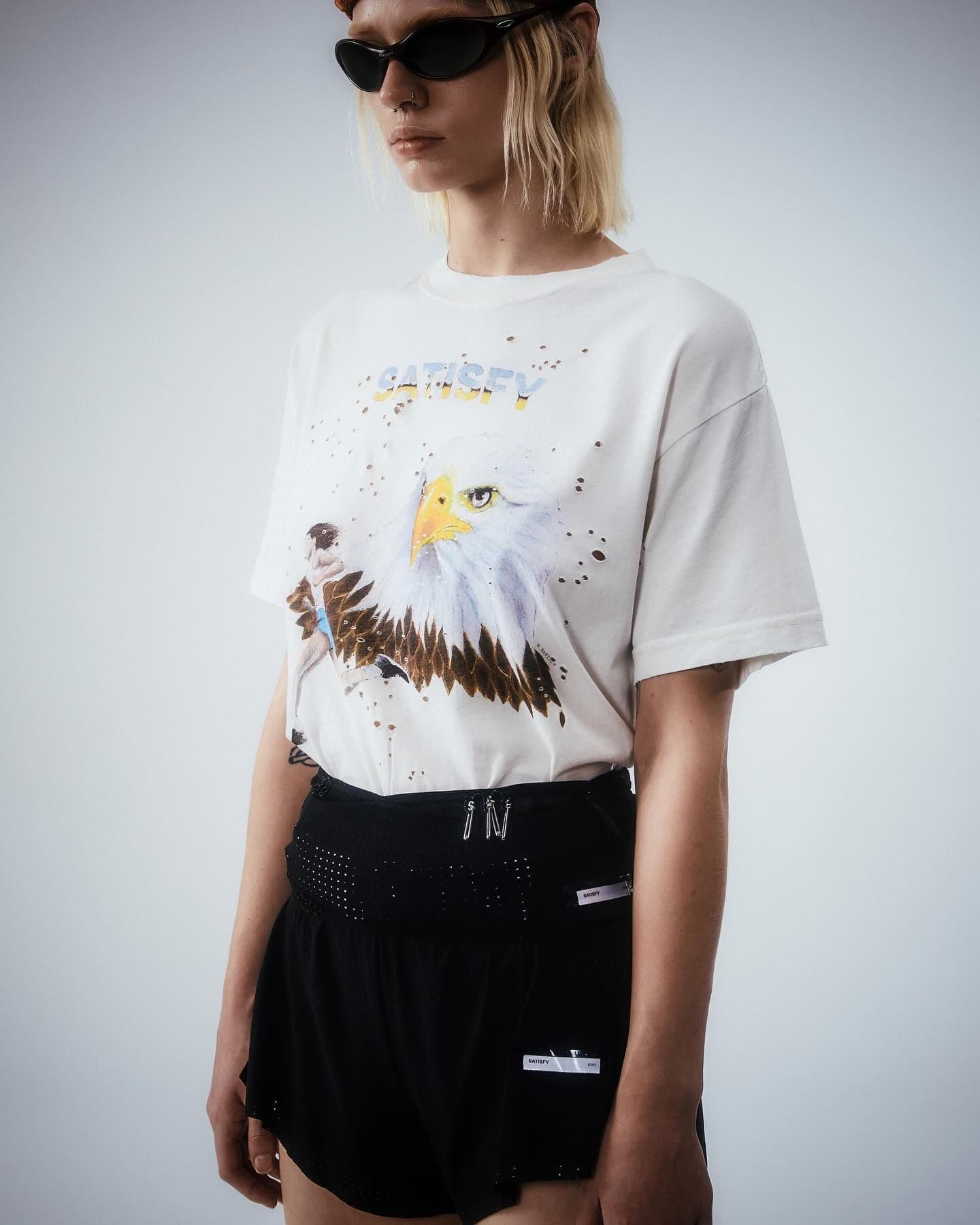
While performance remains central, indie brands often integrate technology with personality.
- Satisfy features unique body-mapped ventilation and a skate-punk aesthetic that defies typical technical wear.
- SOAR focuses on lightweight, scientifically informed materials that help runners feel fast and look distinct.
2. Cultural Narrative
In a world flush with social feeds and storytelling platforms, gear has become identity. Garments speak of morning runs along piers and slow Sunday jogs with friends. They signal belonging to a culture that values health, rhythm, and momentum. Fashion editors have taken notice precisely because running gear now tells a story, not just covers a body.
Many independent labels build with purpose:
- Janji connects its designs to global water causes, pairing sustainability with cultural storytelling.
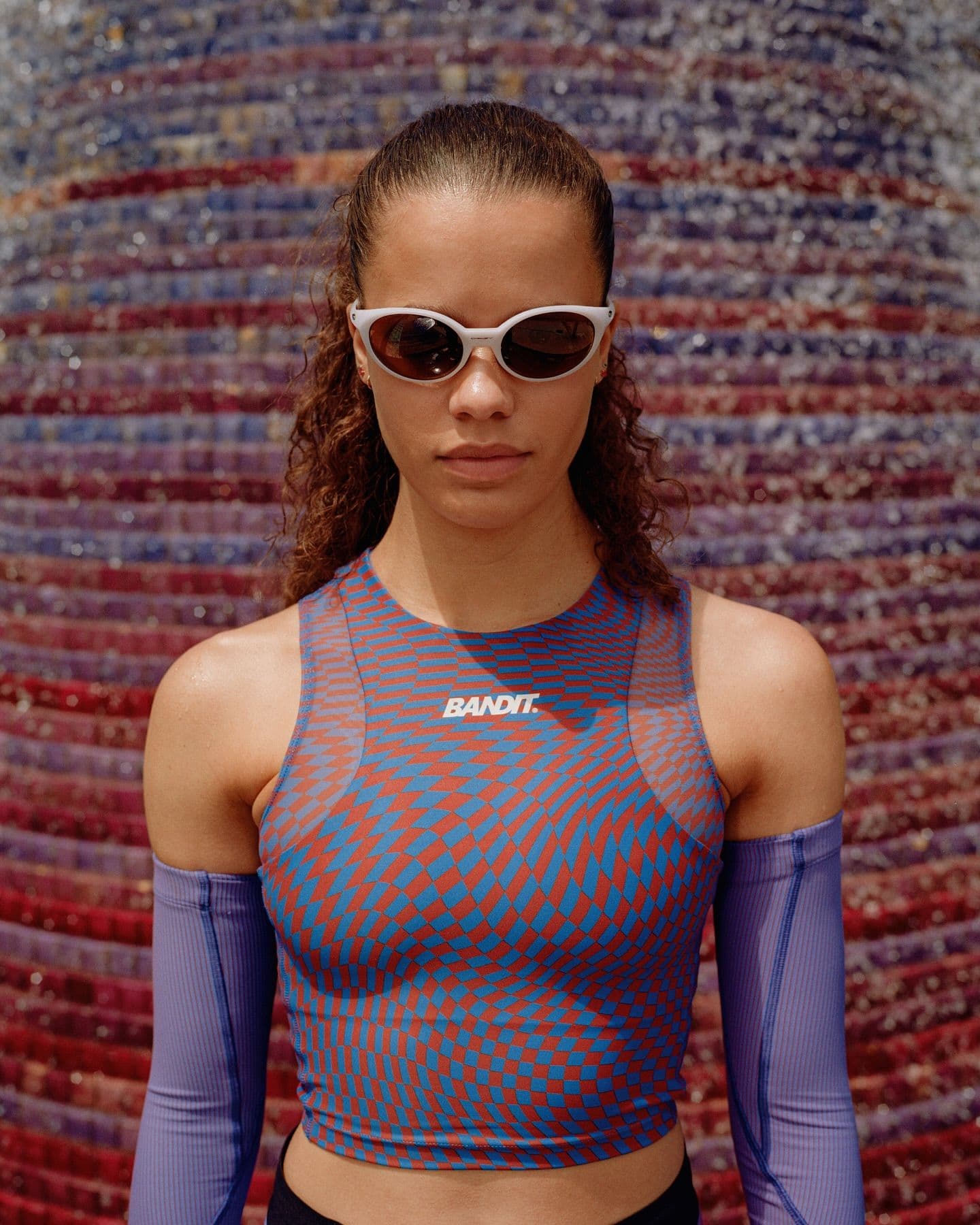
- Bandit emerged not just as a gear maker but as a community hub — hosting group runs and seasonal pop-ups that feel more like cultural meetups than product launches.
This focus on community resonates with runners who see apparel not as commoditized gear but as something that belongs to a scene — a local run club, a crew, a shared ethos.
3. Everyday Wearability
These aren’t costumes for the gym. They’re objects meant to travel through the real world. A well-designed running jacket works under morning drizzle, on public transit, and with tailoring later in the day — a reason the category overlaps so seamlessly with athleisure and active lifestyles, categories collectively on track for explosive growth.
Emerging brands are blurring the line between performance wear and fashion wear. Rather than prioritizing just technical stats, they emphasize design narratives that reflect cultural values, heritage, and personal identity.
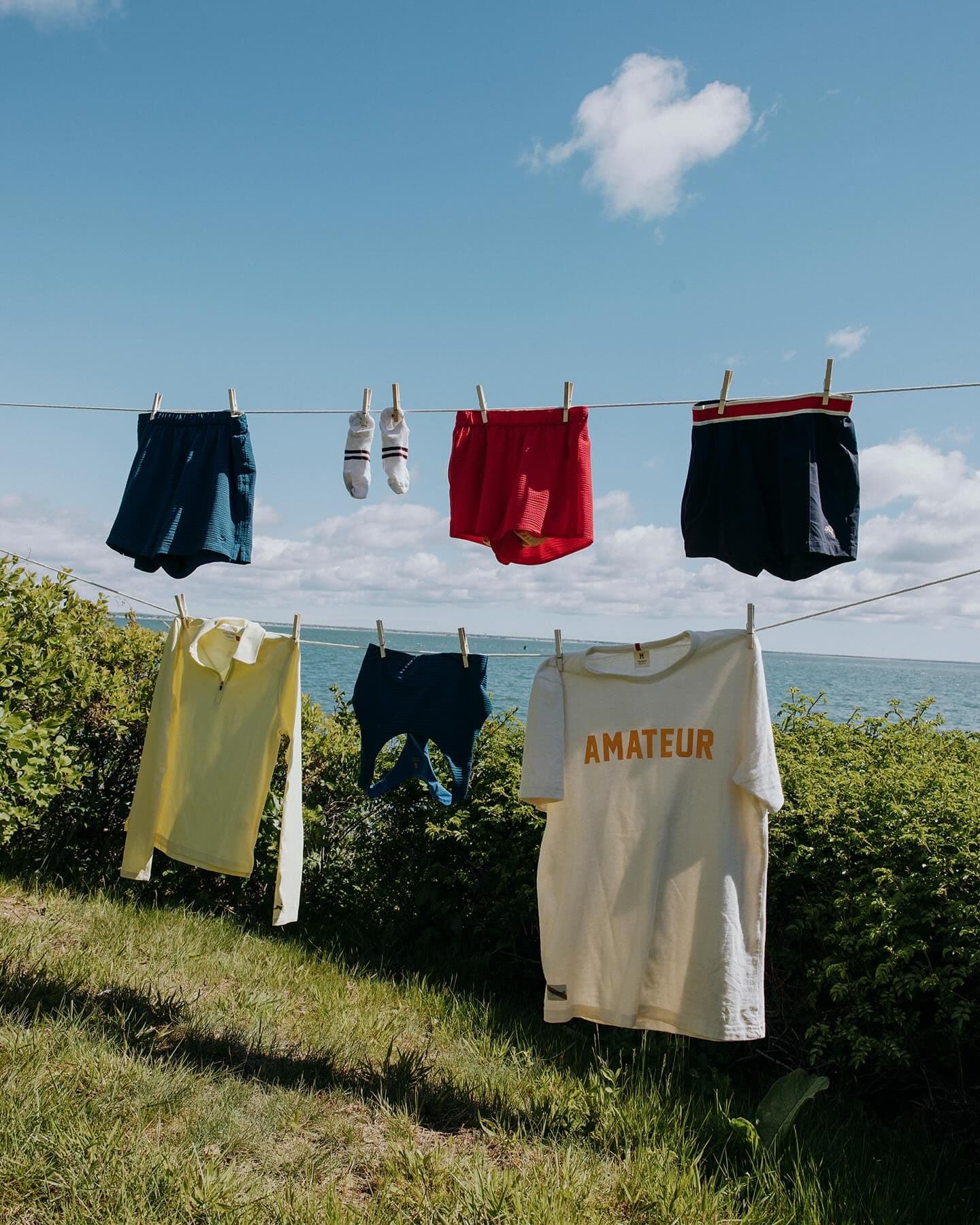
- Tracksmith is known for its retro-inspired apparel, injecting nostalgia and refined design into running gear.
- Ciele Athletics centers stylish performance headwear that appeals to runners who want more fashionable accessories.
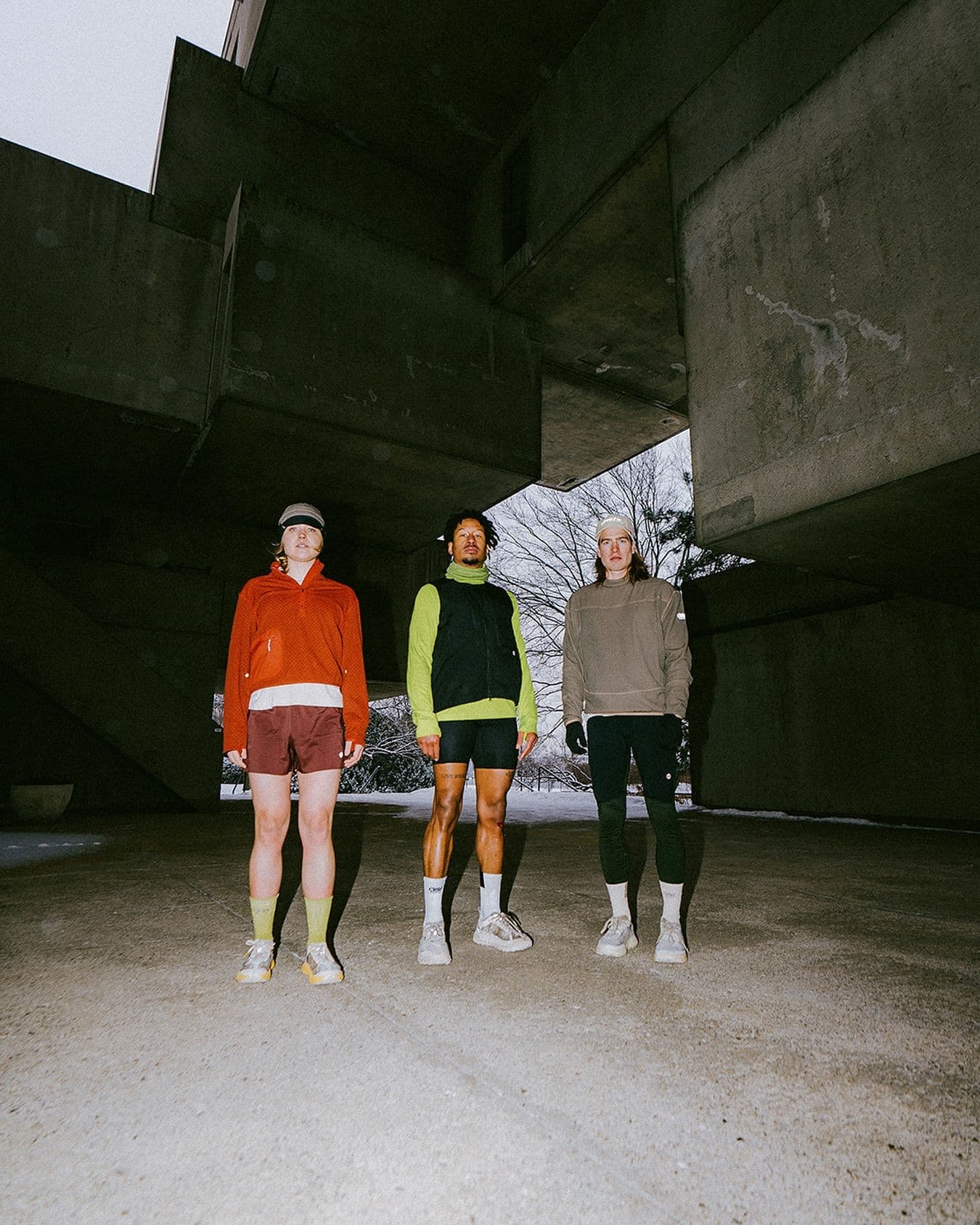
The Standout Indie Players
Below are some of the independent and emerging brands redefining running apparel around the world:
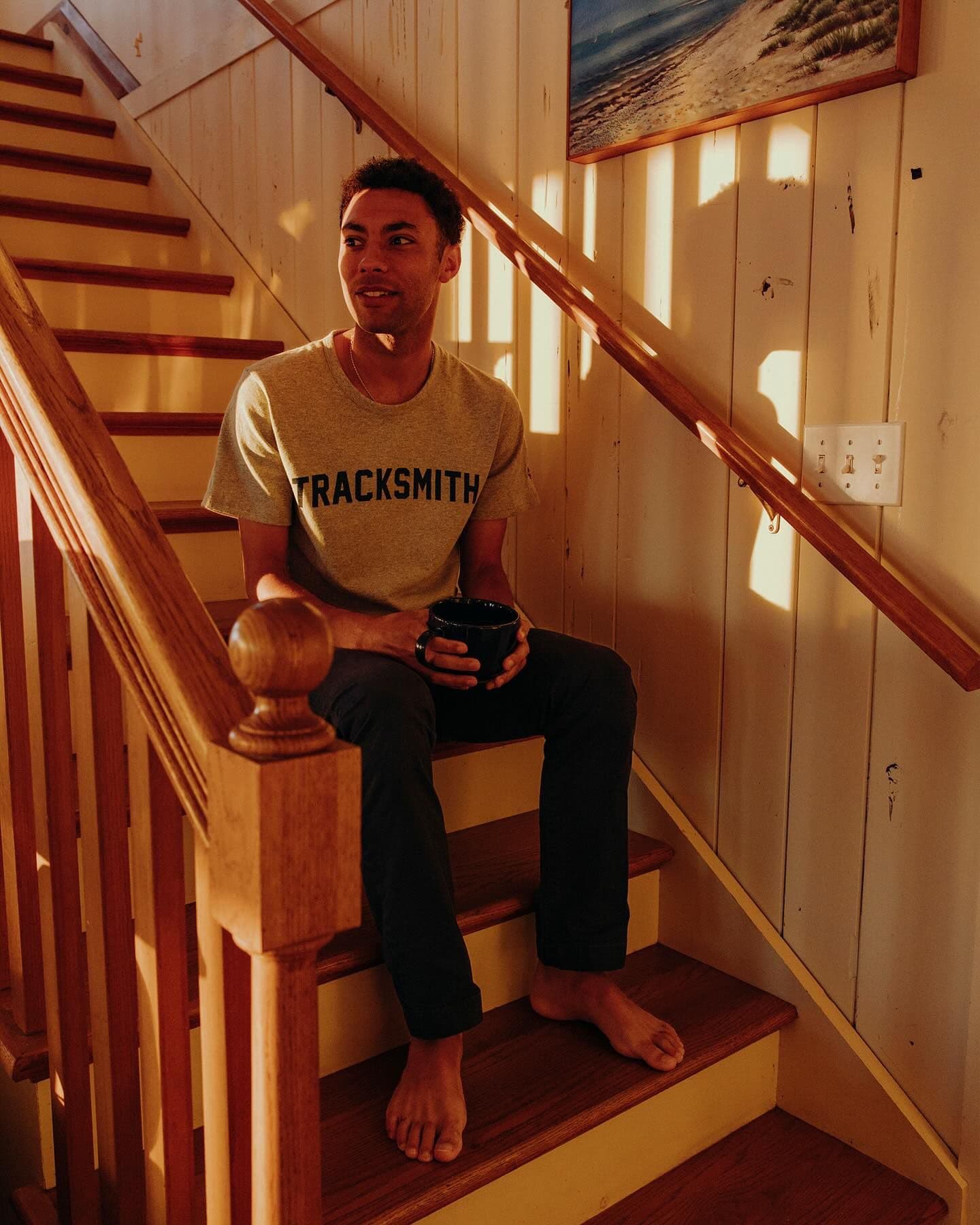
Tracksmith — Refined, heritage-inspired running apparel.
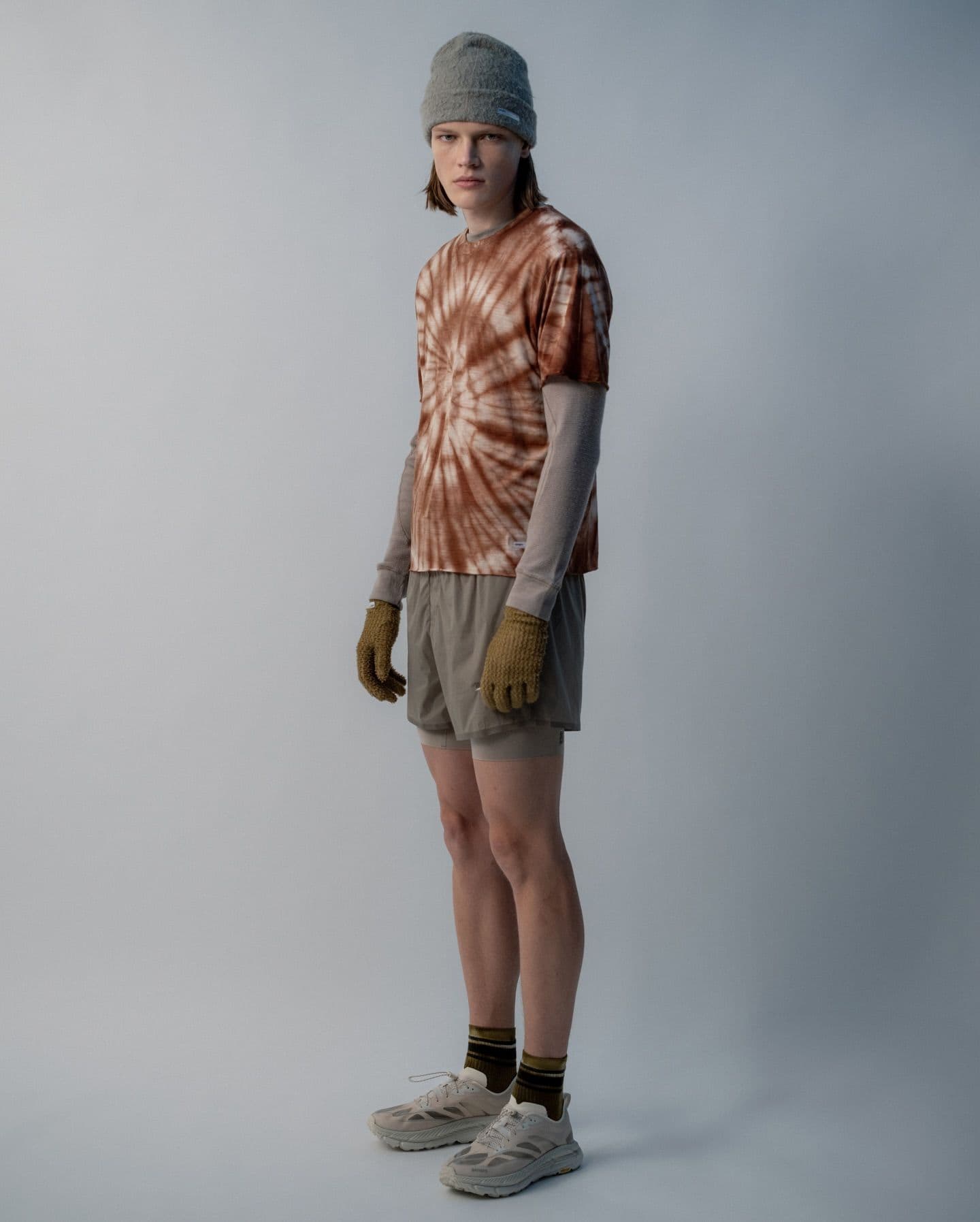
Satisfy — Avant-garde performance gear with artful design, blending fashion with functionality.
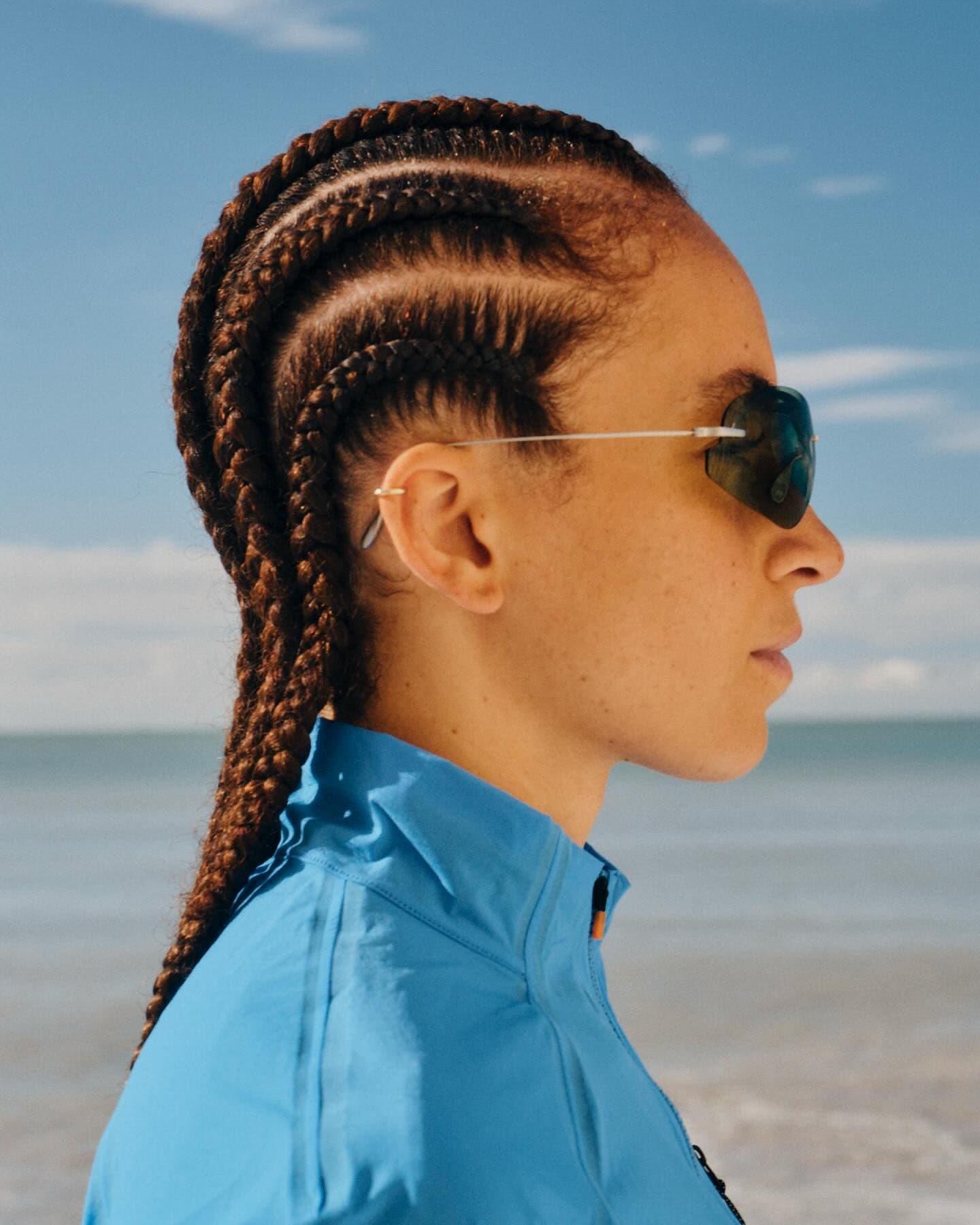
SOAR — Minimalist British brand with performance-led technical fabrics.

Praise Endurance — Style-forward, inclusive running pieces with a lifestyle bent.

Janji — Socially conscious label linking product design to global issues.
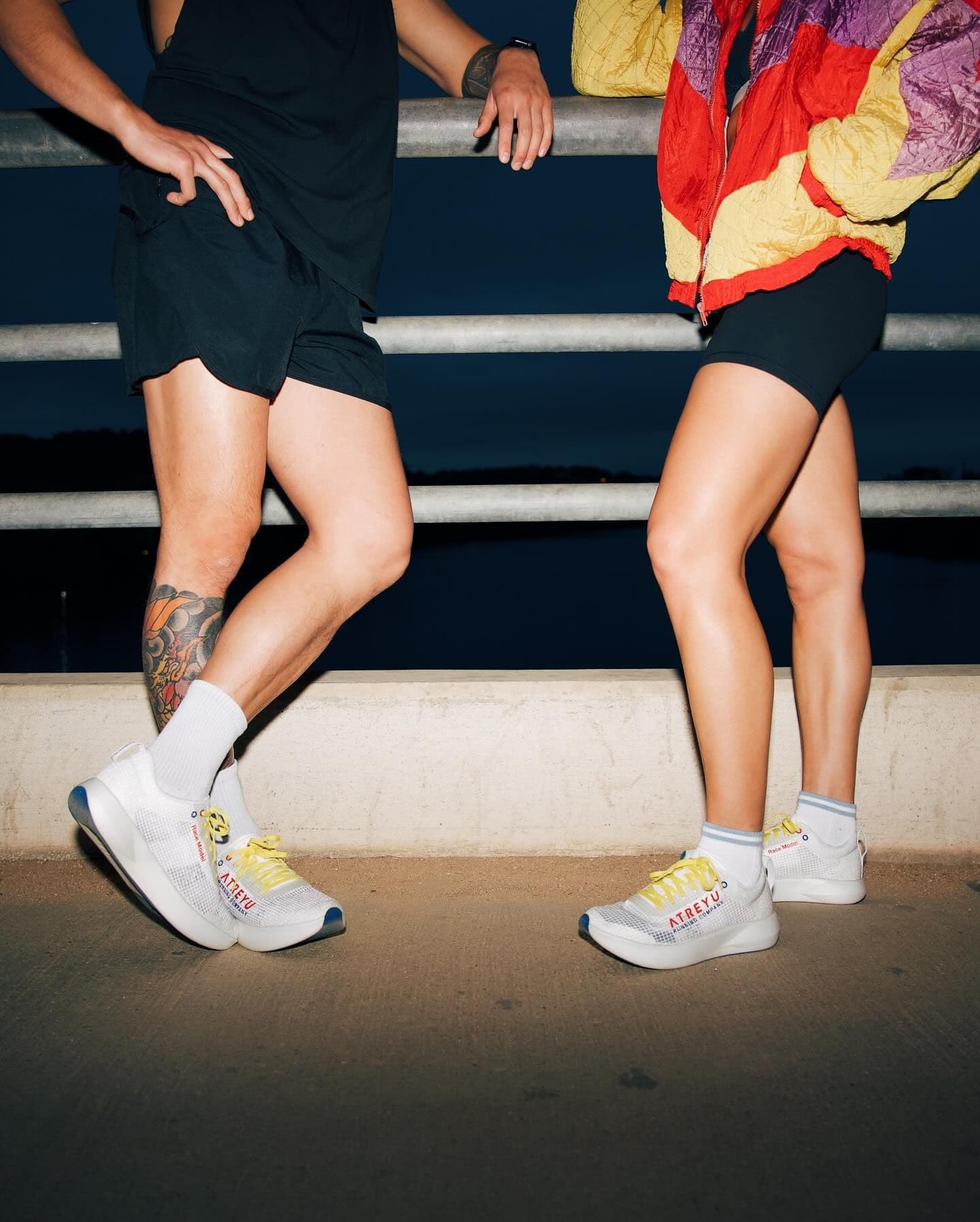
Atreyu — Clean, minimal running footwear with purposeful simplicity.
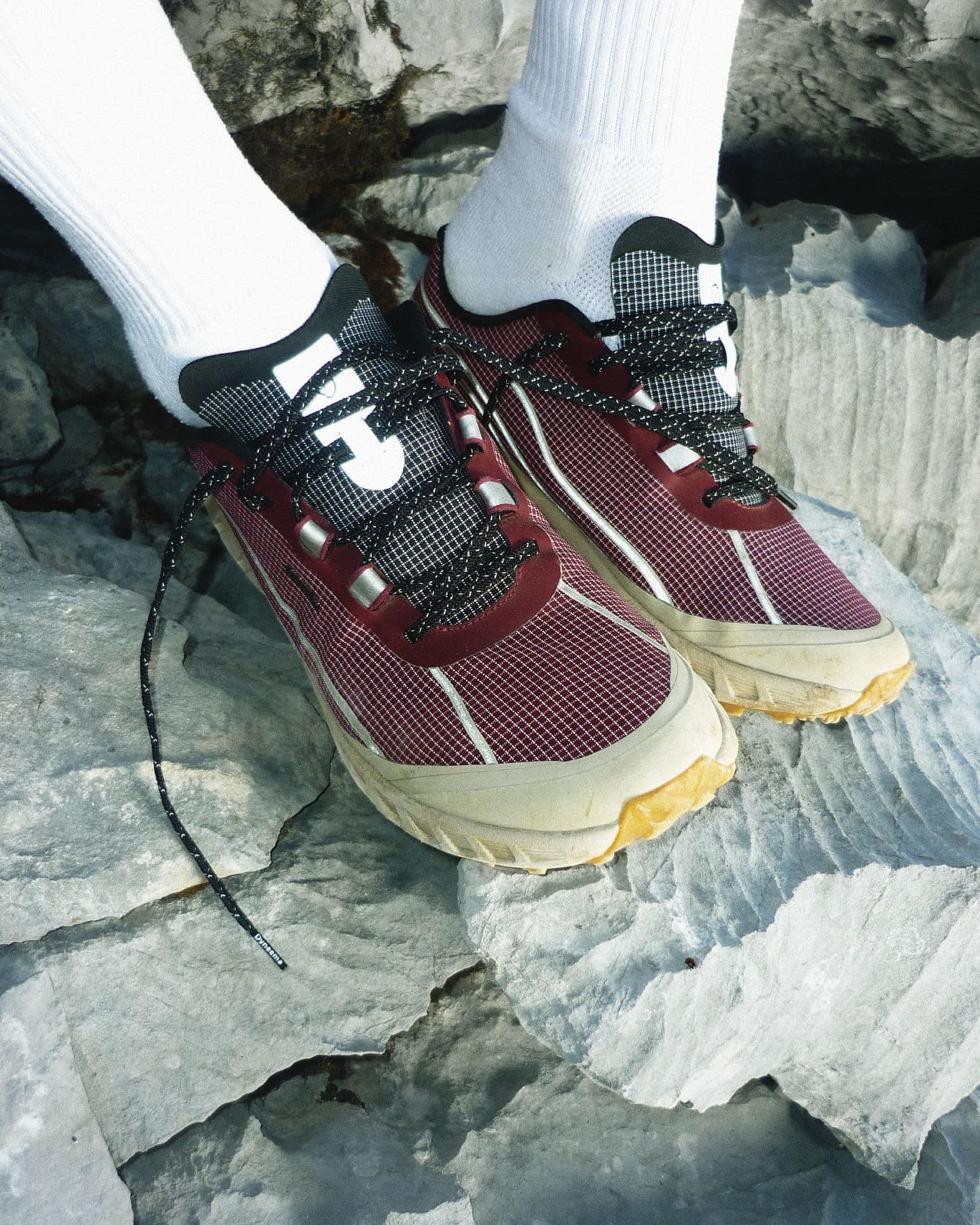
Norda — Ultra-durable trail running footwear using Dyneema®, minimalist design
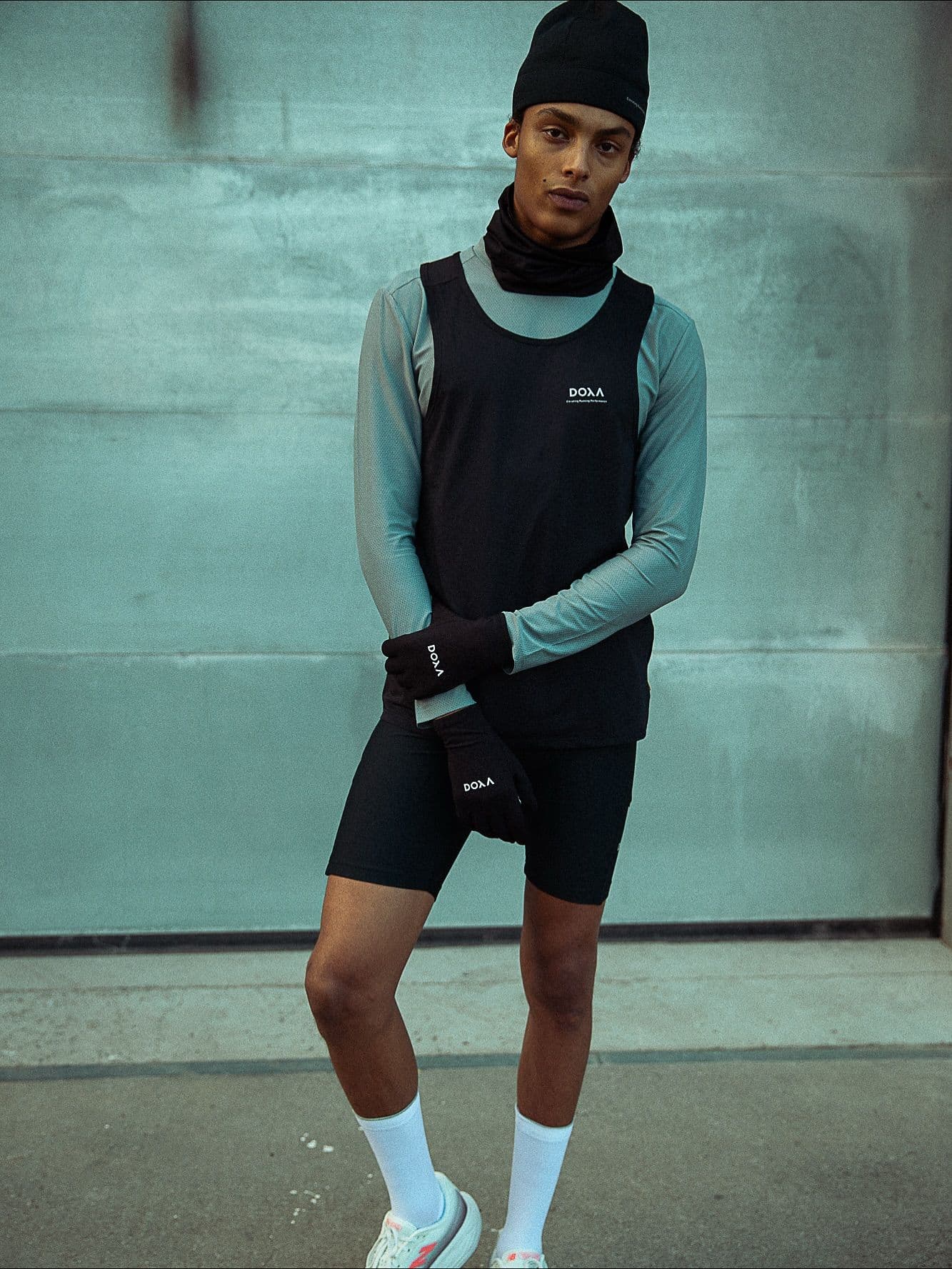
Doxa — minimalist, performance-driven apparel with a refined aesthetic
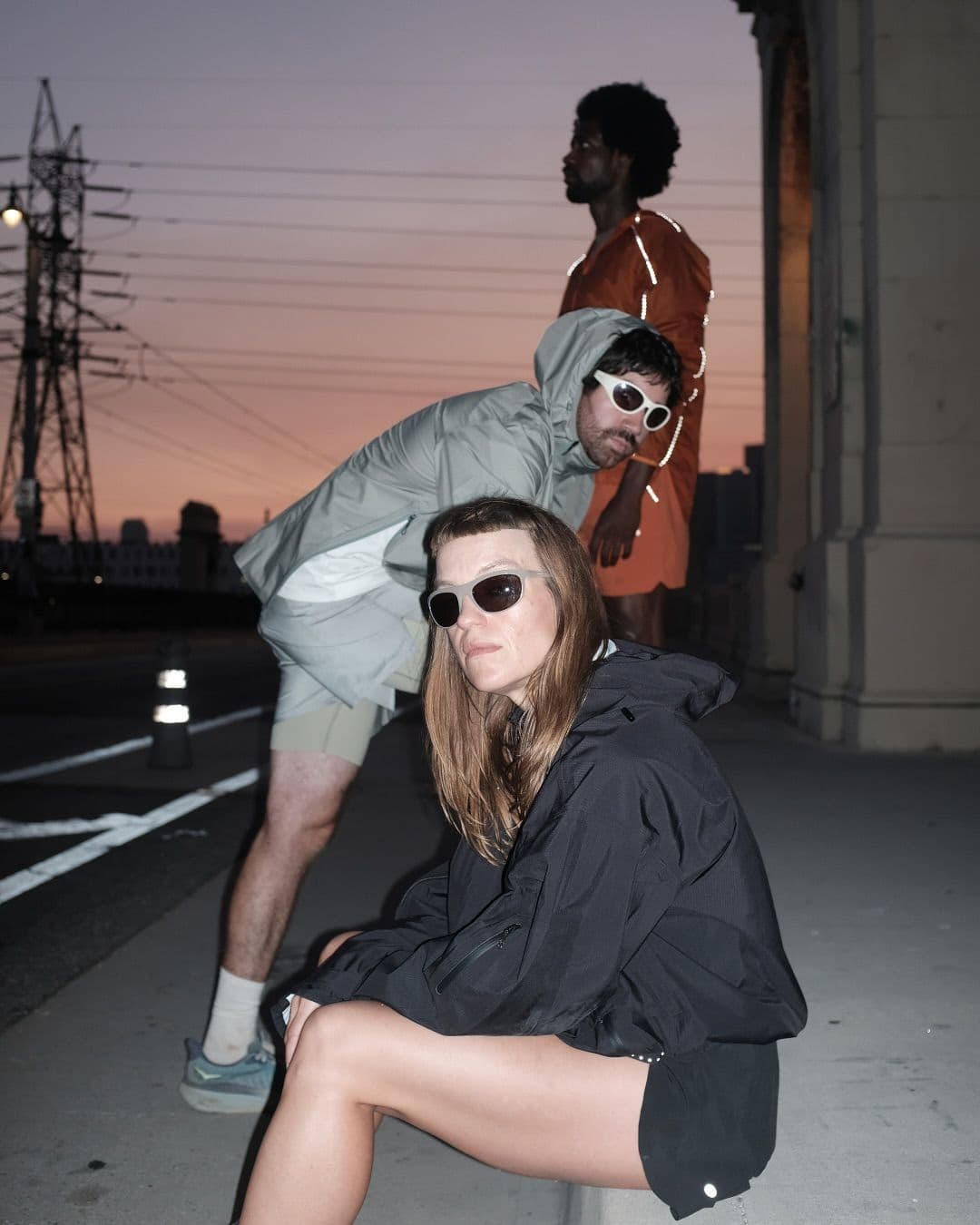
SUBI – blends utility, culture, and restraint—design-led performance wear
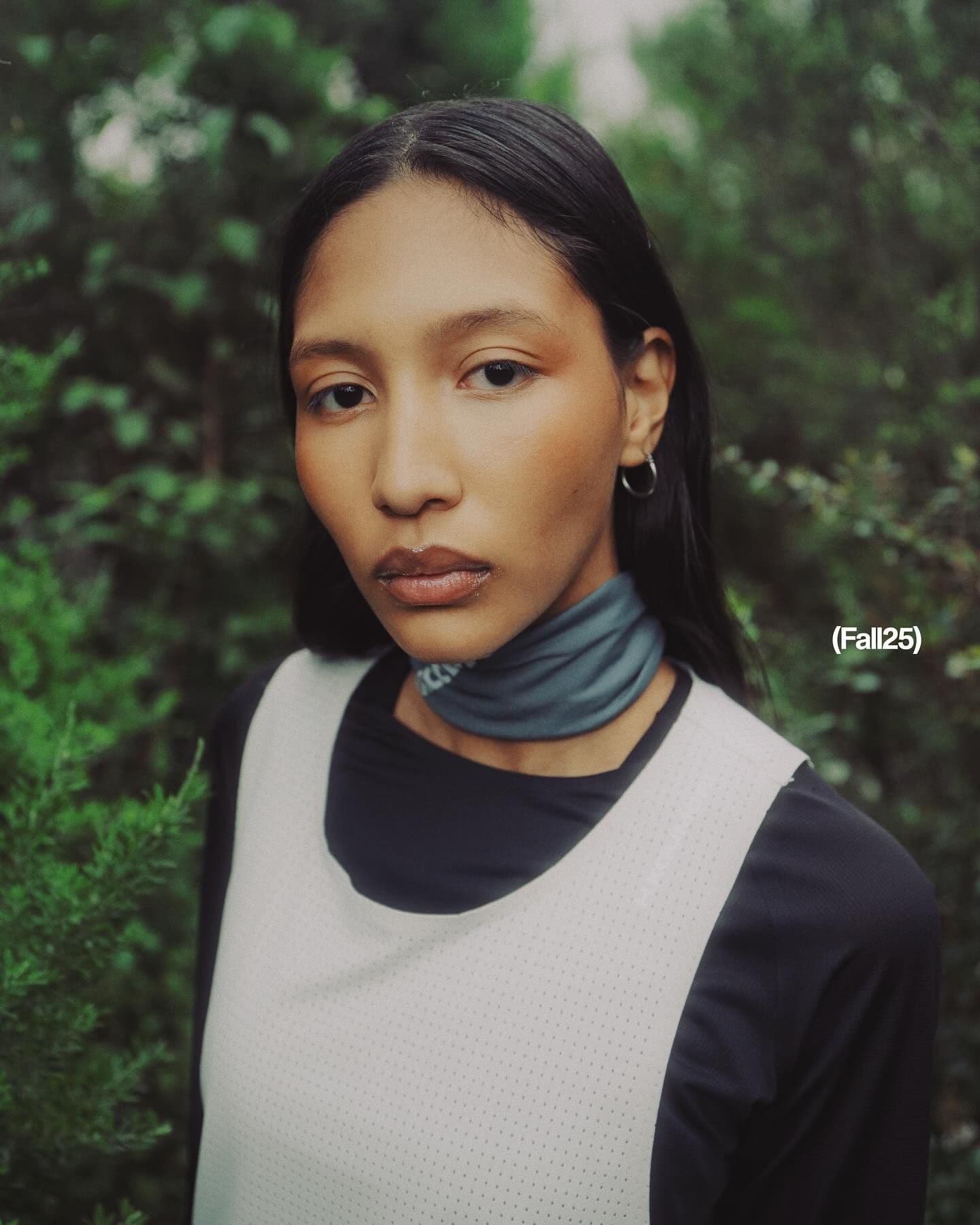
Hermanos Koumori — merges Mexican heritage with technical running apparel defined by bold, modern design
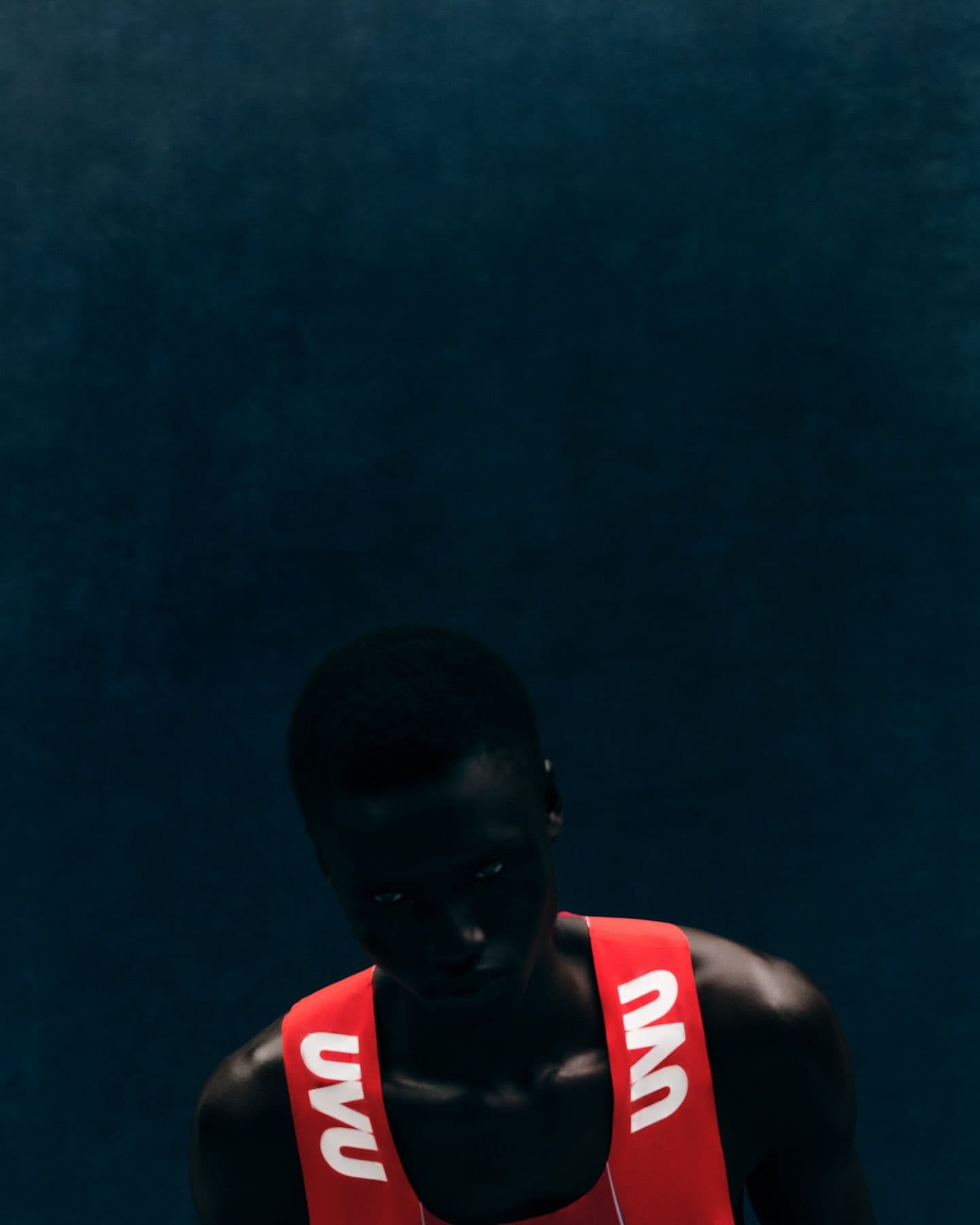
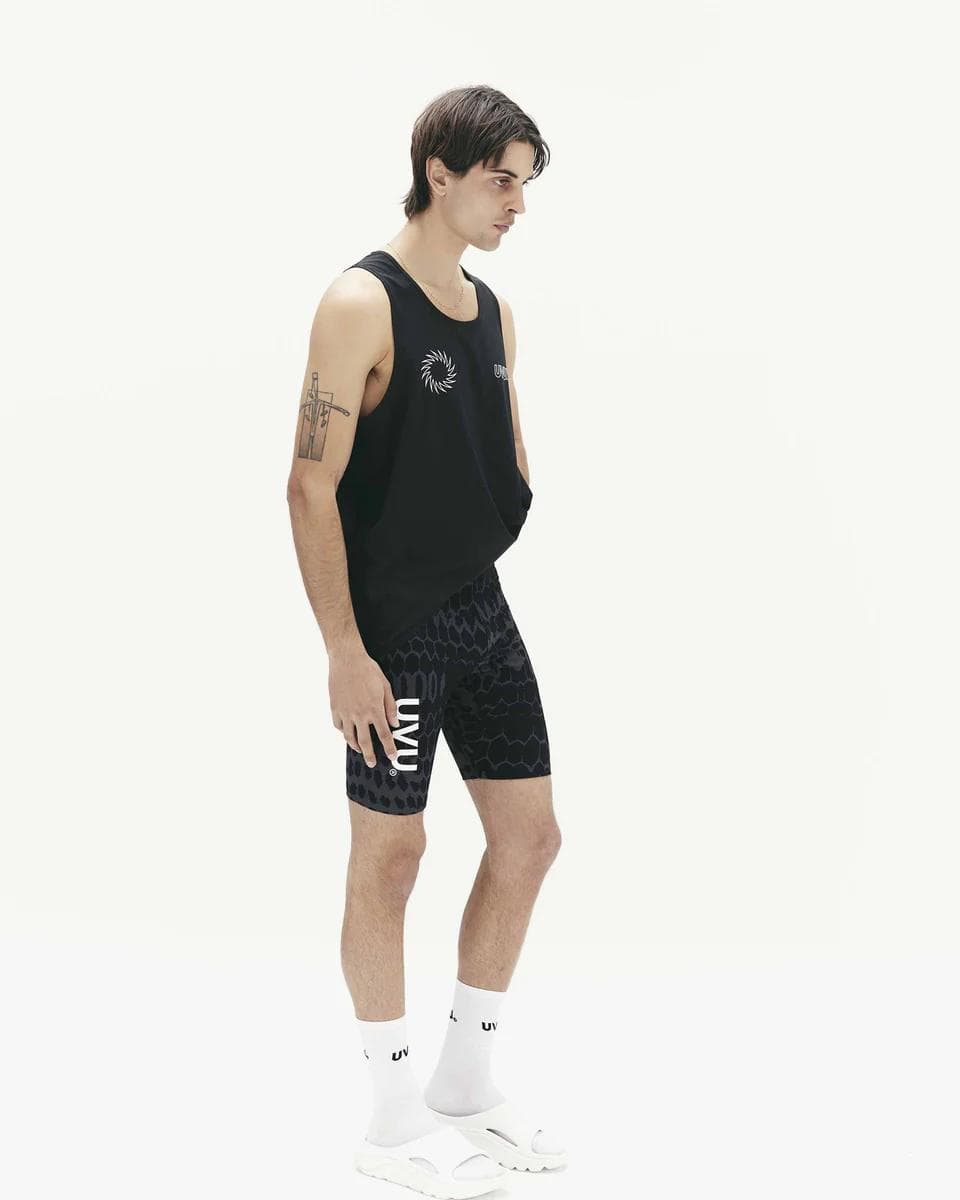
UVU — understated running apparel focused on comfort, durability, and clean design with limited drops
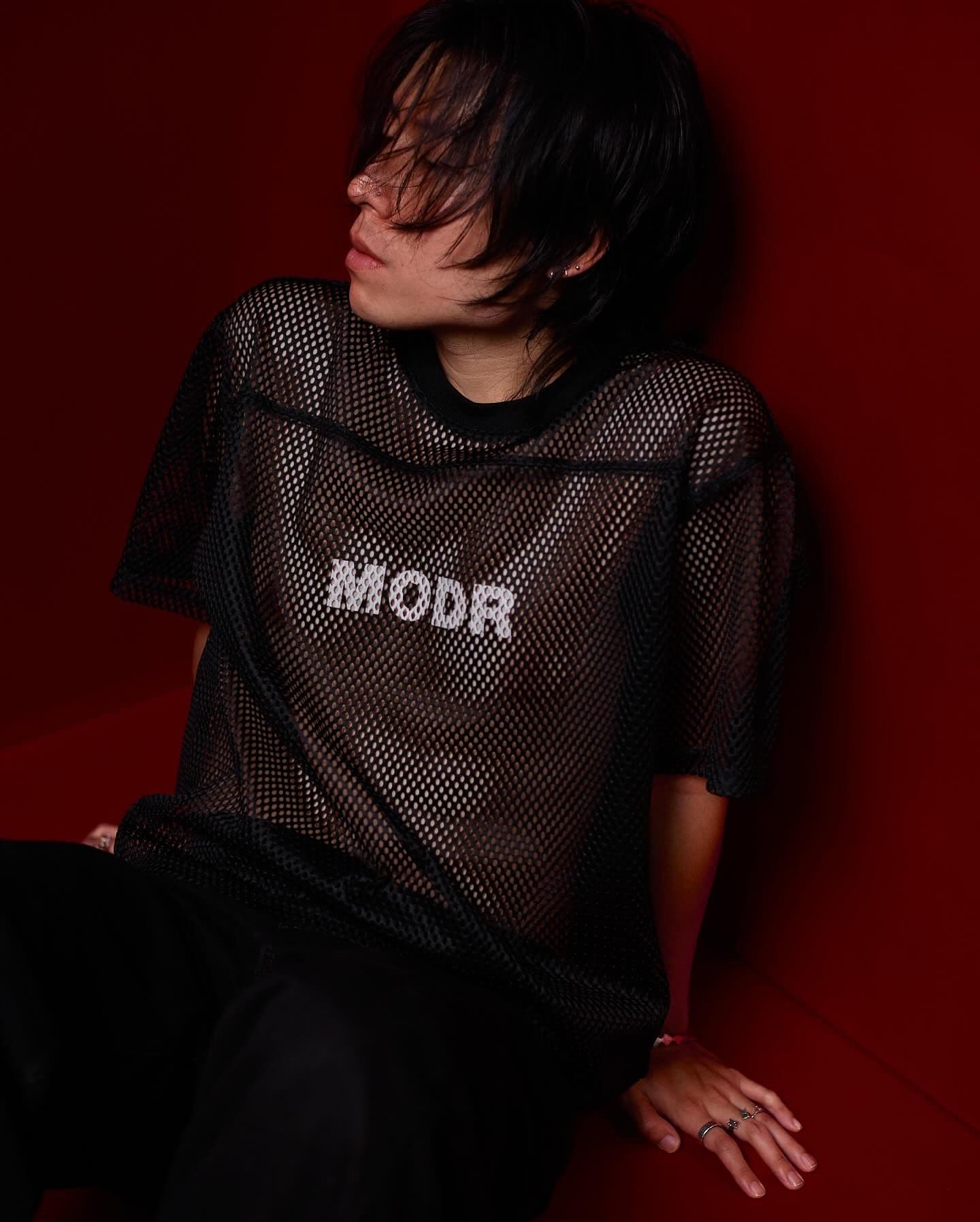
Museum of Distance Running — endurance culture through thoughtful design, archival references, and performance apparel rooted in the poetry of long miles
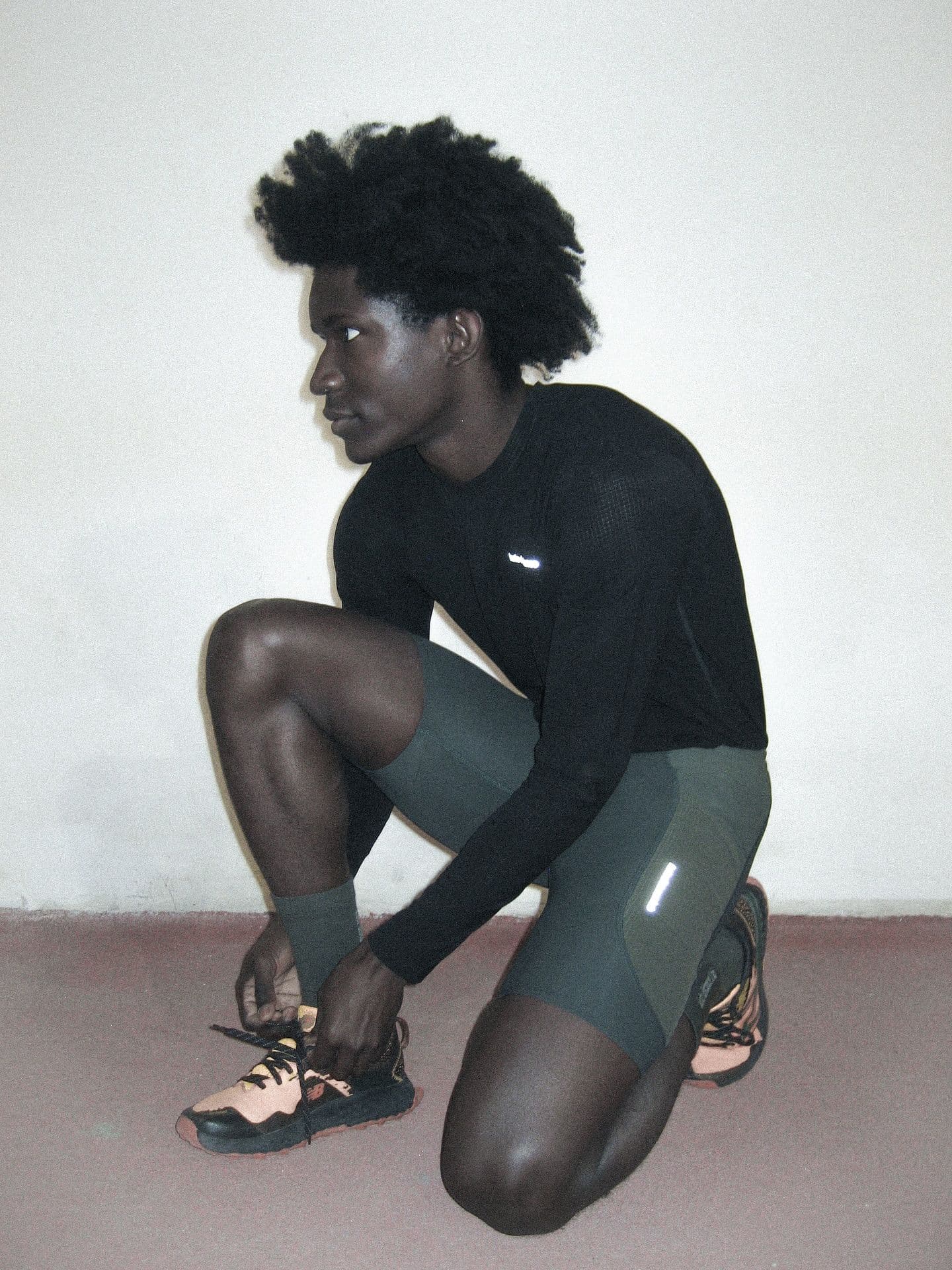
Kuta Distance Lab — blends Bali’s running culture with modern performance
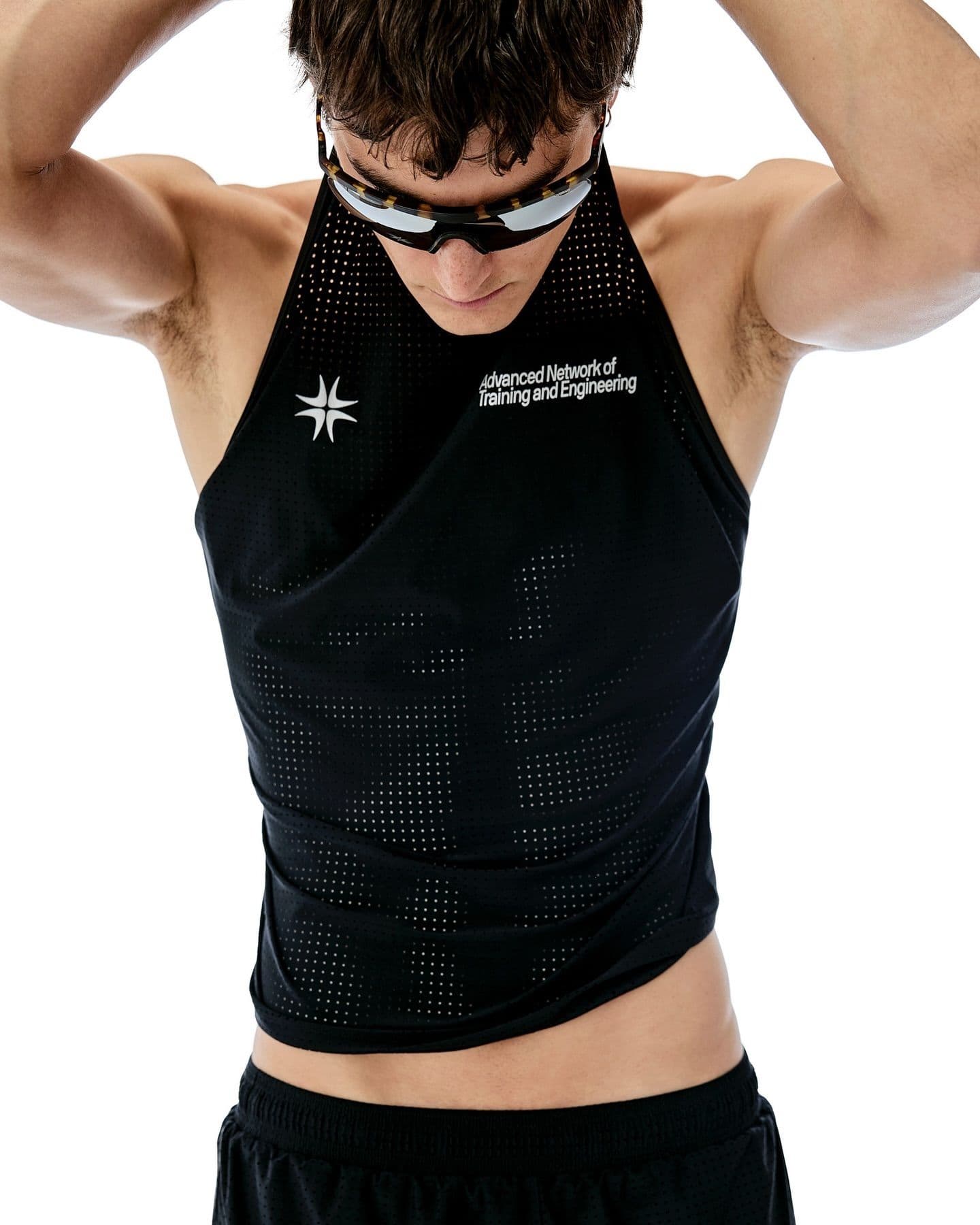
Ante — minimalist, design-driven running apparel rooted in city culture—technical, understated pieces from Berlin
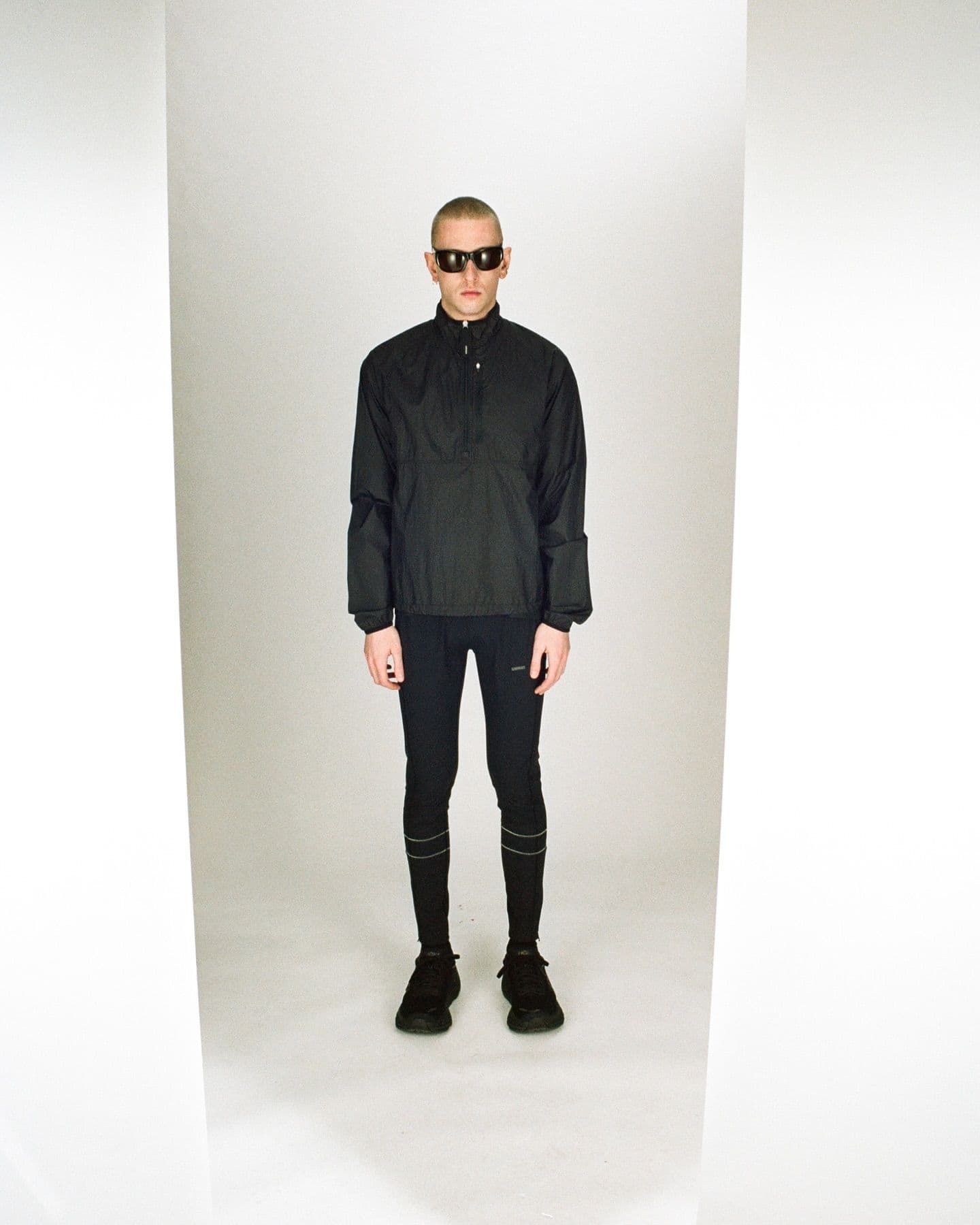
UNNA — blends performance and joyful design with a refined, minimalist approach

Running Order — clean, functional running apparel with a modern edge
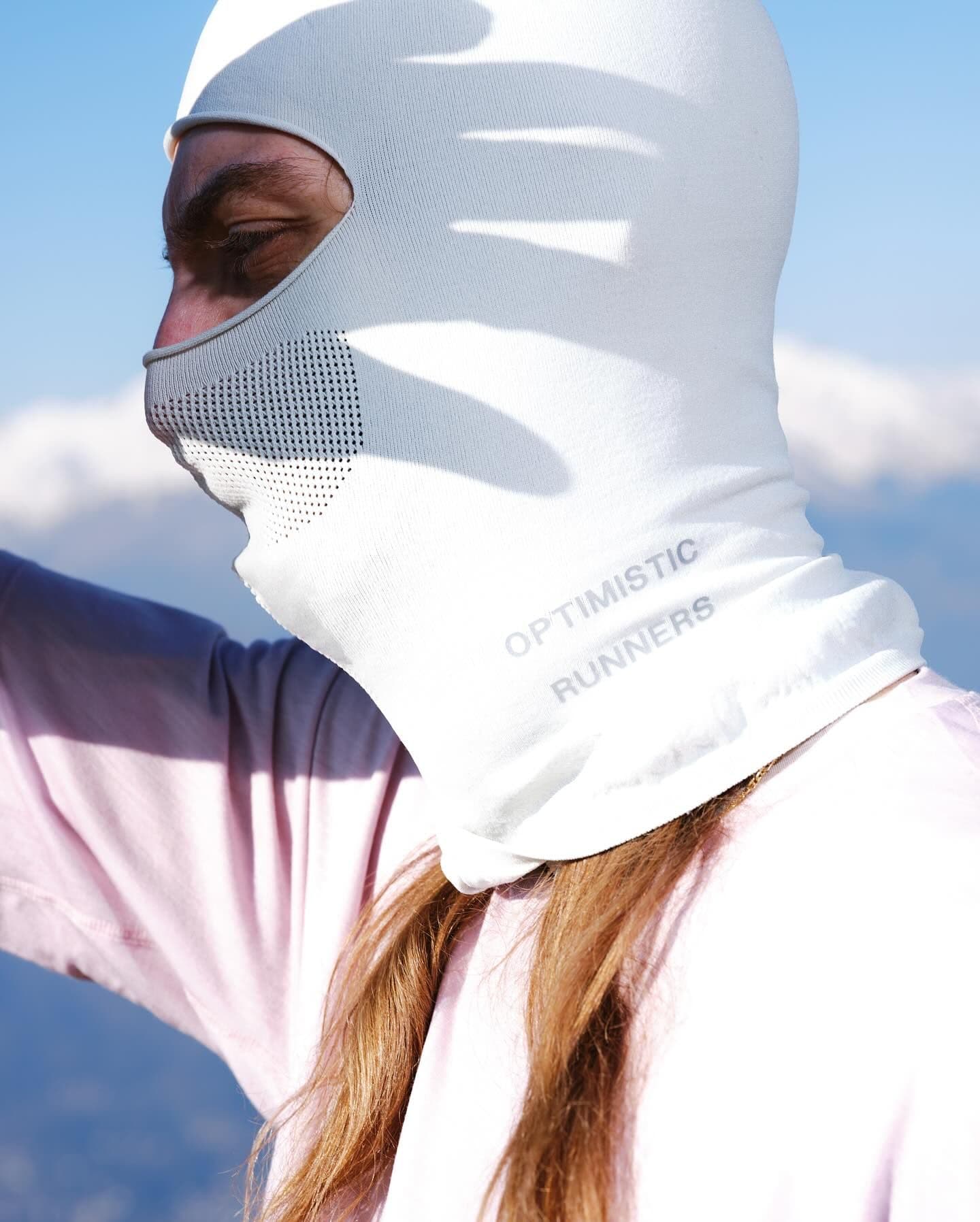
Optimistic Runners — blends positivity and performance, creating thoughtful running apparel rooted in community, movement, and a forward-looking mindset
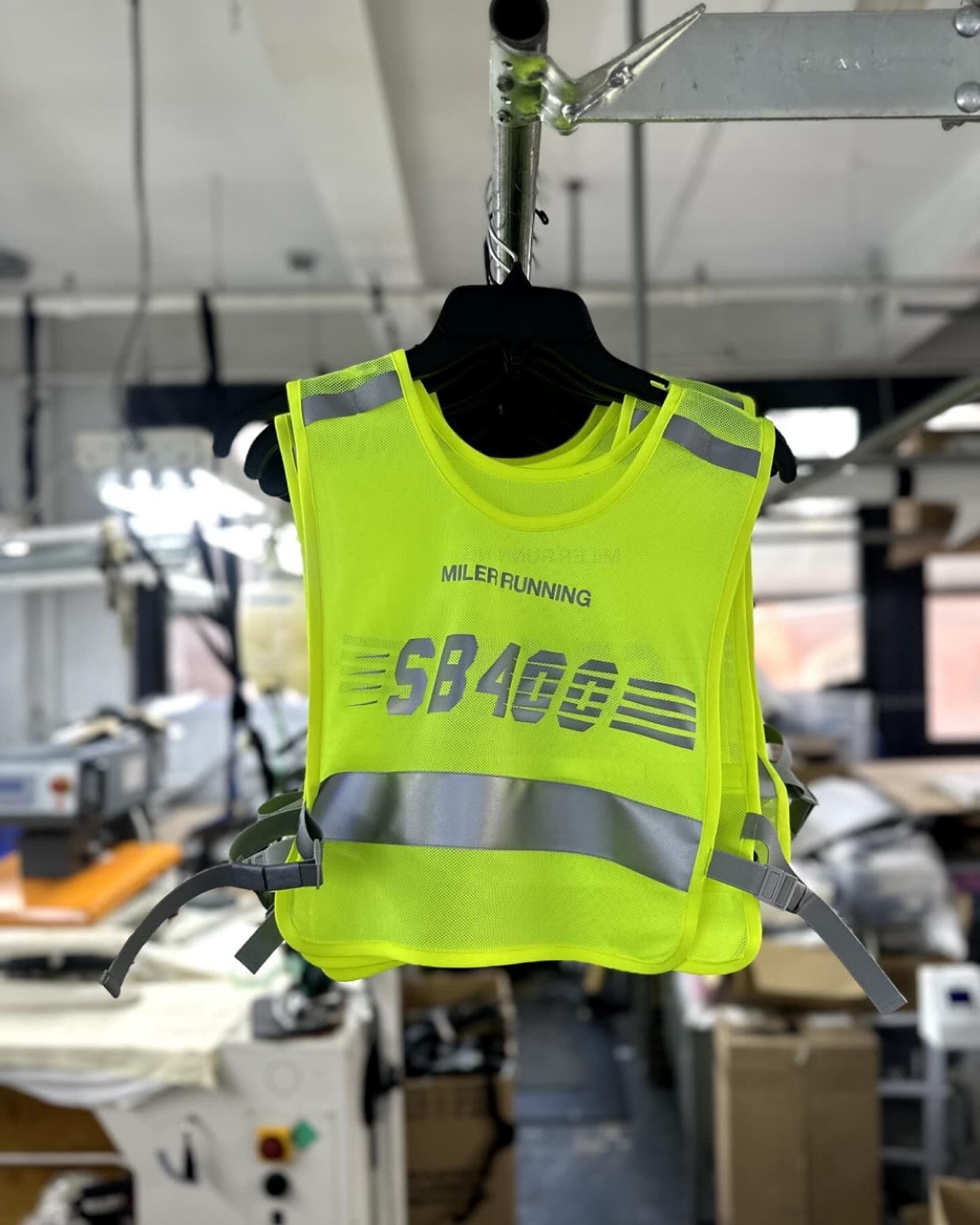
Miler Running — modern, performance-driven apparel with a refined aesthetic

Tiempos — clean design, technical fabrics, and a modern approach to everyday movement

Clobber Supply — bold, culture-driven running apparel that blends performance with street sensibility
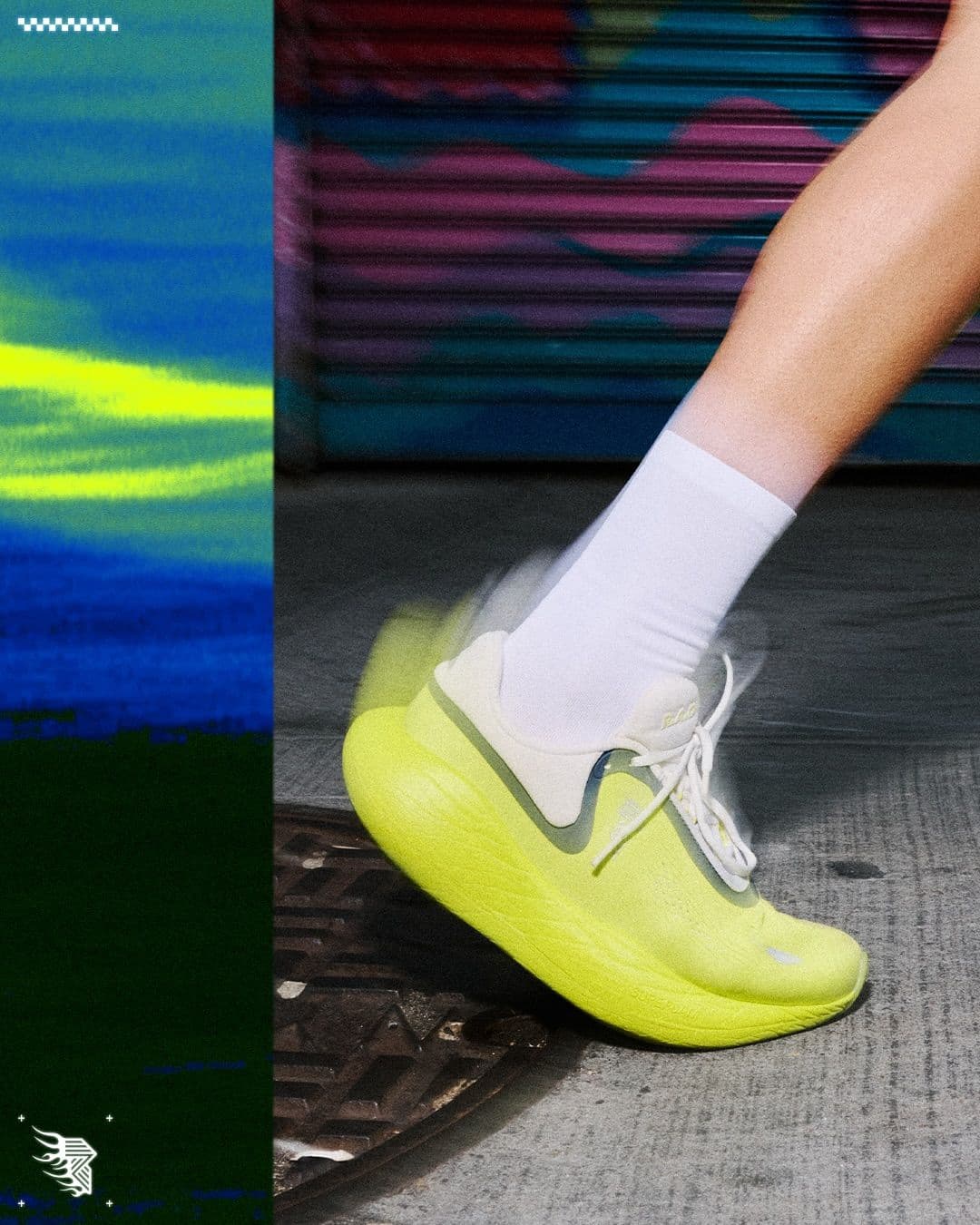
R.A.D. Running — bold, performance-led footwear built for speed and versatility
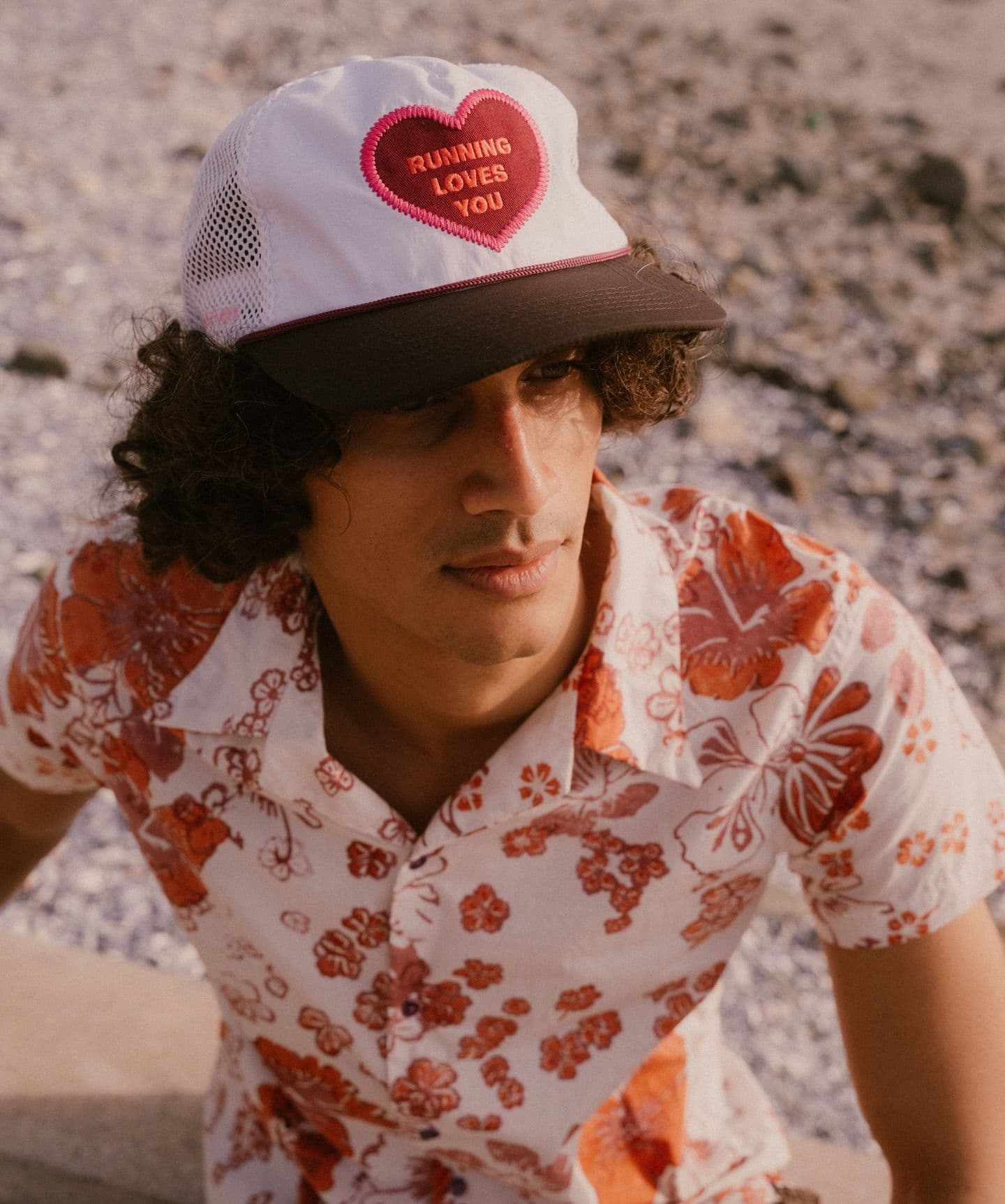
Alex Zono — playful clean silhouettes, technical fabrics, and a design-led approach to running
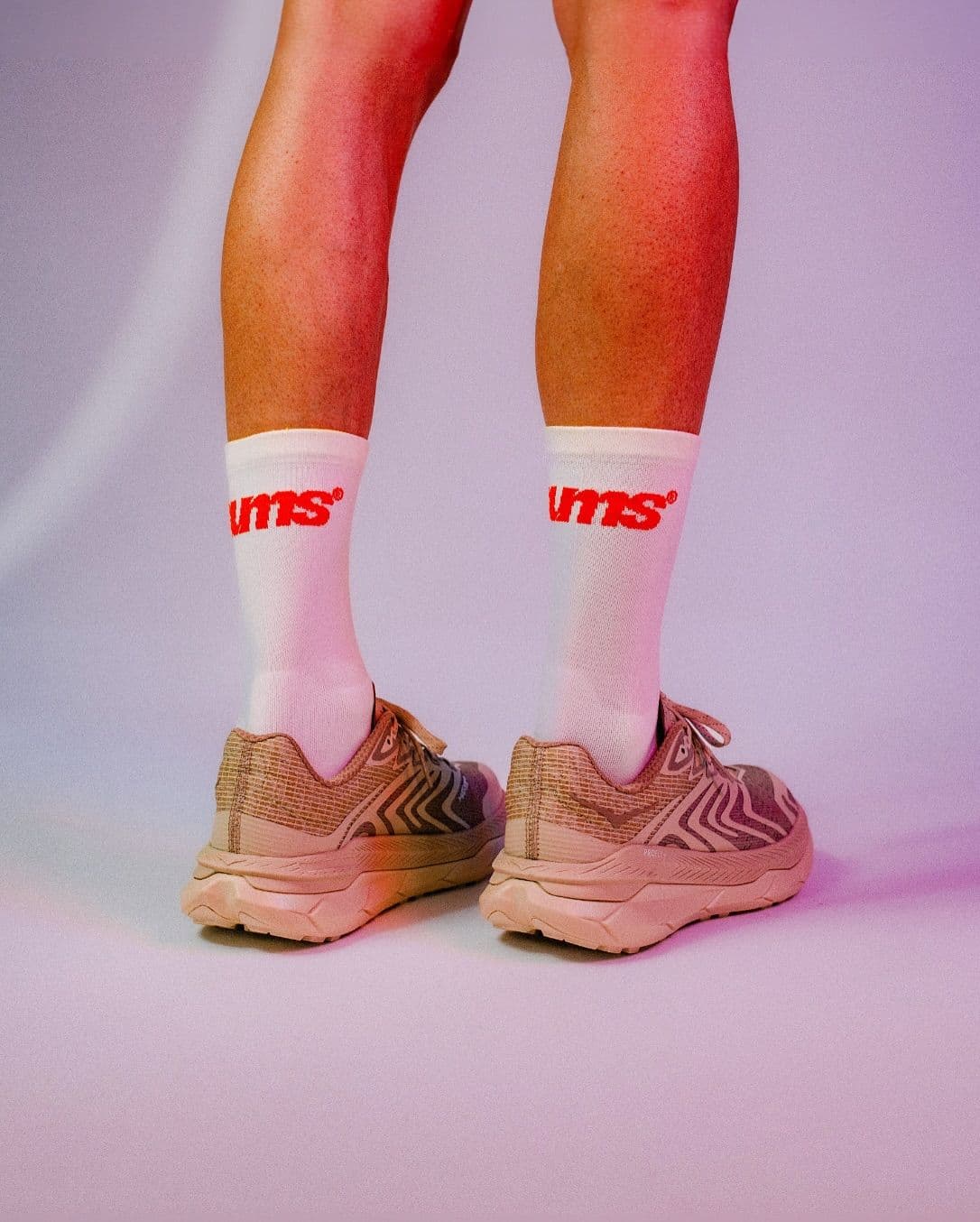
SUMS® — minimalist, performance-focused running socks
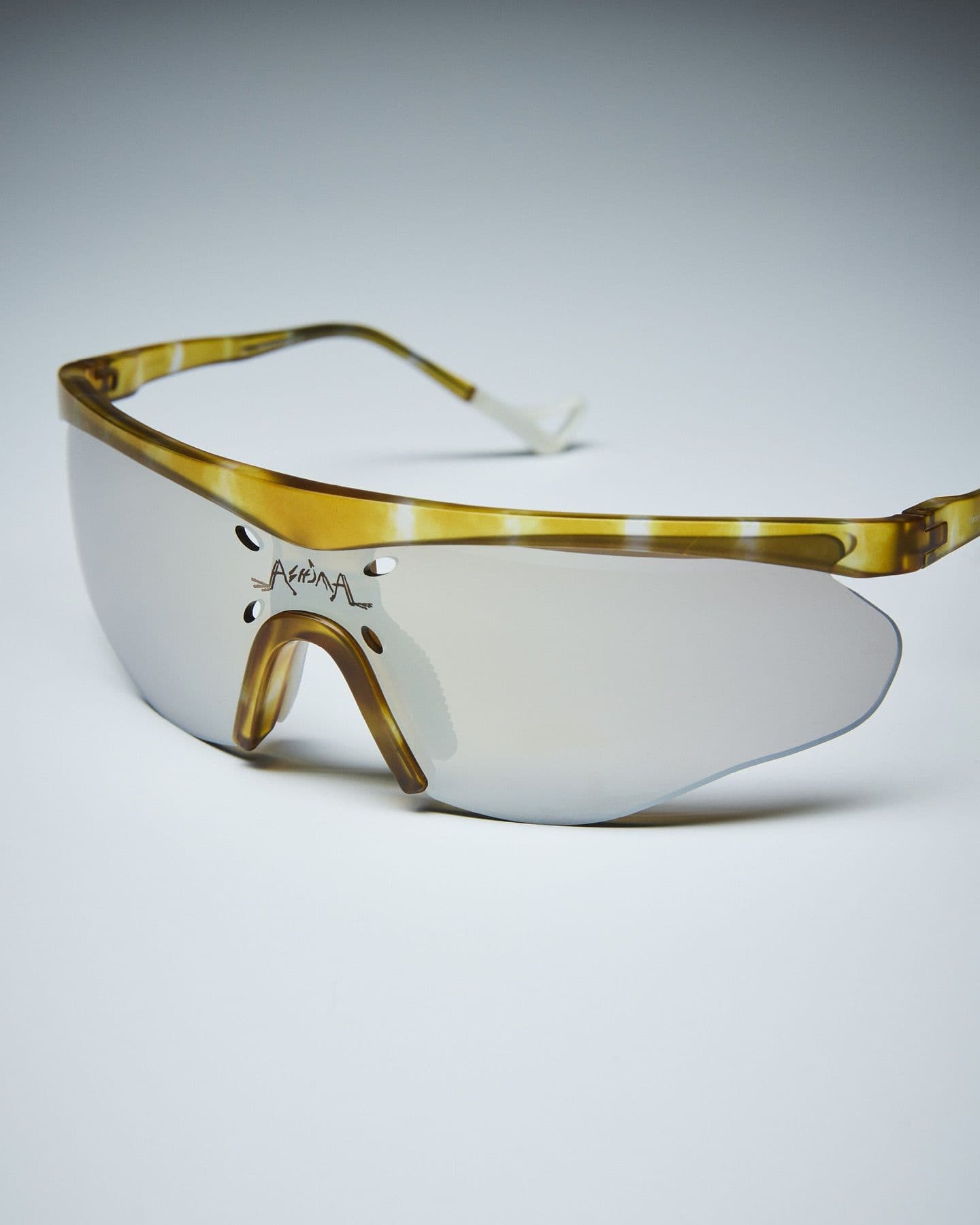
District Vision — performance eyewear with mindfulness, creating precision-crafted gear for runners
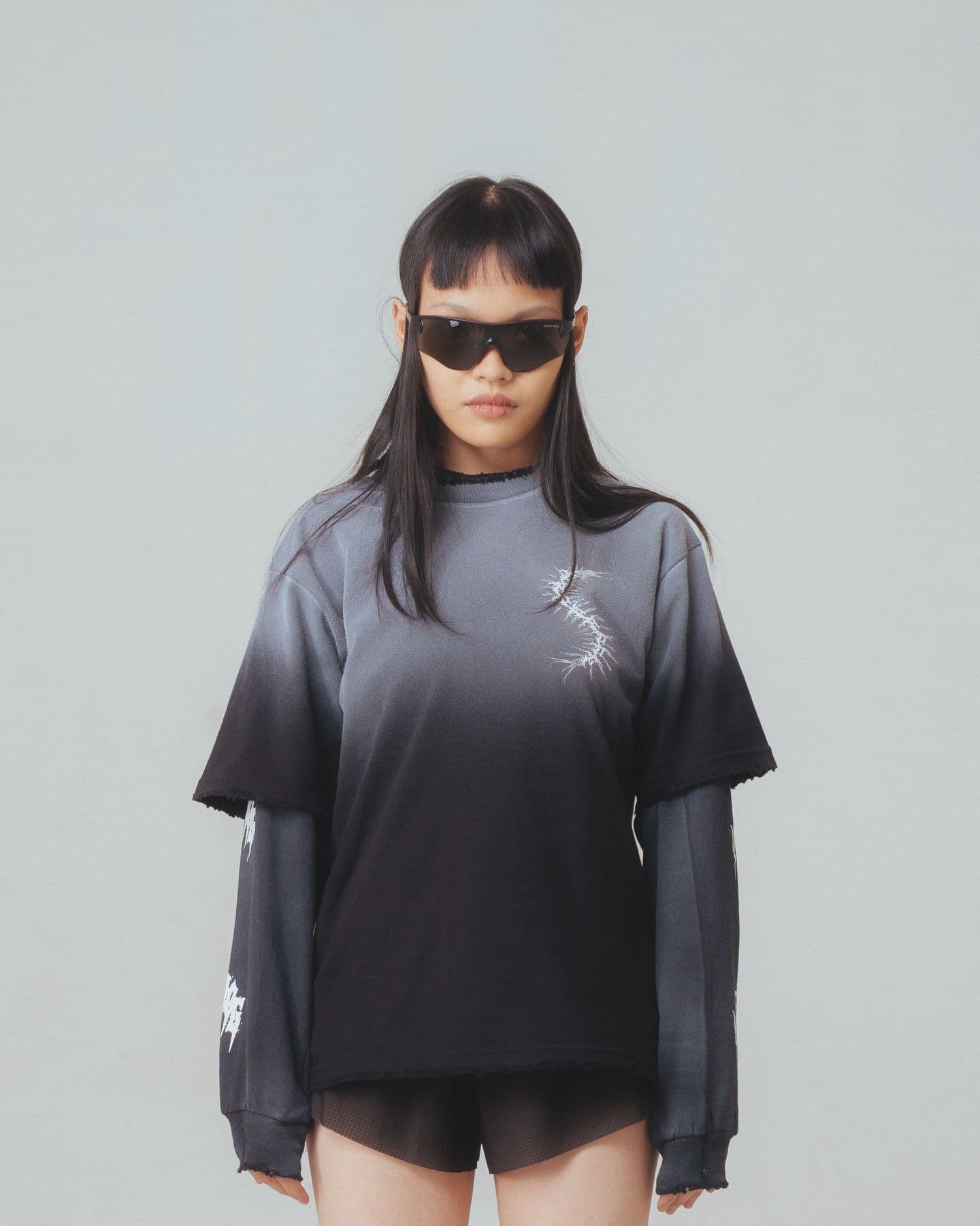
Distortion Miles — experimental graphics with performance running apparel—bold, expressive pieces
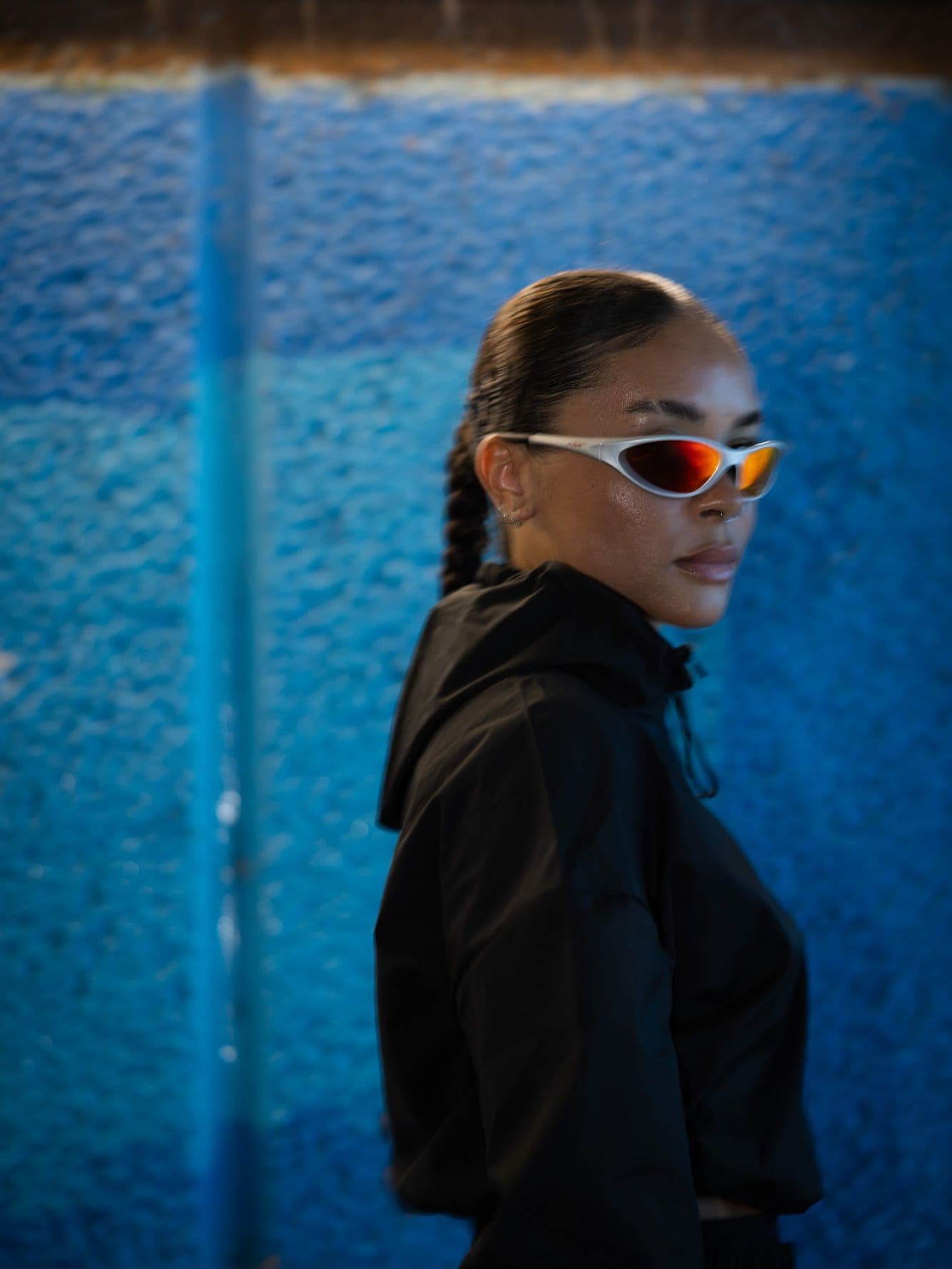
Always in Motion — understated, technical running eyewear focused on versatility and flow
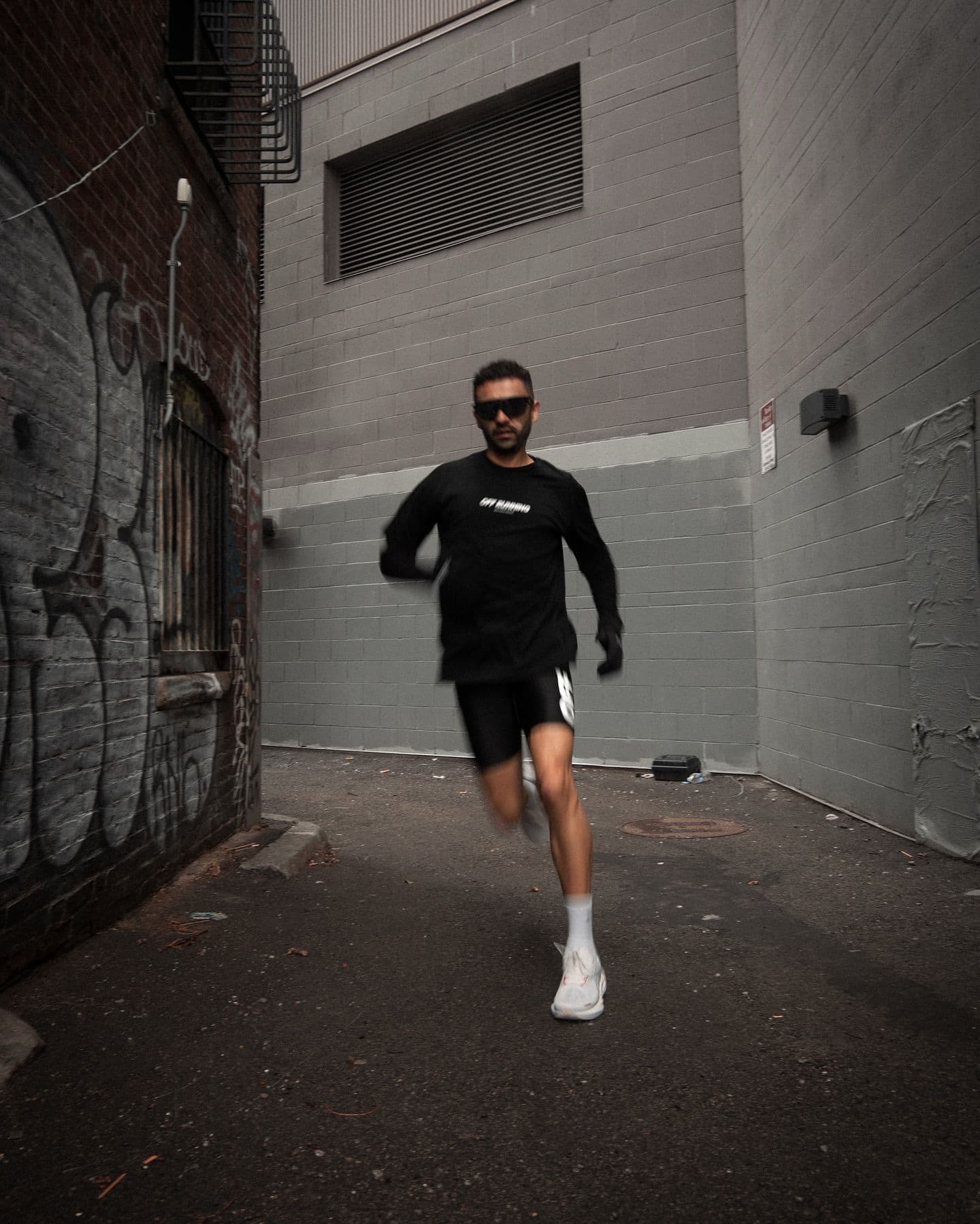
OFF Running — functional, no-nonsense running apparel with a stripped-back aesthetic
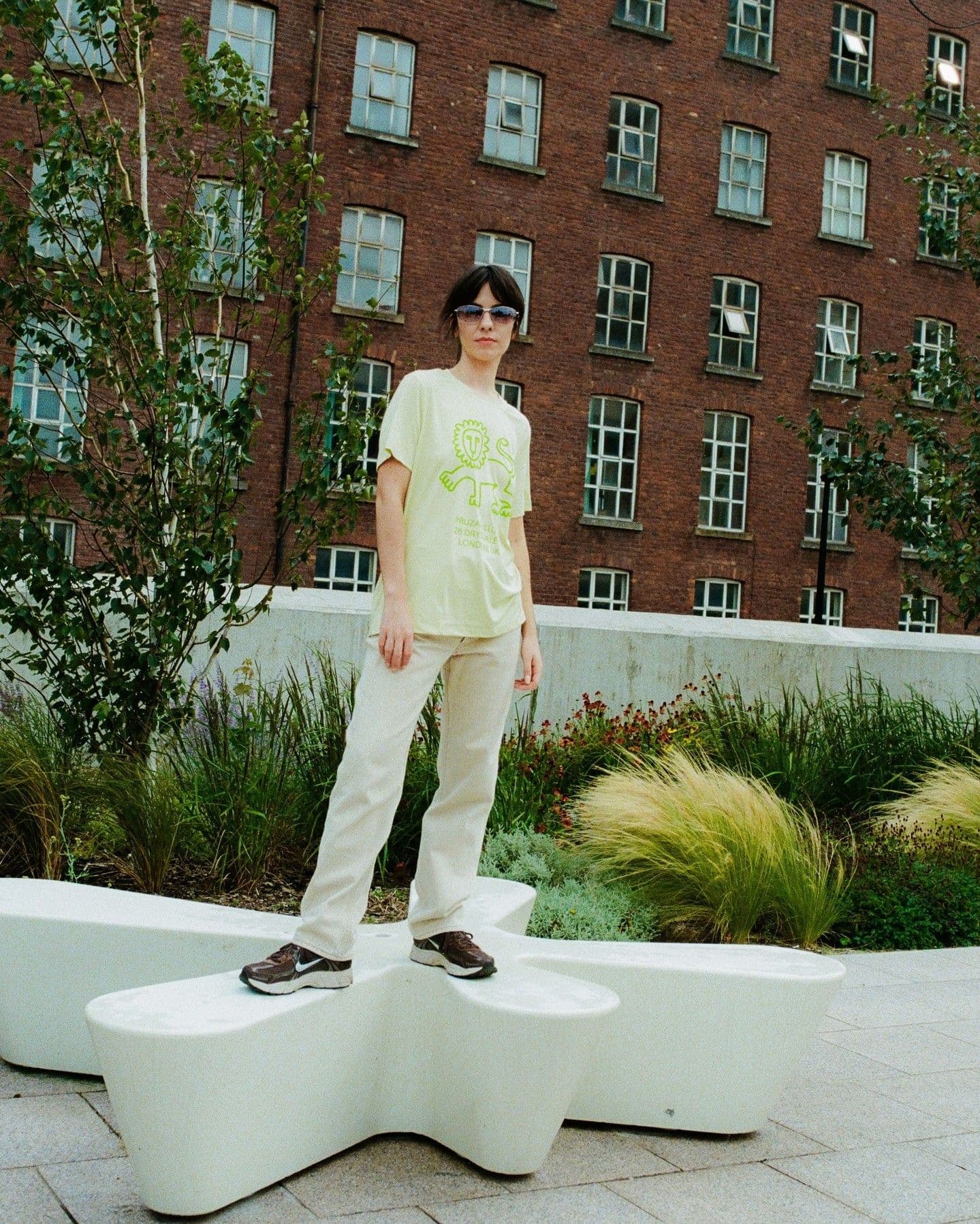
Pruzan Running — women-focused performance apparel rooted in simplicity and technical essentials
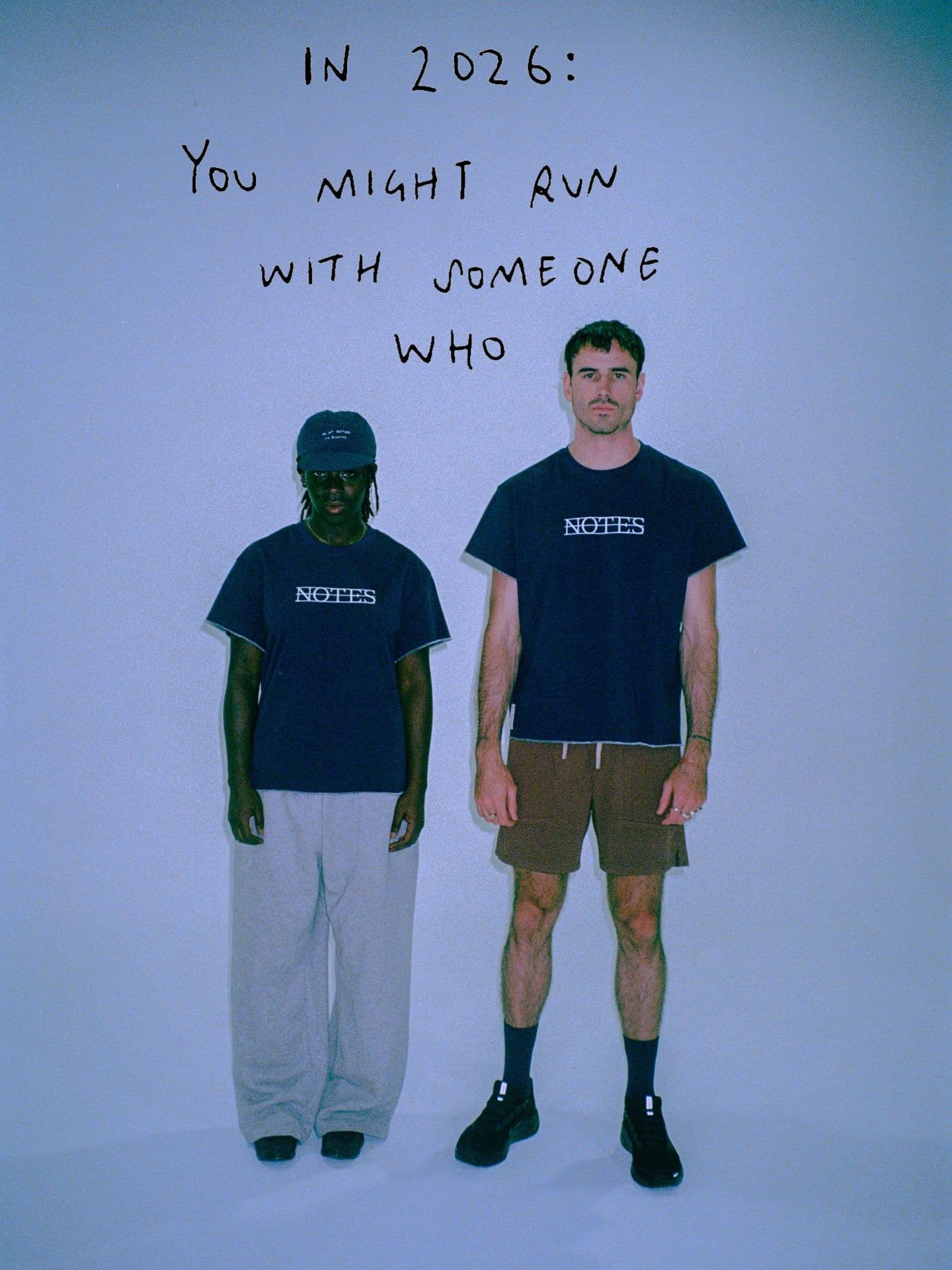
NOTES — minimalist design with performance essentials

Wyrd — expressive running apparel that blends performance with narrative design
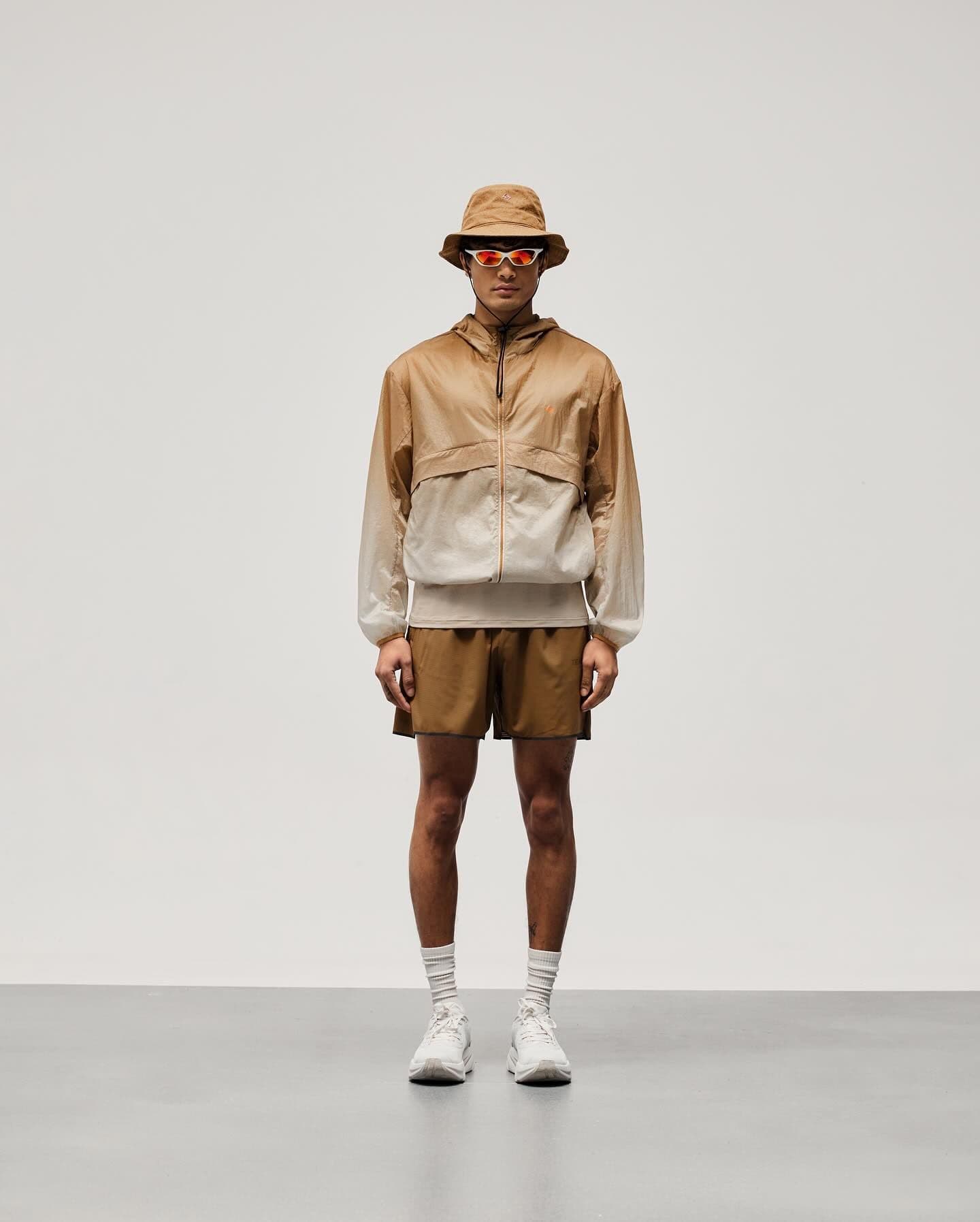
247 Represent — modern, culture-led running apparel built for everyday consistency
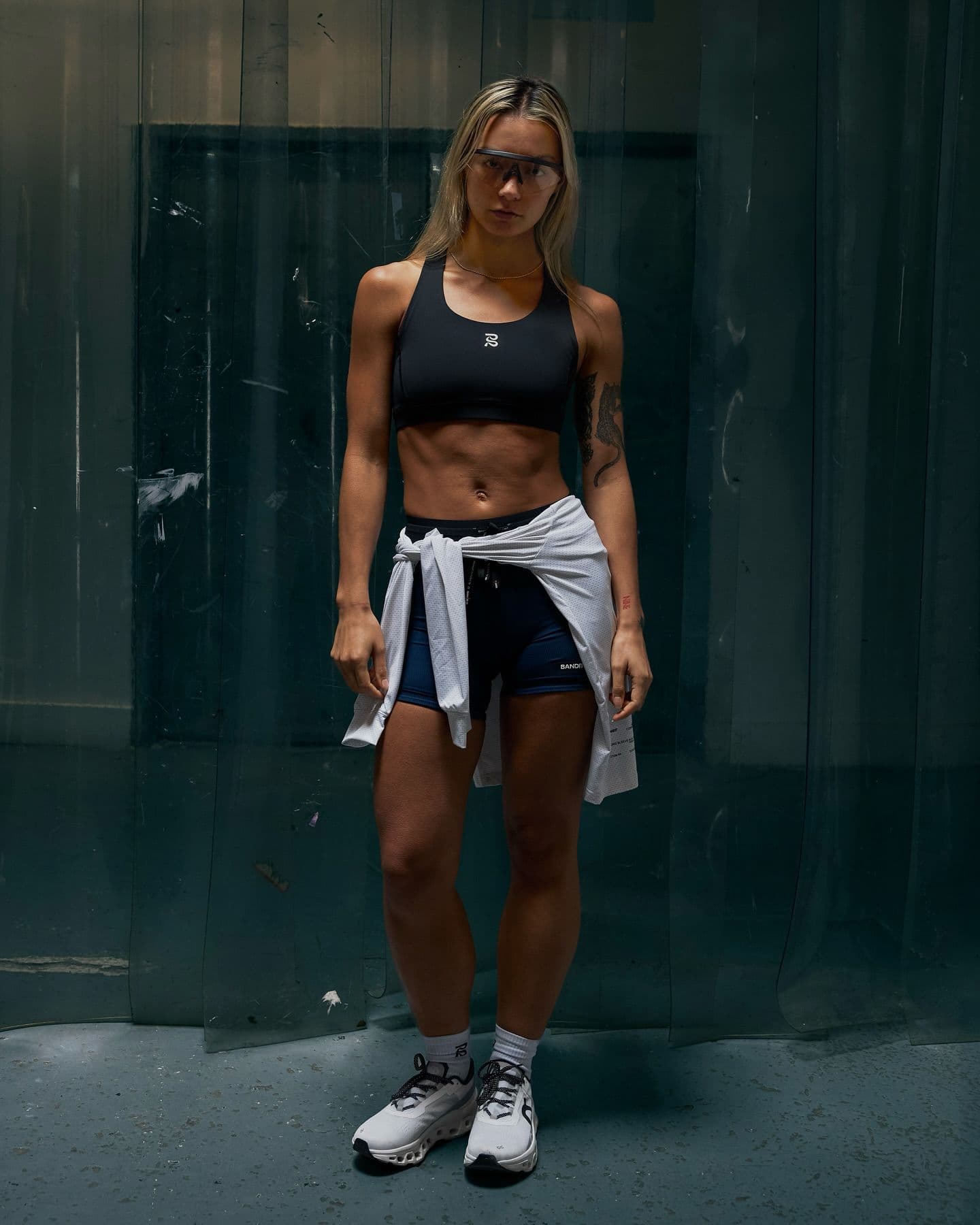
Research Studio — experimental, design-forward running eyewear

4T2 — stripped-back, functional running apparel
These brands often bypass the traditional retail playbook — launching through direct-to-consumer channels, leveraging online communities, and letting storytelling be as important as technical specs.

Designed for the Long Run
What separates modern running apparel is not just how it performs, but how long it remains relevant.
These pieces are built to be worn repeatedly, weathered naturally, and kept in rotation—not replaced. They favor timeless construction over seasonal graphics. The emphasis is on durability, breathability, and comfort that lasts longer than a training cycle.
Running, after all, is cumulative. So is good design.
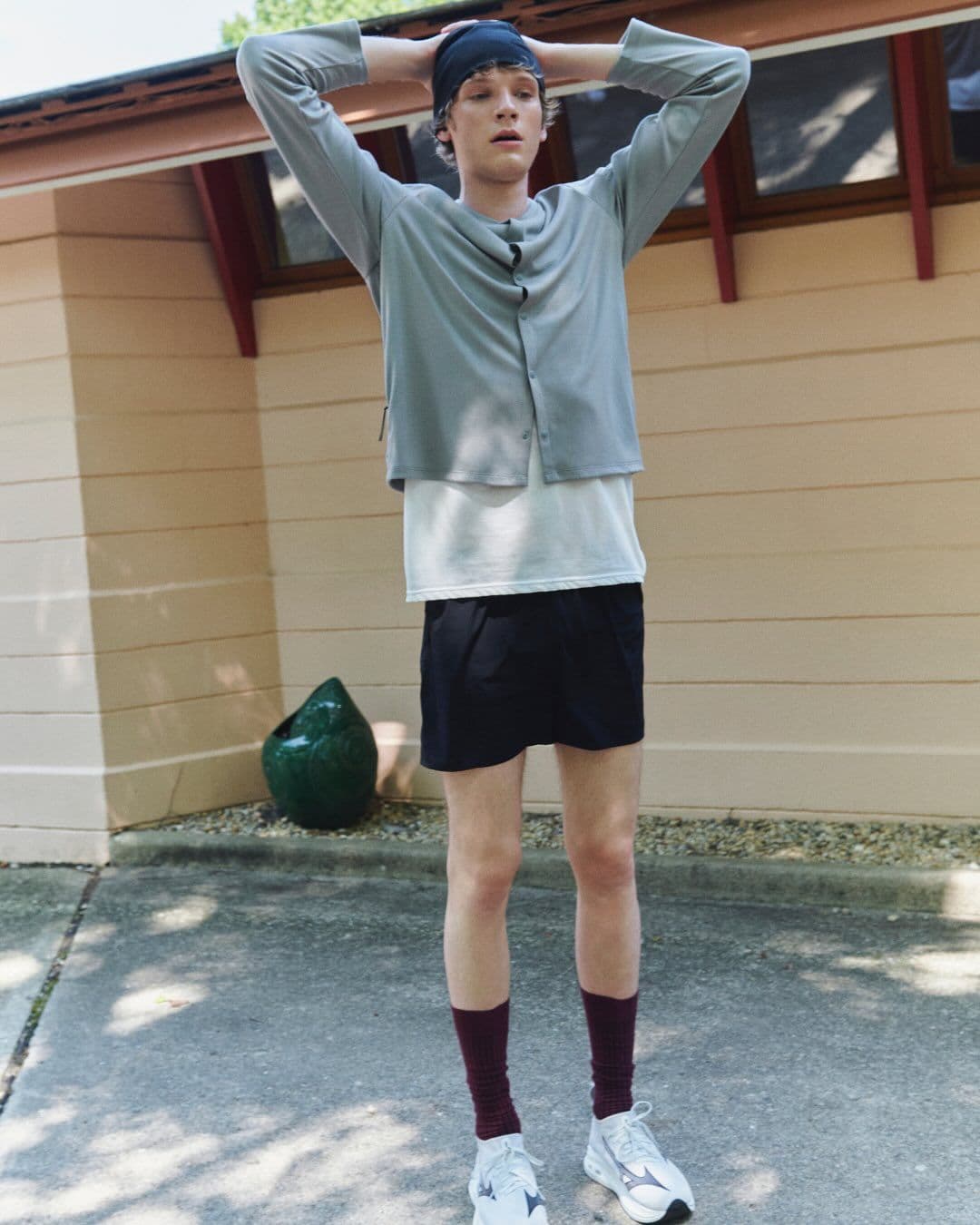
A Quiet Standard for Modern Sportwear
Running may not demand attention, but it rewards commitment. The apparel surrounding it increasingly reflects that same ethic.
In a broader sportwear landscape, running has become a benchmark—where materials are tested honestly, design decisions are accountable, and excess is quickly exposed. What works survives. What doesn’t fades fast.
This is why running apparel has become one of the most quietly influential categories shaping how modern performance clothing looks, feels, and functions.
Not trend-led. Not logo-driven. Just refined, purposeful, and built to move.
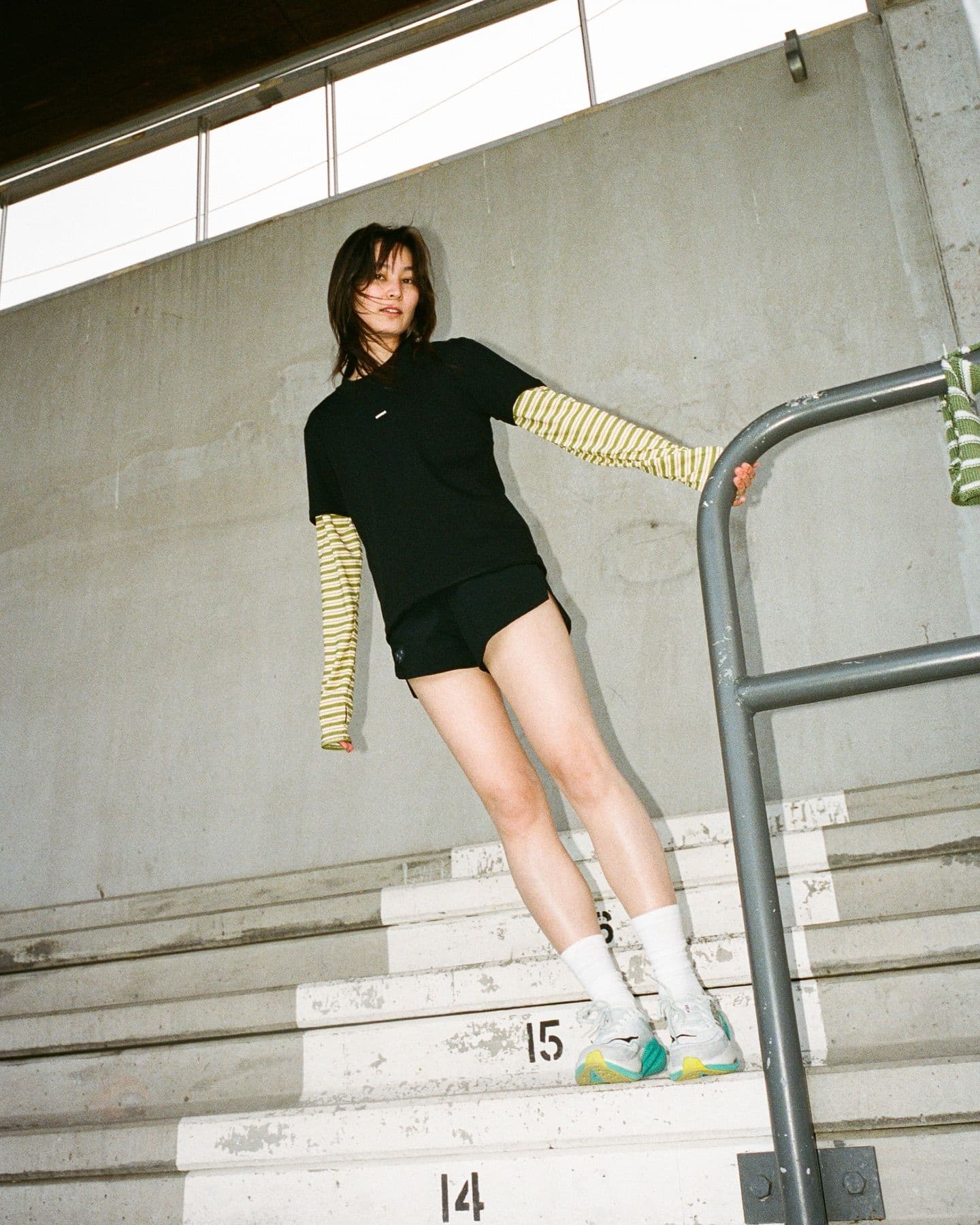
Running Isn’t Just Health — It’s Identity
Part of running’s popularity comes from how it fits into people’s sense of self. It’s:
- A way to challenge yourself
- A measure of progress over time
- A reason to explore new terrain
- A ritual that structures your week
And now, running has a visual identity too. The gear — from sleek singlets and engineered shorts to thoughtfully designed outer layers — signals something beyond performance. It tells a story of movement, thoughtful living, and personal momentum.
That’s why runners now double as culture carriers — posting runs on social media, sharing routes, celebrating milestones, and curating their gear. Running has become something worth showing, not just doing.
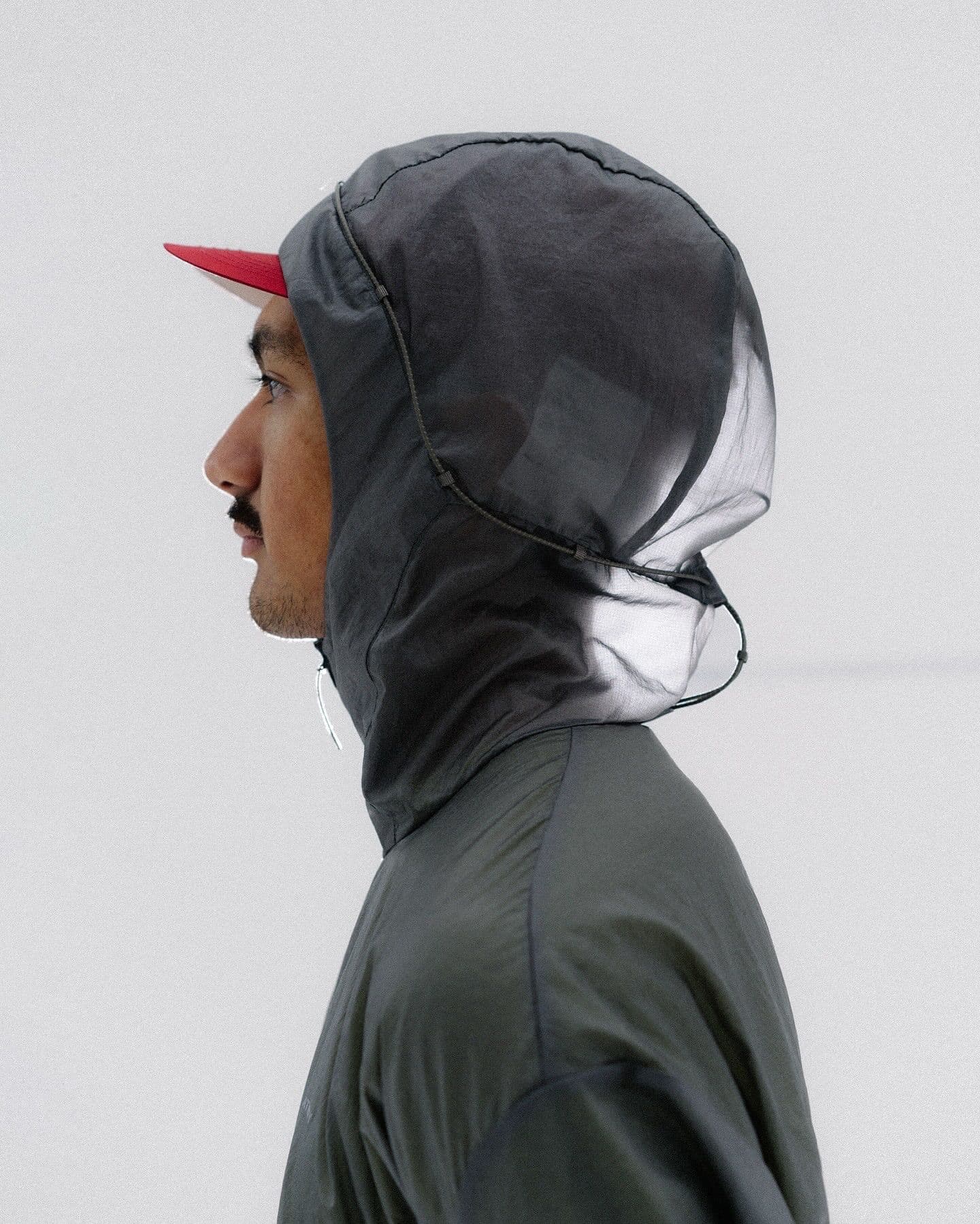
Cool — But Not Just Cool
It’s easy to ask whether running is “cool.” On the surface, seeing stylish runners in carefully composed photos might suggest running has become a trend.
But “cool” itself isn’t the point.

Running’s popularity stems from accessibility layered with depth. It doesn’t require status, connections, or an expensive membership. You can run in worn-in shoes or high-end gear. It welcomes newcomers and seasoned athletes alike. Its culture is both inclusive and challenging — and that’s a rare combination.
Cool implies exclusivity. Running, by contrast, is accumulative — it privileges dedication over spectacle. It invites you to show up again and again, in whatever shoes you choose.

What This Moment Leaves Behind
Every cultural moment has an arc. Some trends fade; others integrate into the fabric of society. Running’s boom may evolve, but its core — the act of putting one foot in front of the other — will always endure.
As one observer put it: Running has always been what it is — approachable, elemental, and personal. Maybe it’s cool now. Or maybe it just feels like it because more of us are finally paying attention.
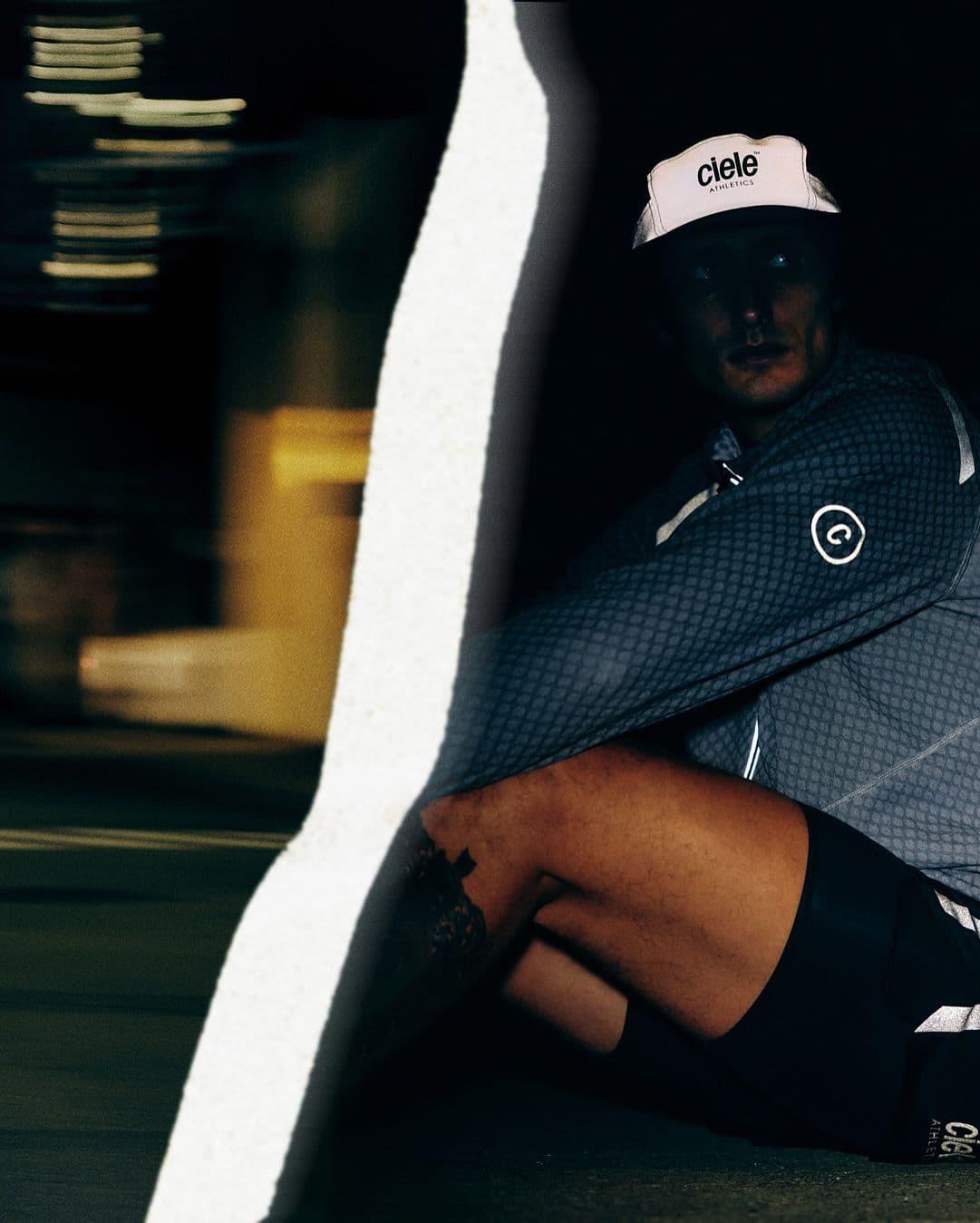
At the end of the day, whether running is “cool” or not doesn’t make it less meaningful. It’s simple, it’s honest, and it’s still fundamentally about progress — on the road, on the trail, and within yourself.