Court Couture: How Tenniscore Became Fashion’s Favorite Serve
Derek Siegel · January 16, 2026
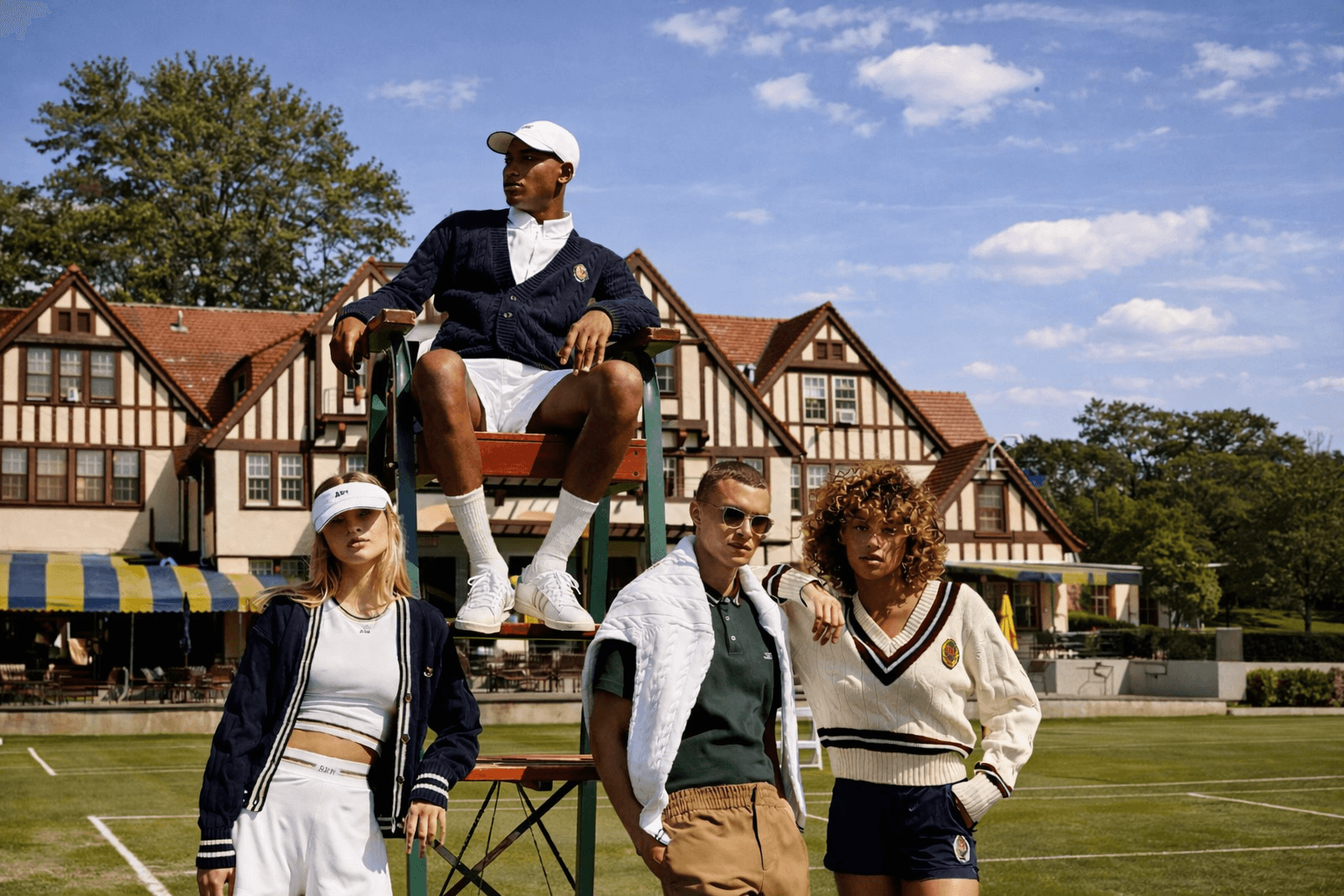
On sunlit clay and manicured grass, tennis has always been about precision: an elegant footwork here, a powerful serve there. But in recent seasons, the sport’s influence has leapt beyond courts and into closets worldwide, giving rise to a phenomenon stylists now call tenniscore or court couture — a chic intersection of athletic heritage and high fashion.
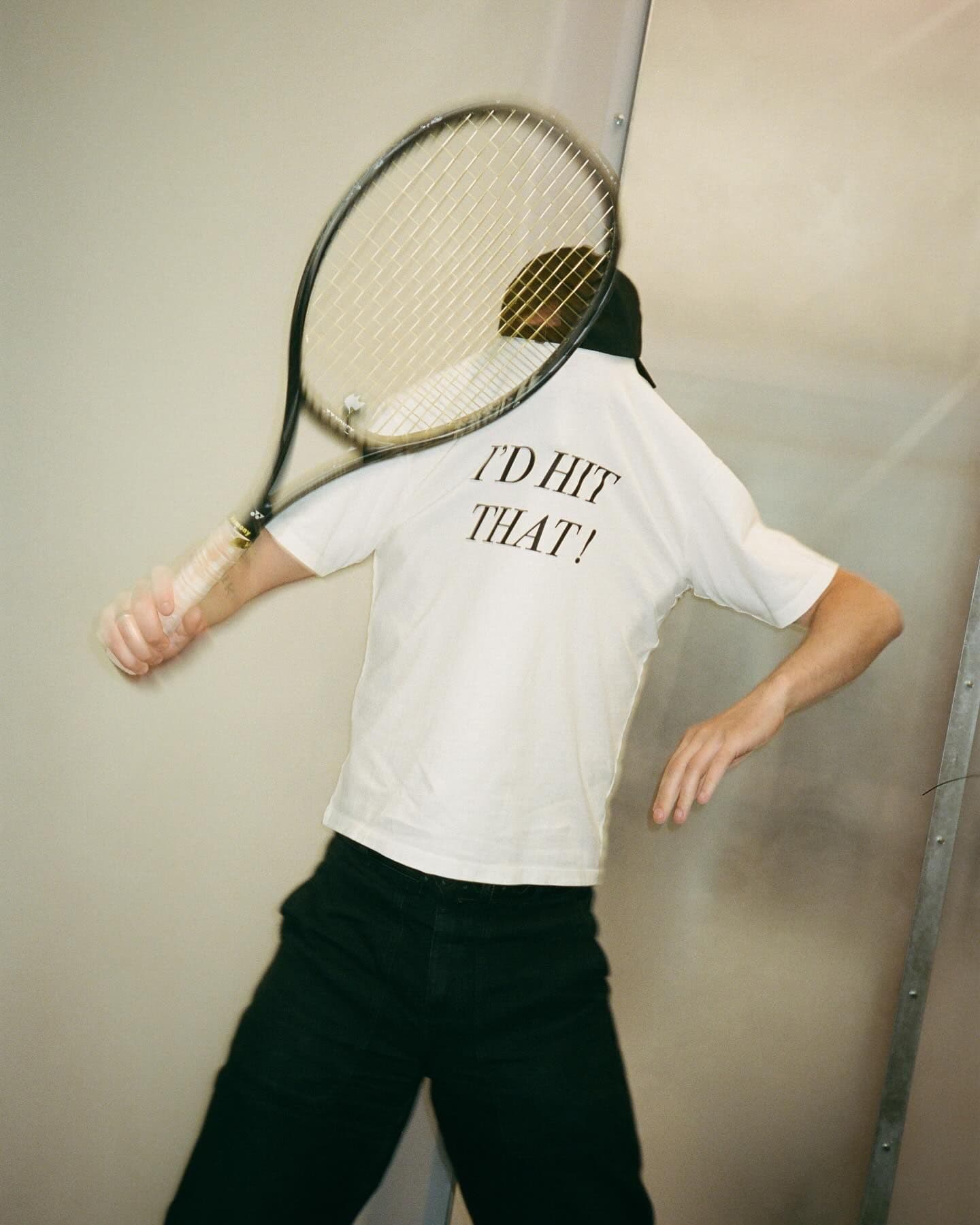
Tennis has always been fashion’s most elegant sport. Long before tenniscore had a name, the game carried an aesthetic shorthand: discipline without rigidity, privilege without excess, performance softened by grace. Today, that language has been re-translated for a generation hungry for refinement that still moves — and the result is court couture, a lifestyle coded in pleats, polos, and restraint.
What sets the current tenniscore wave apart isn’t just nostalgia. It’s the way emerging brands and considered collaborations are expanding tennis beyond the baseline — turning a historically exclusive sport into a cultural canvas.
What once belonged purely to locker rooms and match days — crisp pleated skirts, collared polos, cable knit vests, high-waisted shorts, and clean white sneakers — now defines street style from fashion capitals to suburban boulevards. Think of it as a sartorial love letter to tennis itself: clean lines, timeless silhouettes, and a preppy elegance that feels just as right at brunch as it does courtside.
From Heritage Whites to Modern Mythmaking
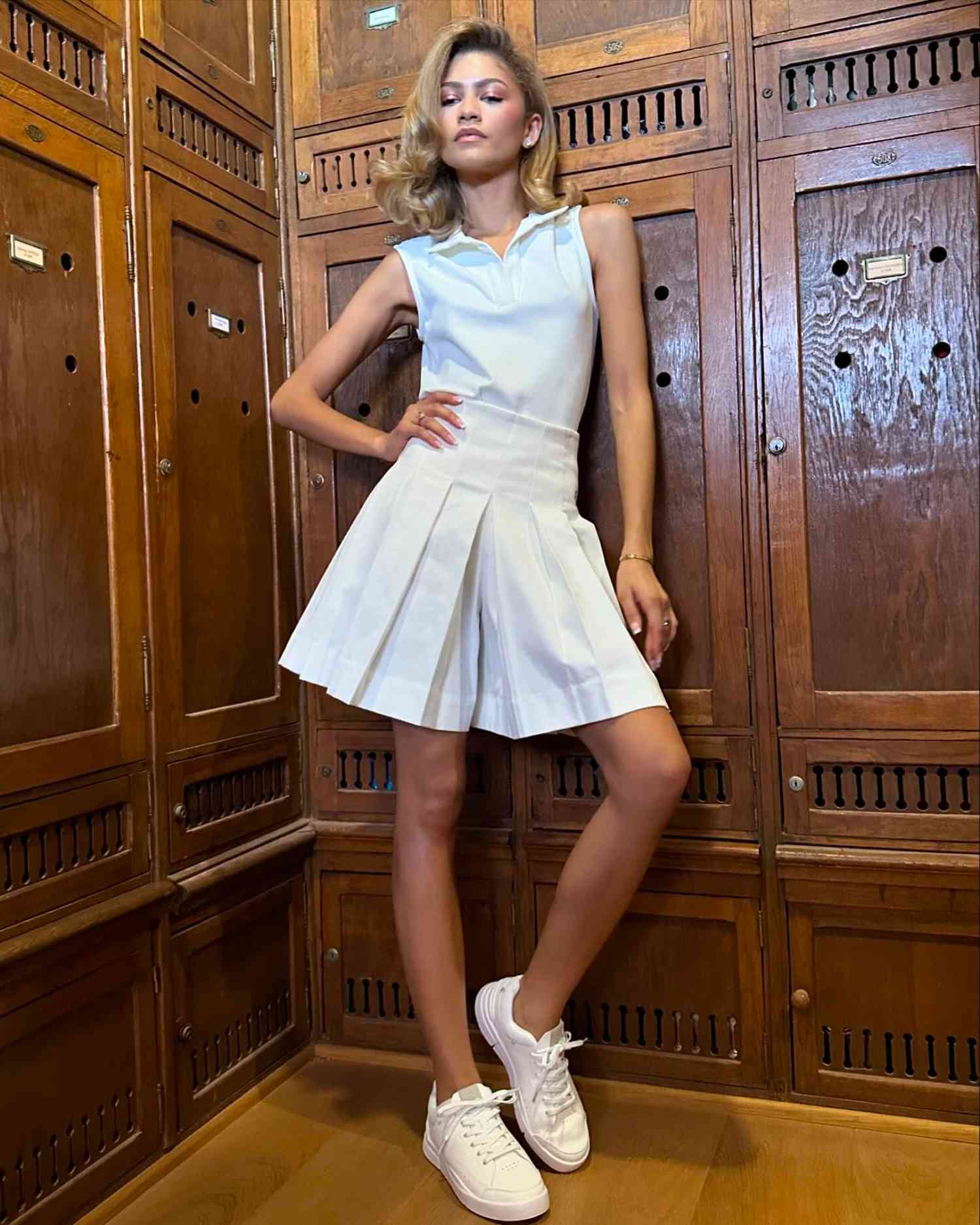
The resurgence gained cultural velocity when cinema, celebrity, and fashion aligned. Zendaya’s press-tour wardrobe for Challengers didn’t just reference tennis — it performed it. Sculpted silhouettes, crisp whites, and technical tailoring reframed tenniswear as modern armor. Suddenly, the look wasn’t about playing the game, but embodying its composure.
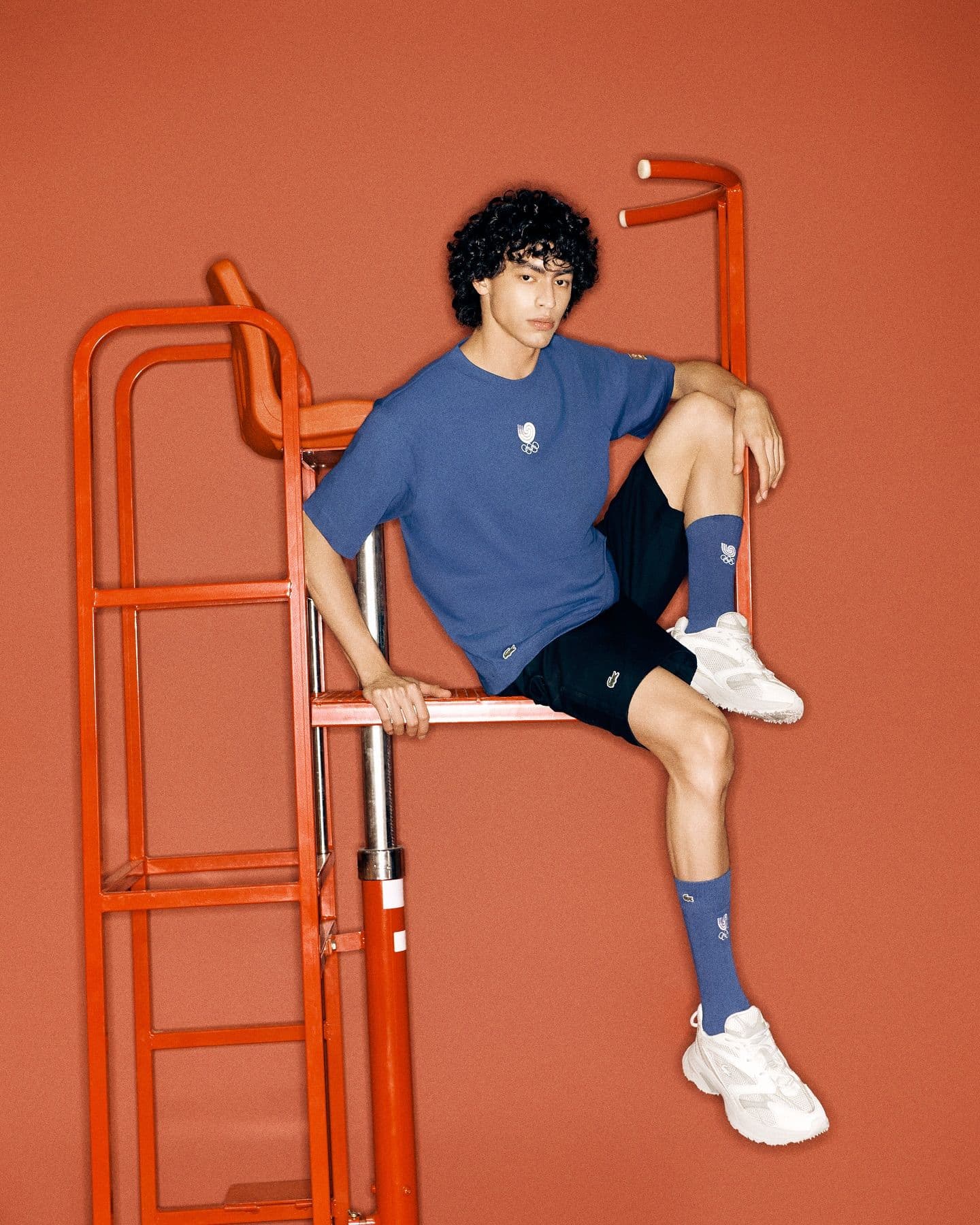
Legacy houses like Lacoste, long fluent in tennis heritage, leaned into this moment by modernizing their codes — elevated fabrics, architectural cuts, and collaborations that felt less nostalgic and more directional. Meanwhile, fashion-forward labels like Casablanca injected romance and surrealism, replacing strict athleticism with sun-washed color palettes, silk-inflected polos, and a Riviera-meets-Roland-Garros fantasy.
This isn’t revival. It’s re-authoring.
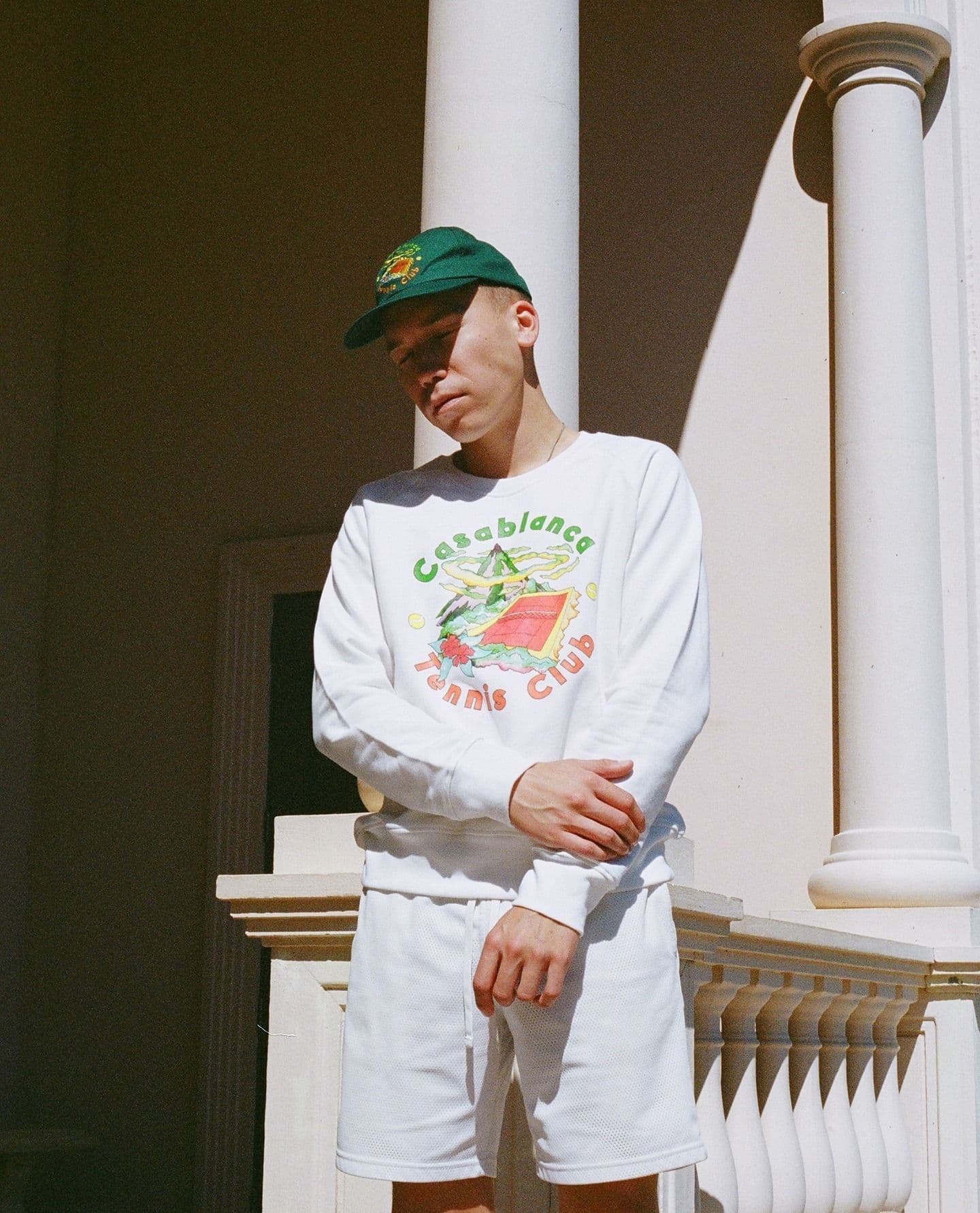
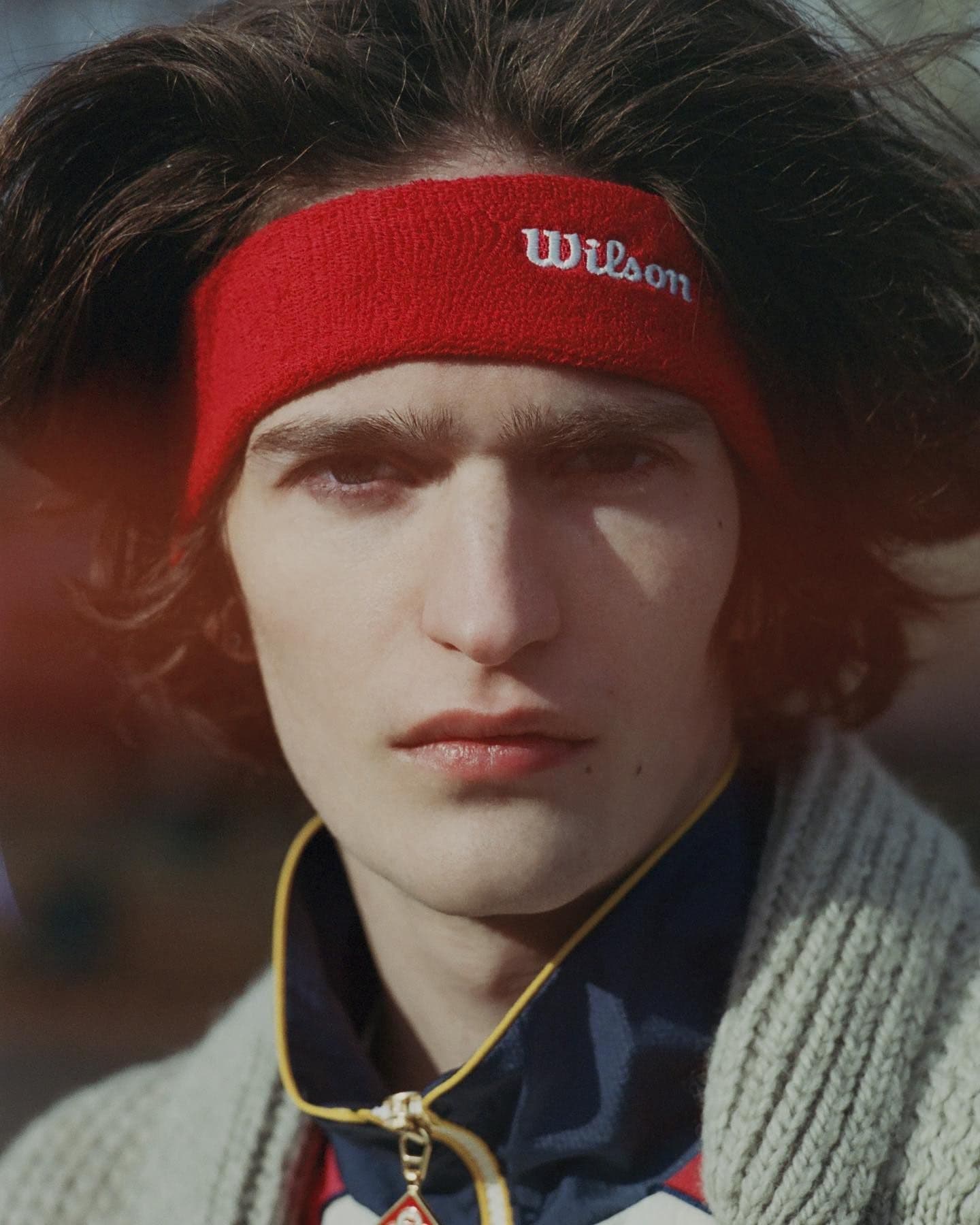
Wilson’s Rebrand: From Racquets to Culture Creators
One of the most fascinating transformations in this trend’s evolution comes not from a fashion house, but from a heritage sports brand: Wilson Sporting Goods.
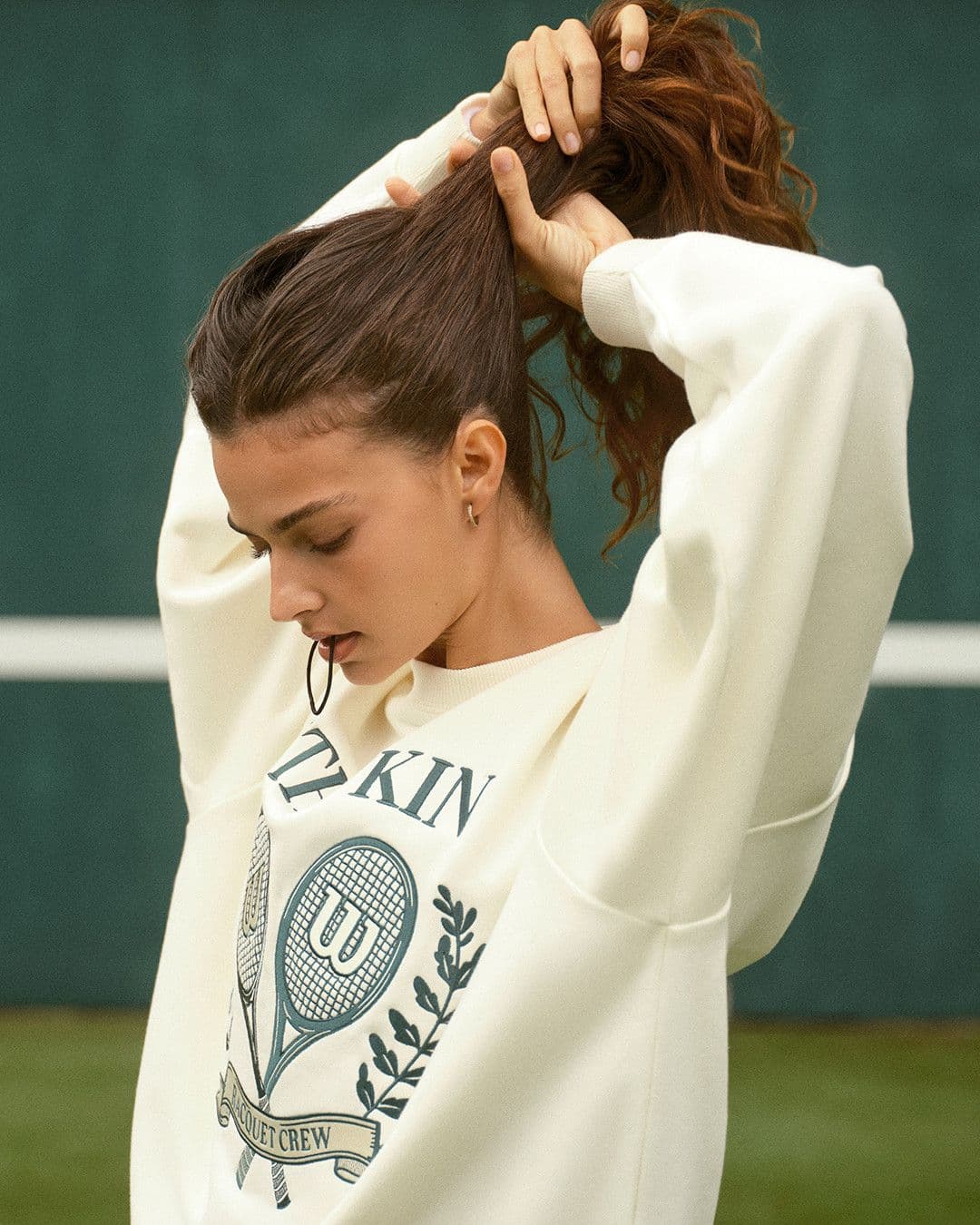
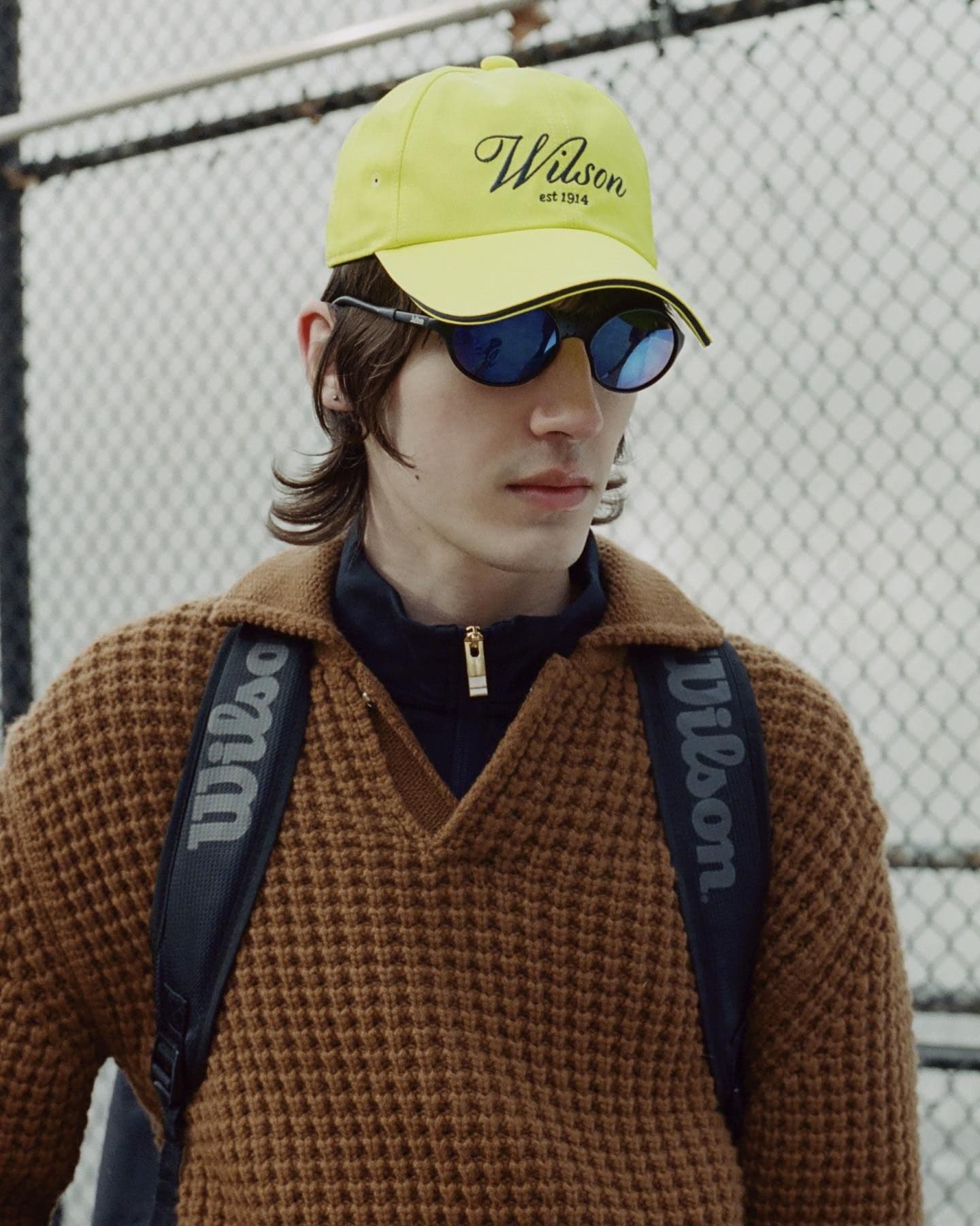
For much of its 110-plus-year history, Wilson was synonymous with tennis equipment — rackets and balls that powered legends and everyday players alike. But in recent years the brand has repositioned itself as a creator of tennis culture and lifestyle, not just gear. Beginning around 2019, Wilson leveraged new leadership and strategic investment to expand its direct-to-consumer focus and introduce tennis-centric sportswear and lifestyle collections that appeal to both players and fashion enthusiasts. This pivot has been instrumental in bringing tenniscore closer to the mainstream.
Wilson’s Sport Professionals line, anchored in tennis heritage and elevated with refined silhouettes like pleated skirts, classic polos, and mid-riff cuts, has blurred the lines between performance and fashion. Pieces are designed to function on court but carry enough style to be worn as part of everyday looks — a hallmark of tenniscore’s ethos.
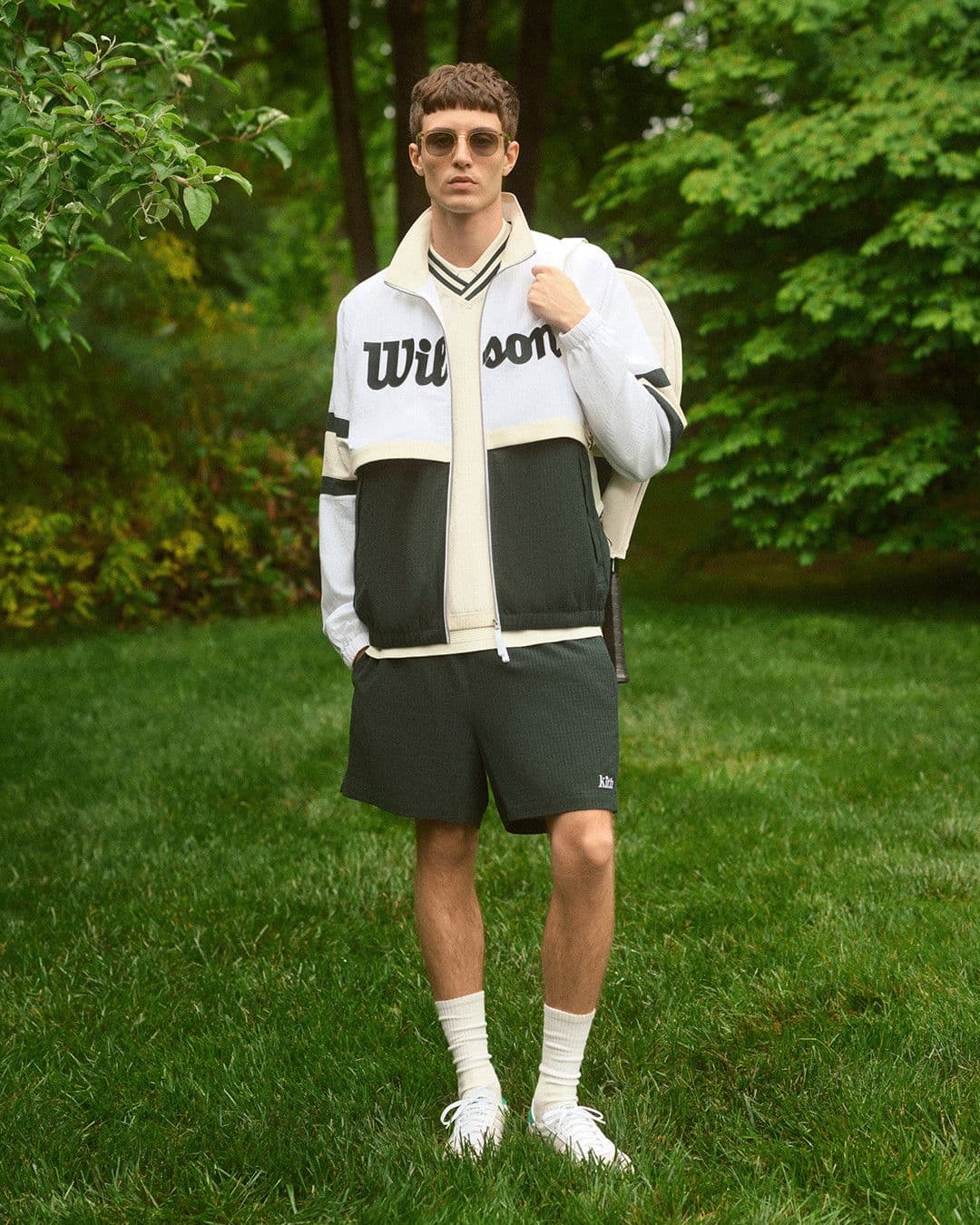
Strategic collaborations have amplified this shift. Wilson’s partnerships with fashion-forward collaborators like Kith demonstrated how classic tennis silhouettes can be reimagined with modern streetwear sensibilities — a fusion that resonates both on social feeds and in real-world wardrobes.
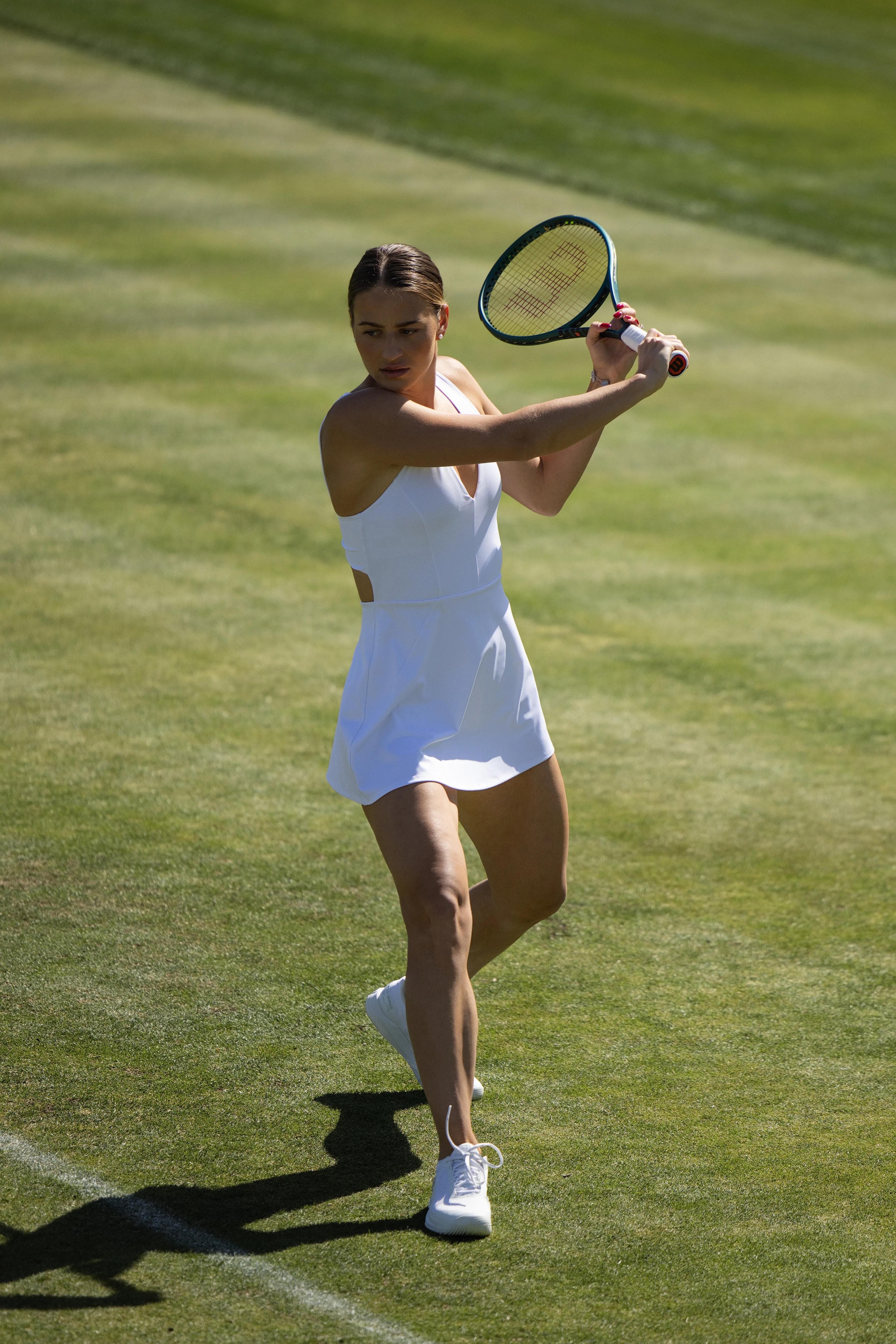
Perhaps most visible are the athletes who embody Wilson’s rebrand strategy. Players like Marta Kostyuk — whose tournament dresses have graced best-dressed lists — and Wilson’s expanded Tennis 360 roster bring tenniscore looks to life in competition, reinforcing that style and athletic performance are not separate worlds.
The New Guard: Emerging Brands Redefining the Court
Fashion insiders and influencers began reframing the trend. Tenniscore is now described as more than nostalgia: it’s about aspirational suppression — subtle, polished, and effortlessly cool — rather than obvious branding. Pleats and polos are no longer just sporty accents; they’re style coordinates that signal both relaxed confidence and attention to detail.
Beyond the heavyweights, a new class of brands is shaping tenniscore as a lived aesthetic rather than a seasonal trend.
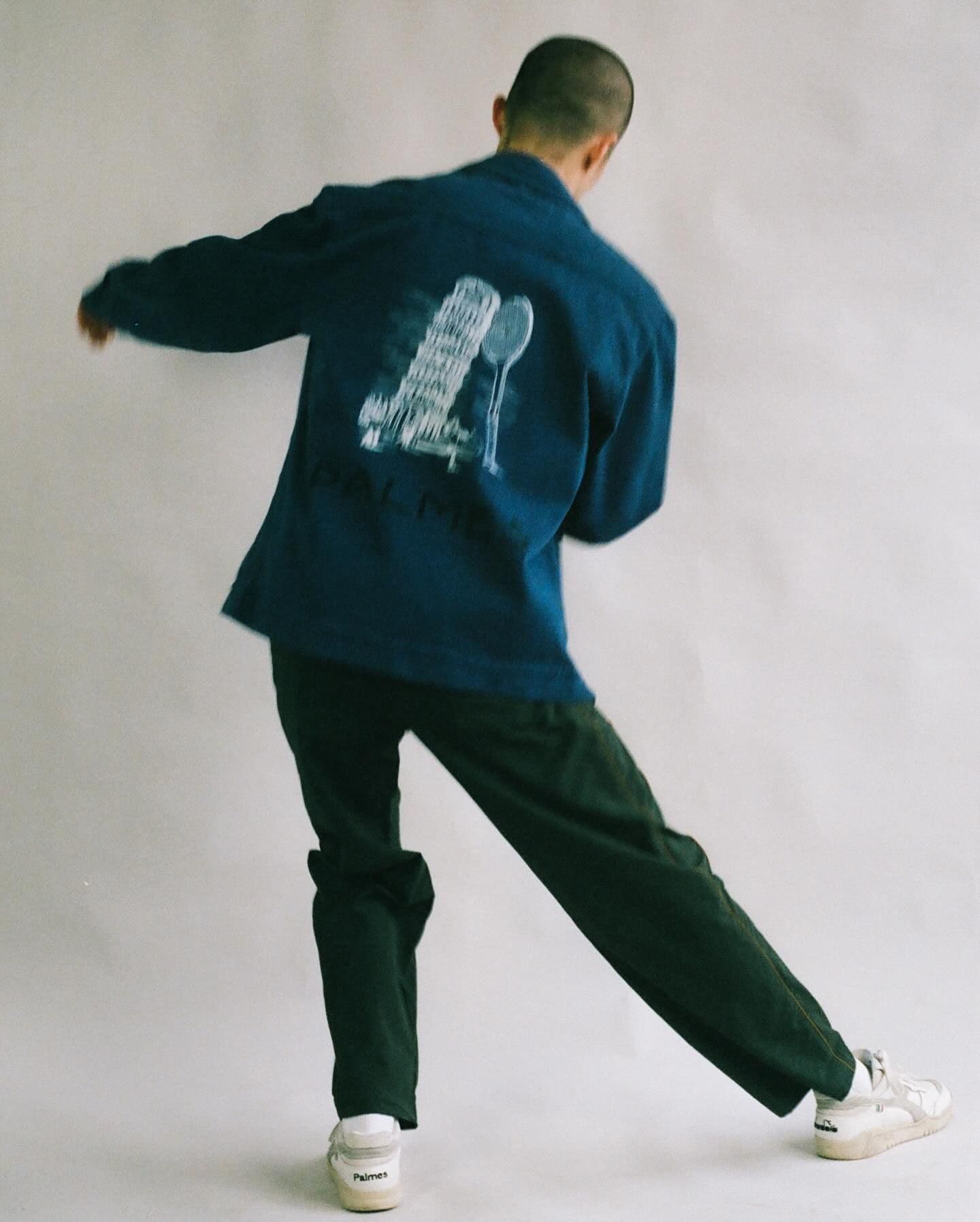
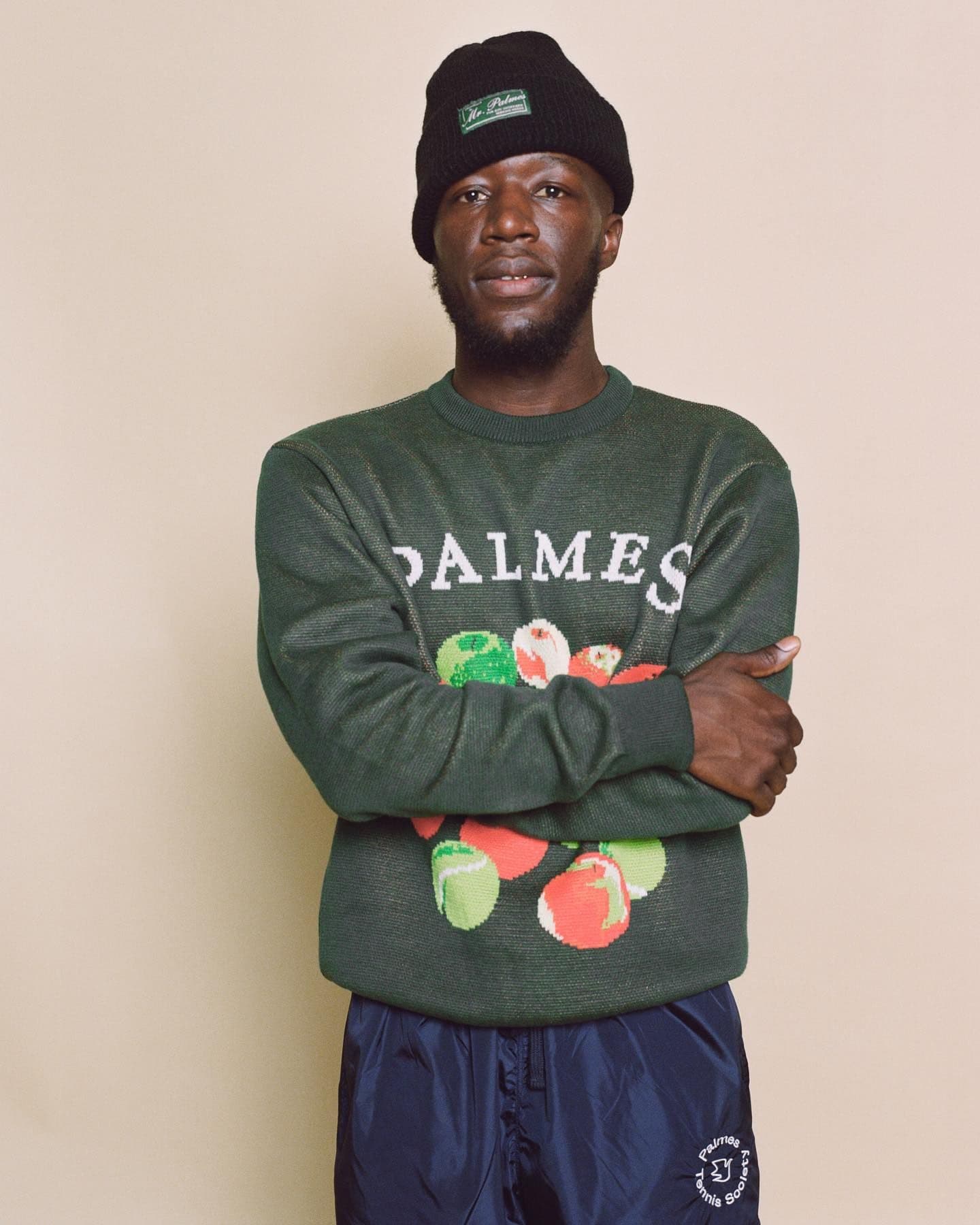
Palmes approaches tennis from the street up. Rooted in Copenhagen’s skate and creative scenes, the brand frames tennis as a social ritual — graphic tees, minimalist knits, and club-style branding that feels more members-only café than country club. Their collaborations and community-driven drops blur the line between sport, art, and everyday uniform.
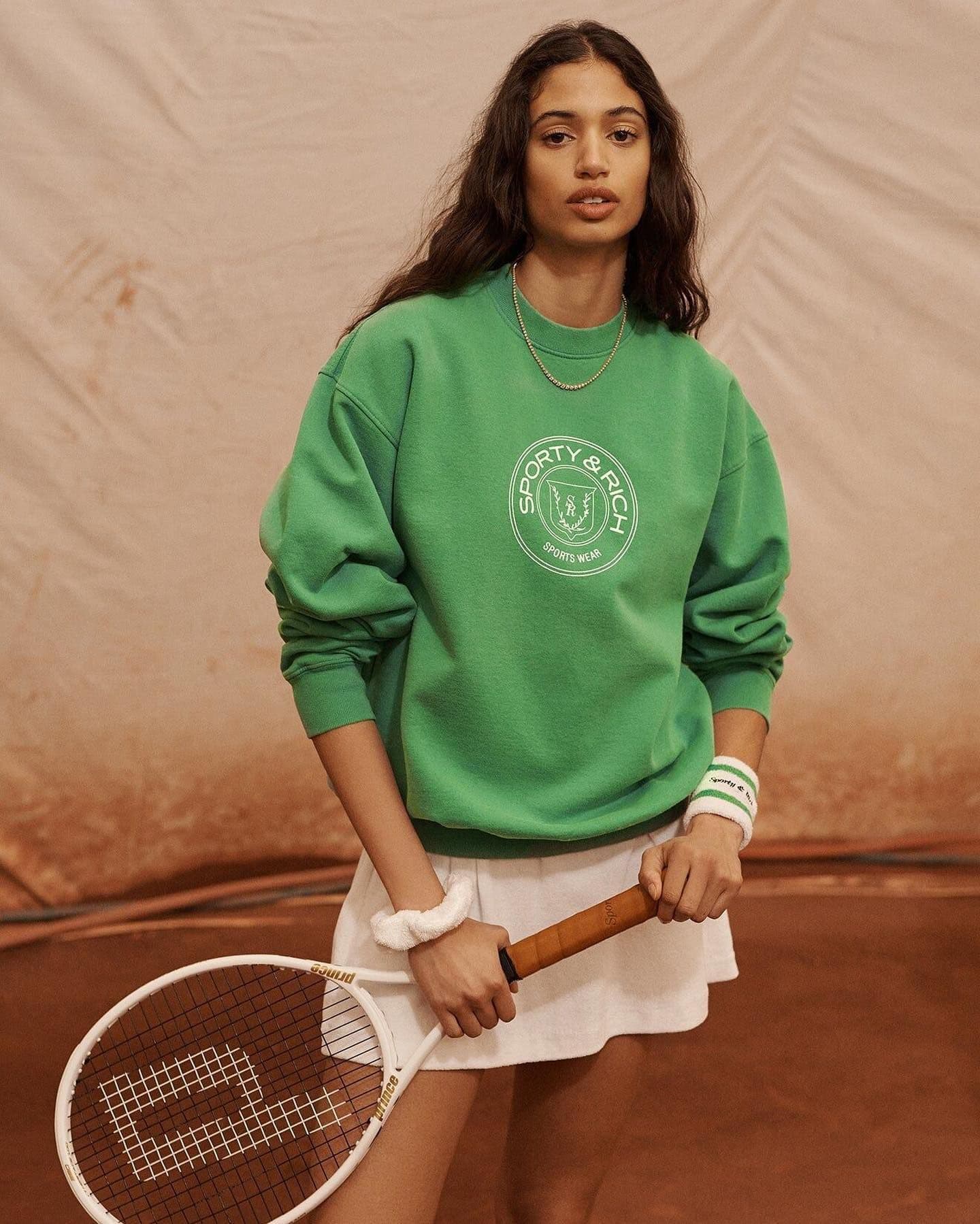
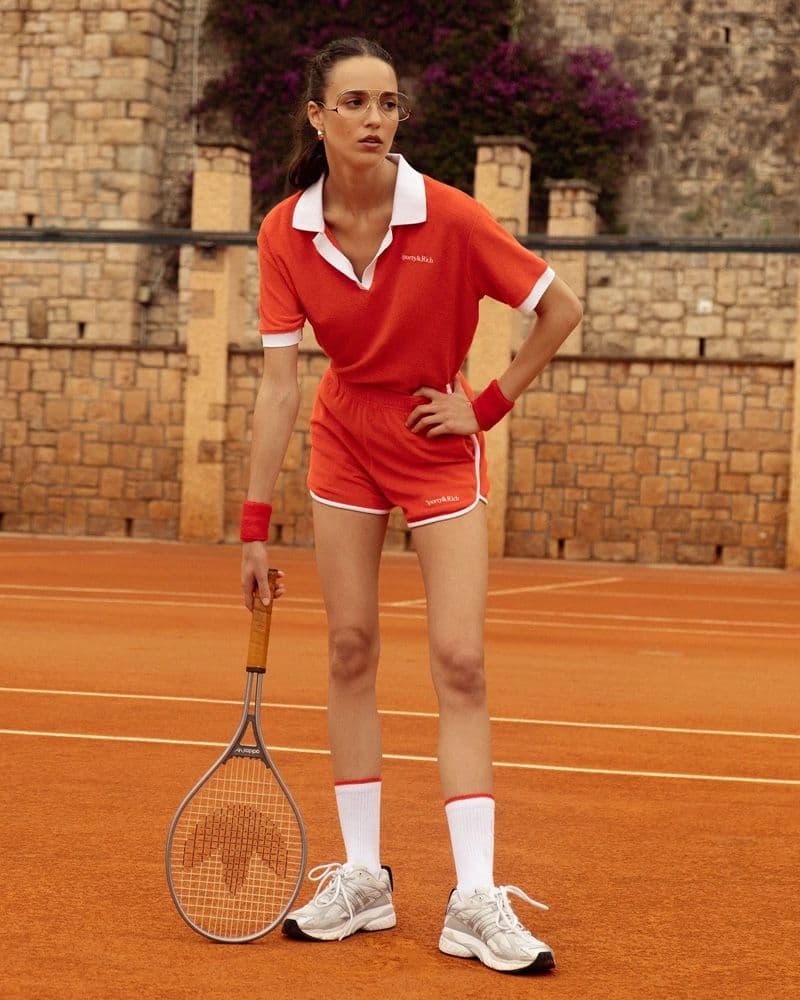
On the opposite end of the spectrum, Sporty & Rich treats tenniscore as aspirational restraint. With capsule collections that lean into classic silhouettes — sweaters, polos, skirts — the brand’s tennis references feel intentional, almost meditative. Collaborations with heritage sportswear manufacturers and courtside styling moments position the label as the connective tissue between wellness culture and old-money sport codes.
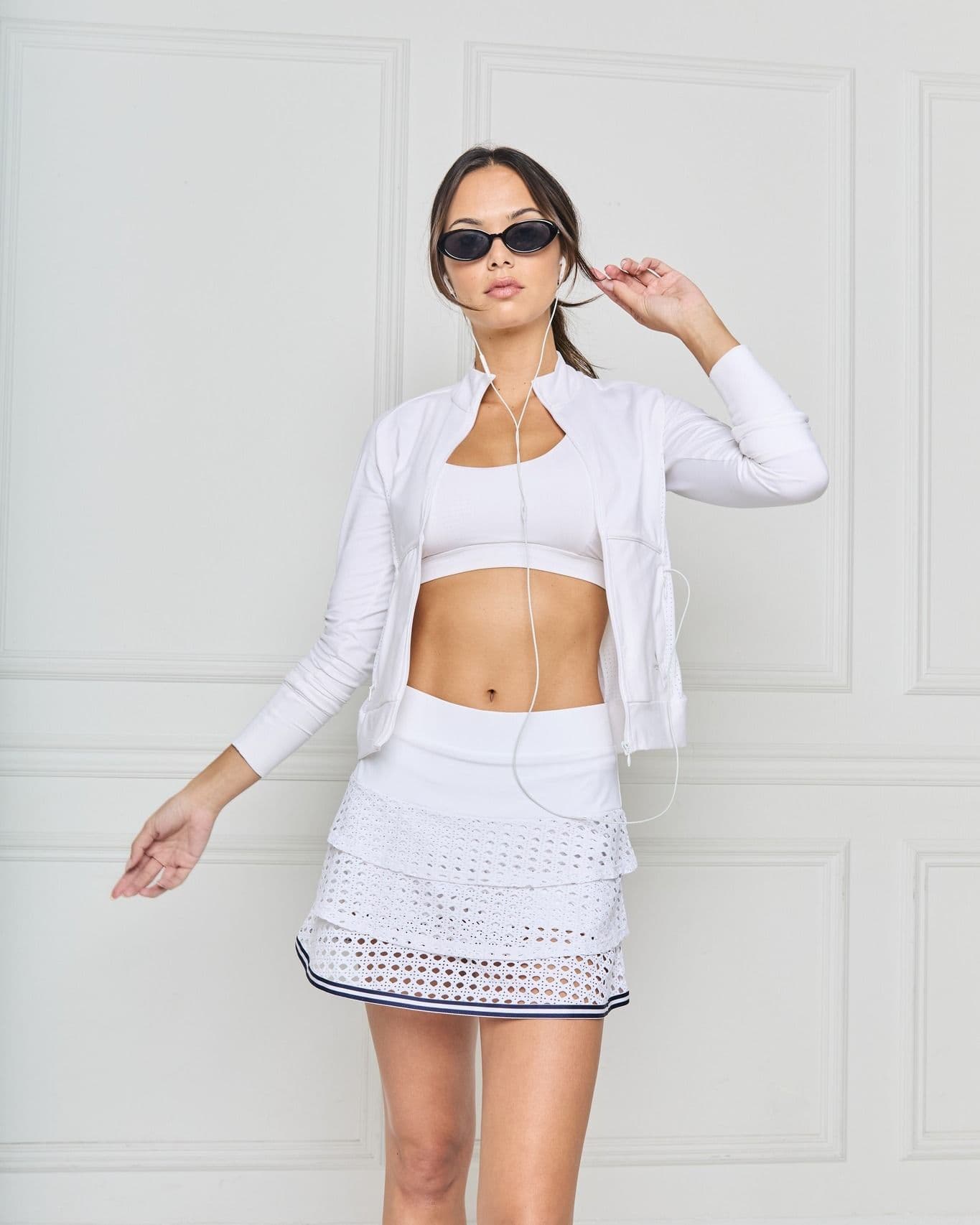
Then there’s L’Etoile Sport, which champions the idea that performance and polish are not mutually exclusive. Their collections prioritize cut, drape, and tactility — pieces that can plausibly move from a morning match to a late lunch without visual translation. It’s tenniswear as quiet luxury, not costume.
Court Meets Ready-to-Wear
Tennis Club brings modern court elegance to the trend with sleek tennis dresses designed to look as at home at brunch as on the baseline. Its silhouettes — flattering, minimalist, and versatile — reflect tenniscore’s evolution beyond activewear into everyday fashion staples that still feel rooted in sport.
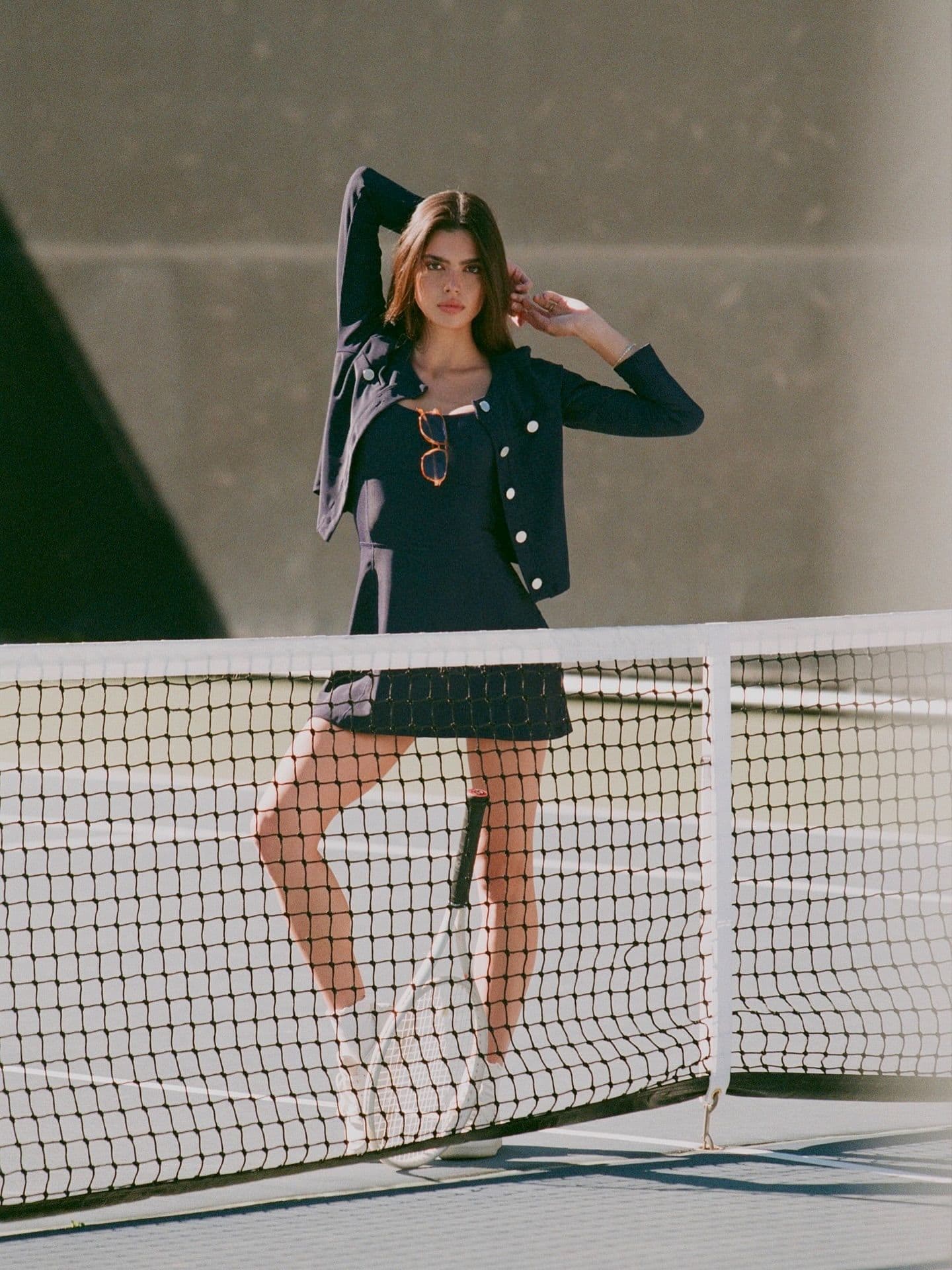
JACQUES takes this a step further with a luxury performance line that nods directly to tennis motifs while blending them with contemporary menswear and performance textiles. Their collections — often inclusive of tennis-specific designs — bridge high fashion and athletic functionality, reinforcing tenniscore’s appeal at the intersection of utility and refinement.
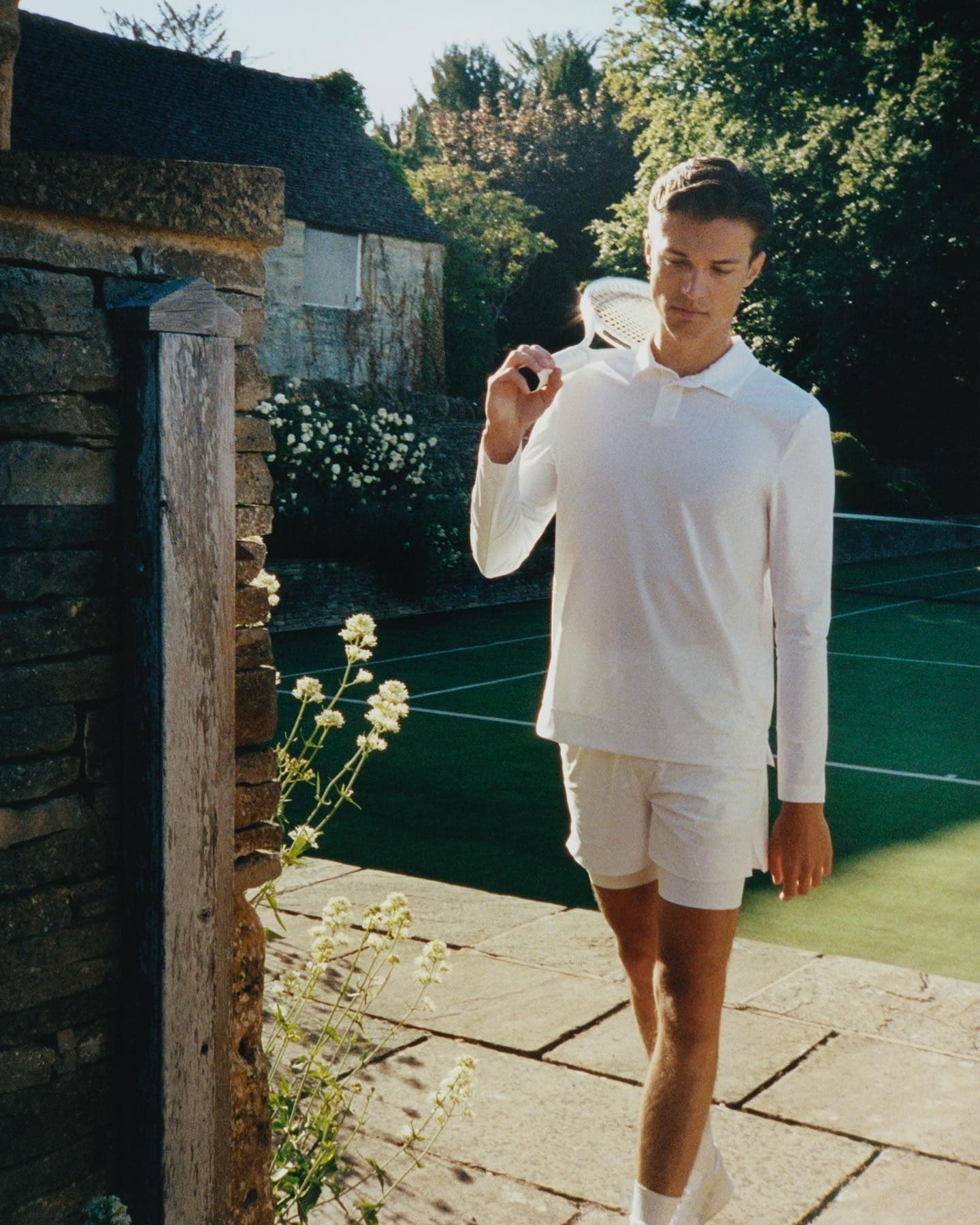
Emerging Fashion Voices
Around the world, other labels and digital platforms — though smaller or more niche — are helping tenniscore grow in authenticity and depth:
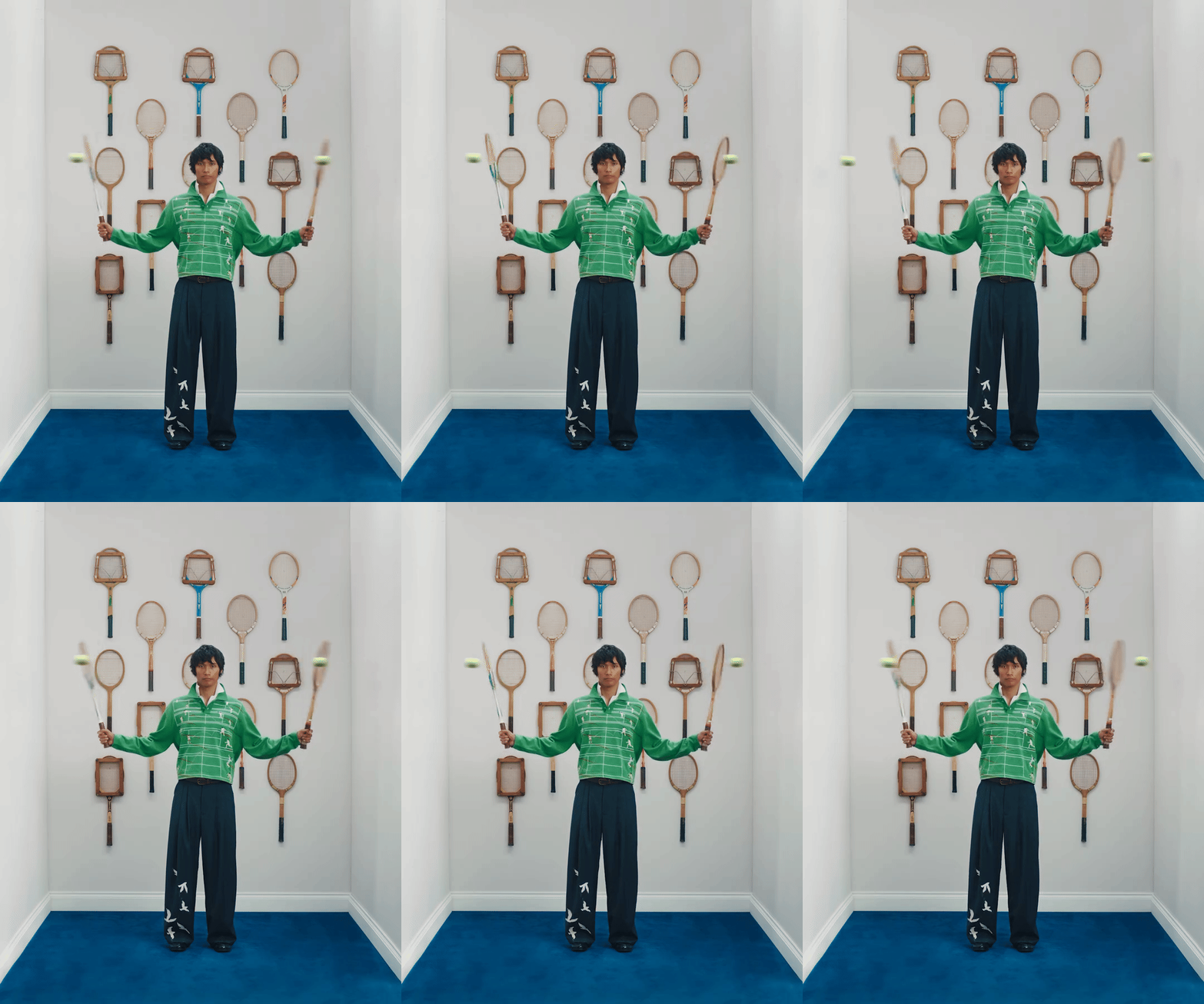
House of Errors is a London-based fashion label operating at the intersection of satire, streetwear, and social critique. Known for graphic-heavy garments, bold typography, and intentionally abrasive messaging, the brand blends retro court aesthetics with modern styling. Rooted in playful reinterpretations of classic tennis silhouettes — think relaxed polos, striped knits, and elevated basics — the label brings a youthful, street-aware energy to tenniscore style
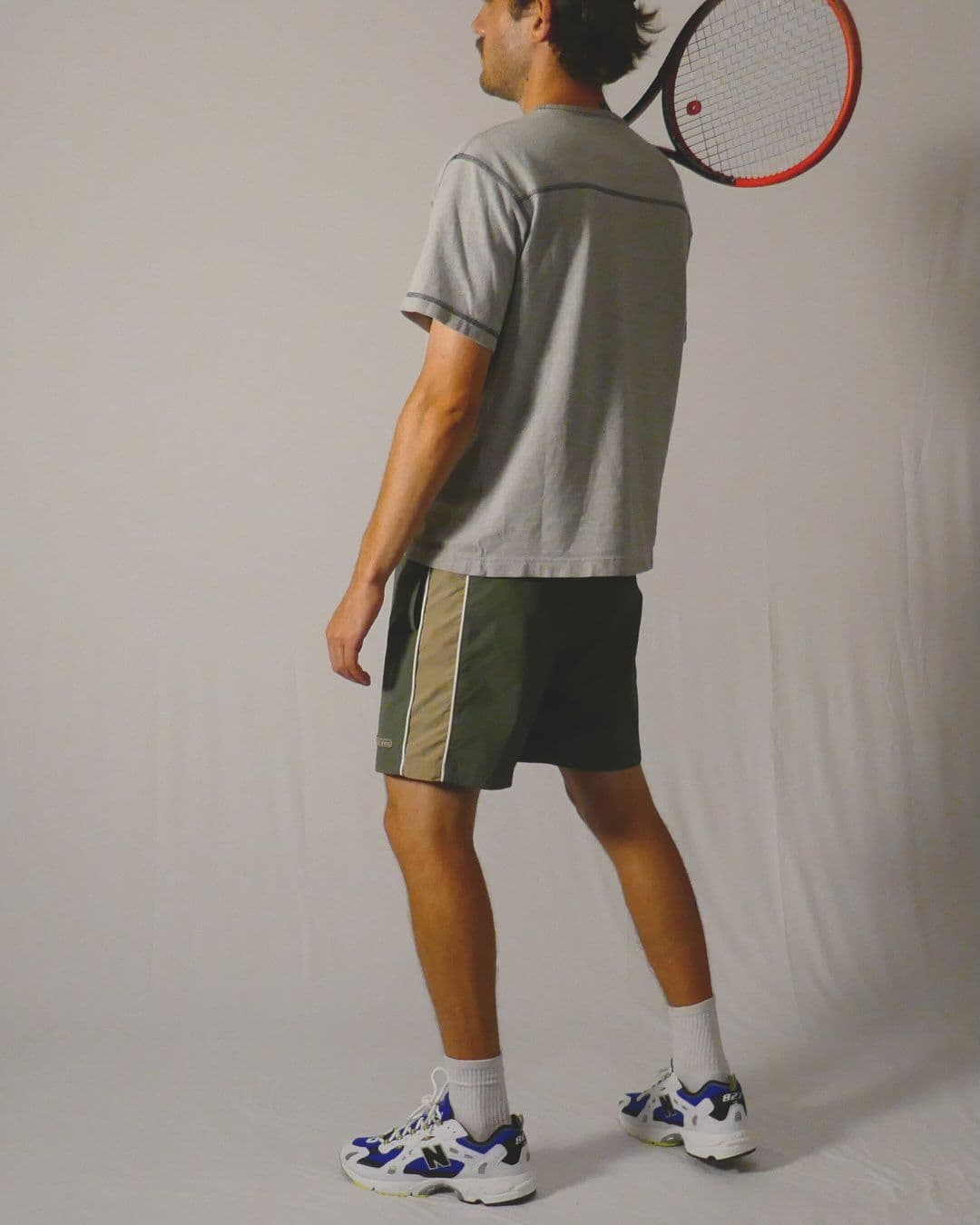
Outside Lines Tennis is a Boston-based brand inspired by vintage tennis style, especially the relaxed court aesthetics of the ’90s and early 2000s. Its polos, shorts, and off-court staples blend club-culture nostalgia with modern tenniscore sensibility.
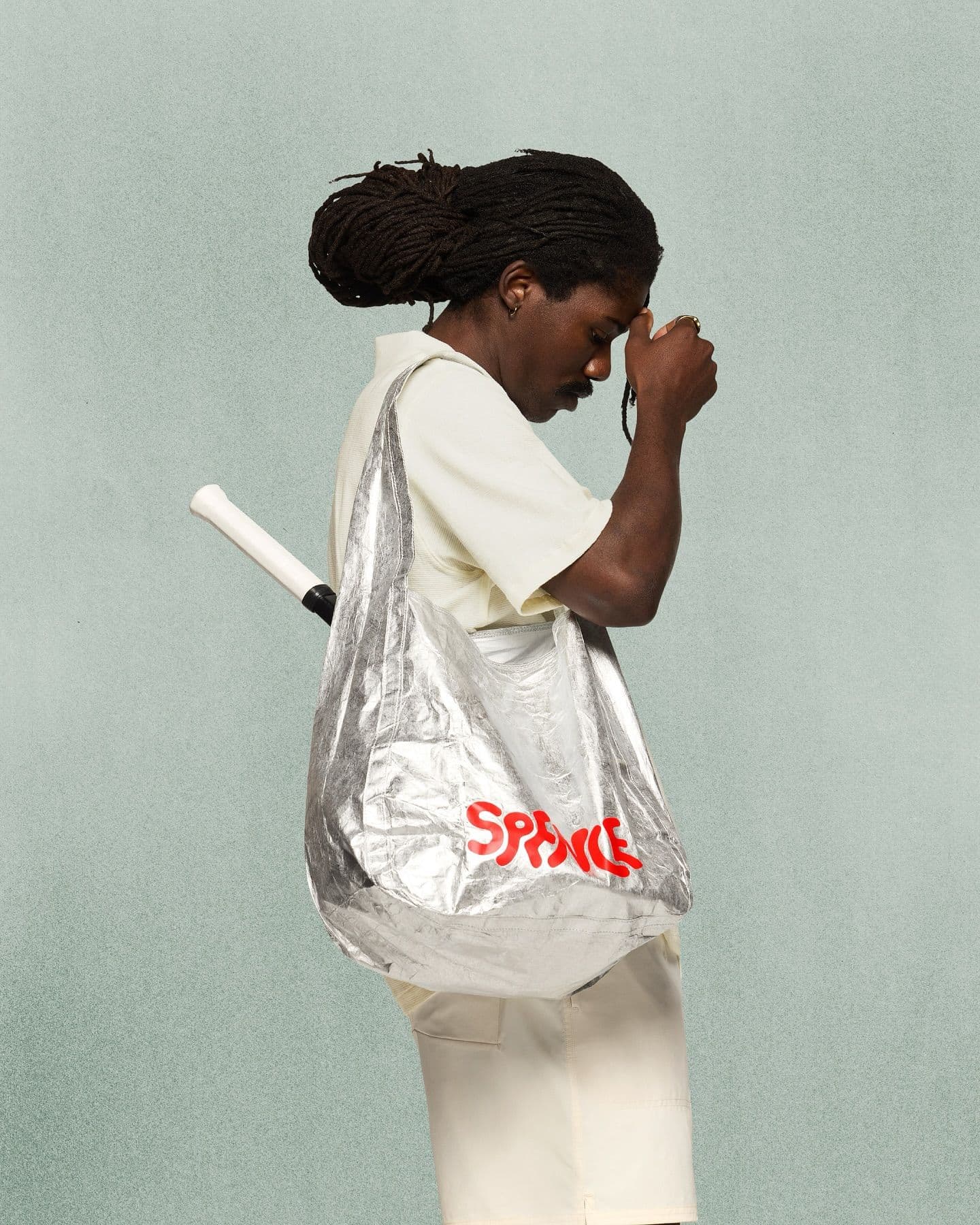
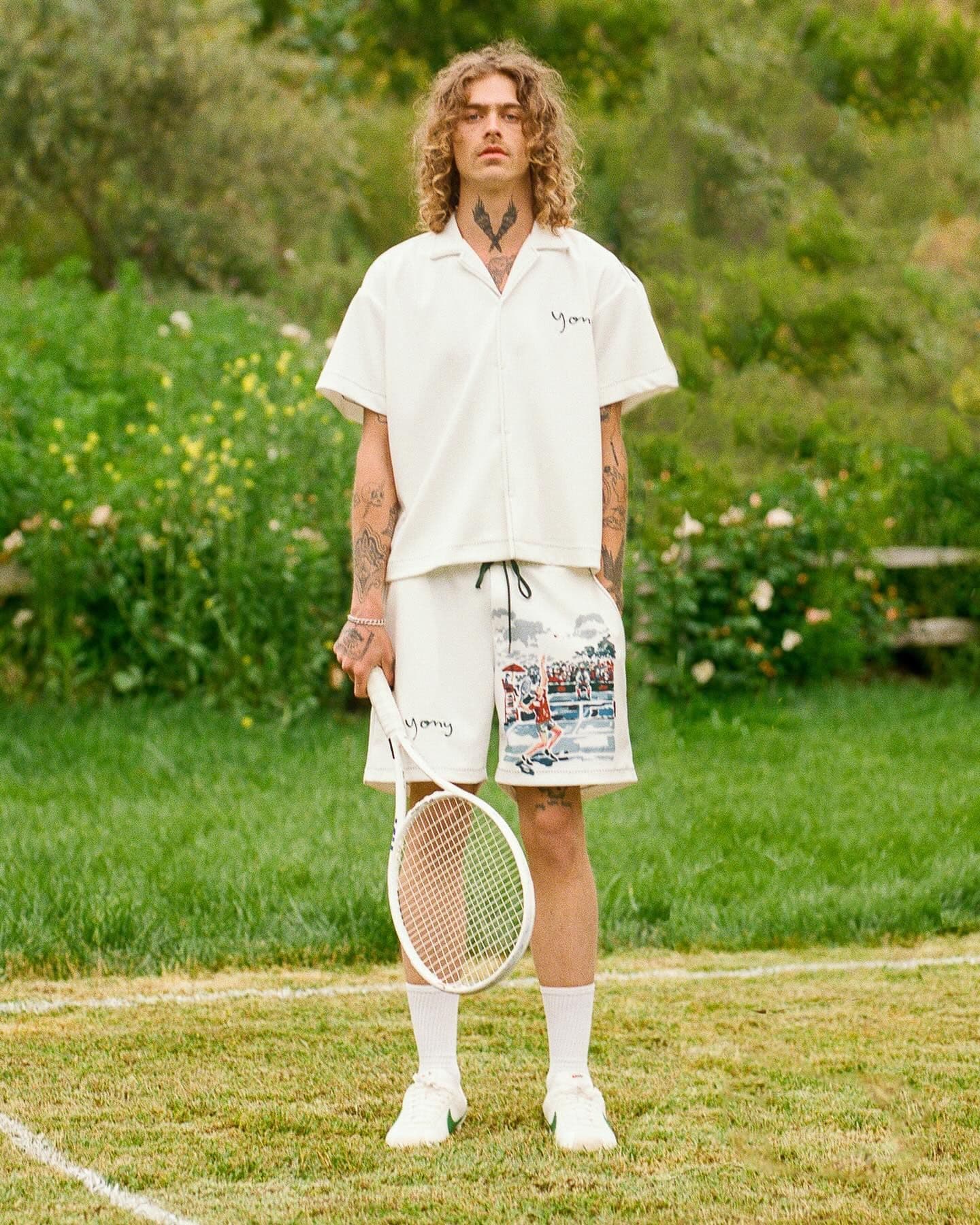
Spence and Yony offer boutique or designer approaches that sometimes borrow athletic cues in broader collections, feeding into the sport-inspired fashion economy that tenniscore rides on.
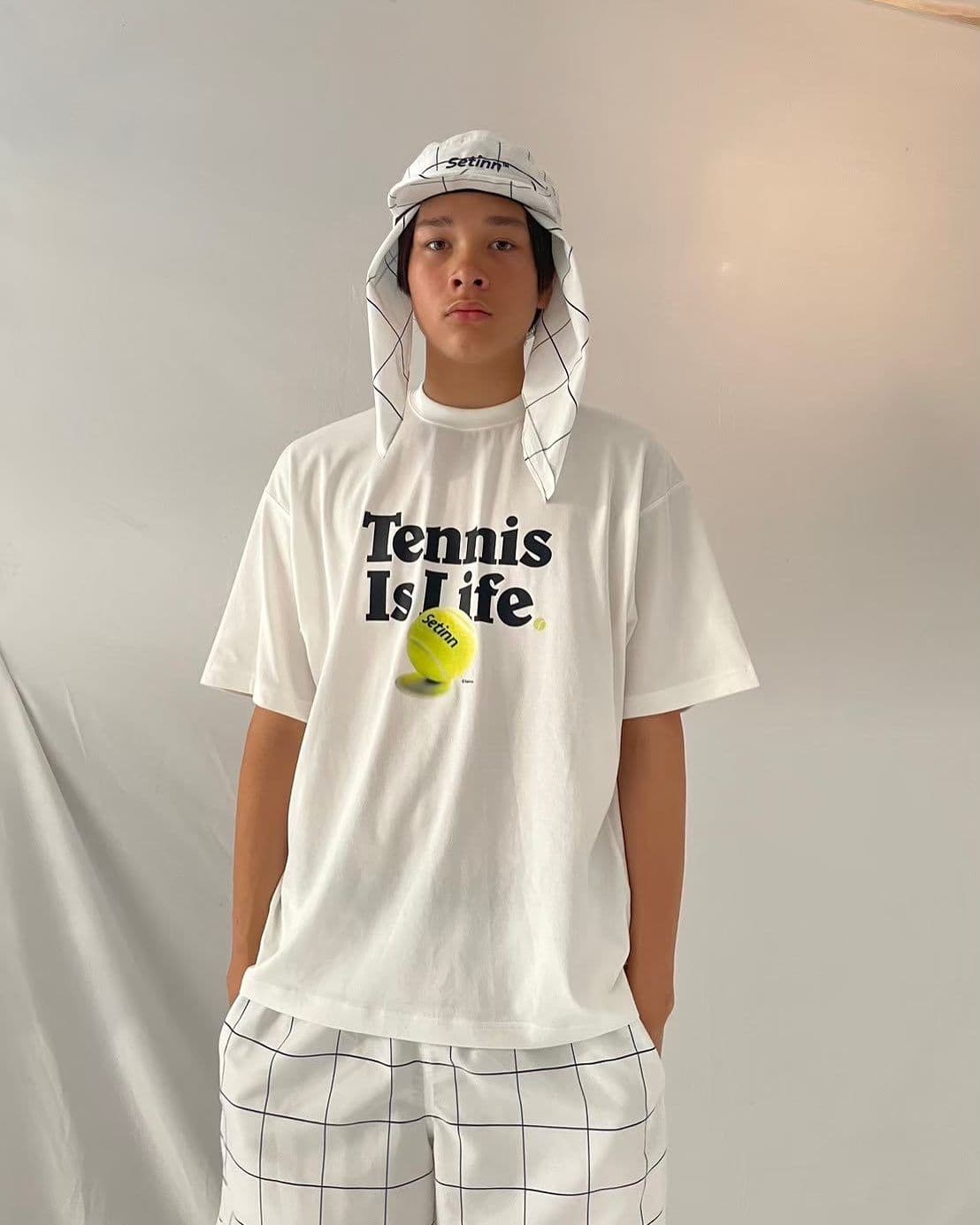
Setinn from Japan exemplifies how global design sensibilities — minimalist, tailored, heritage-aware — interact with tennis aesthetics, expanding the trend beyond Western fashion hubs.
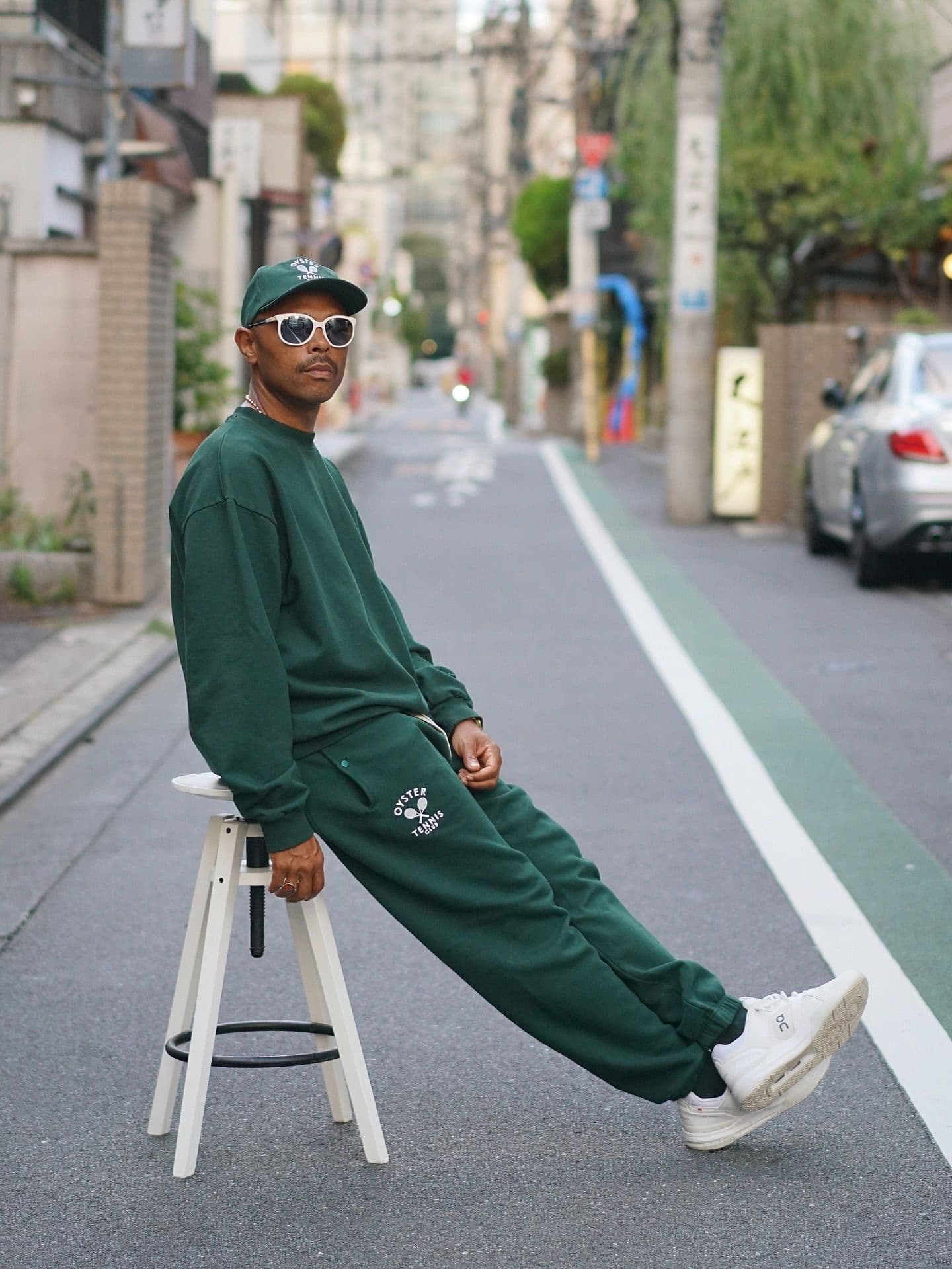
Oyster Tennis is a community-driven tennis lifestyle brand blending classic court aesthetics with relaxed, modern apparel. Its polos, headwear, and off-court staples reflect tenniscore as culture—designed for both the court and everyday wear.
Similar digital-first brands spotlight grassroots tennis culture, gear, and lifestyle — further democratizing the sport’s image and informing how everyday players style themselves off court.
Tennis Culture & Storytelling
While the runway and street style have propelled tenniscore into global fashion conversations, a parallel cultural ecosystem — from indie publications to niche brands and digital communities — has deepened its impact and shaped how people live the trend, not just wear it.

Part magazine, part apparel label, part community hub. The Courts captures tennis from a playful, modern perspective—graphics, writing, and merch that feel closer to street culture than country clubs. The Courts offers another flavor of tenniscore: playful, grassroots, and rooted in tennis community culture. Their apparel — from tees to jerseys and caps — riffs on club identity and court humor, blending lifestyle with sport.
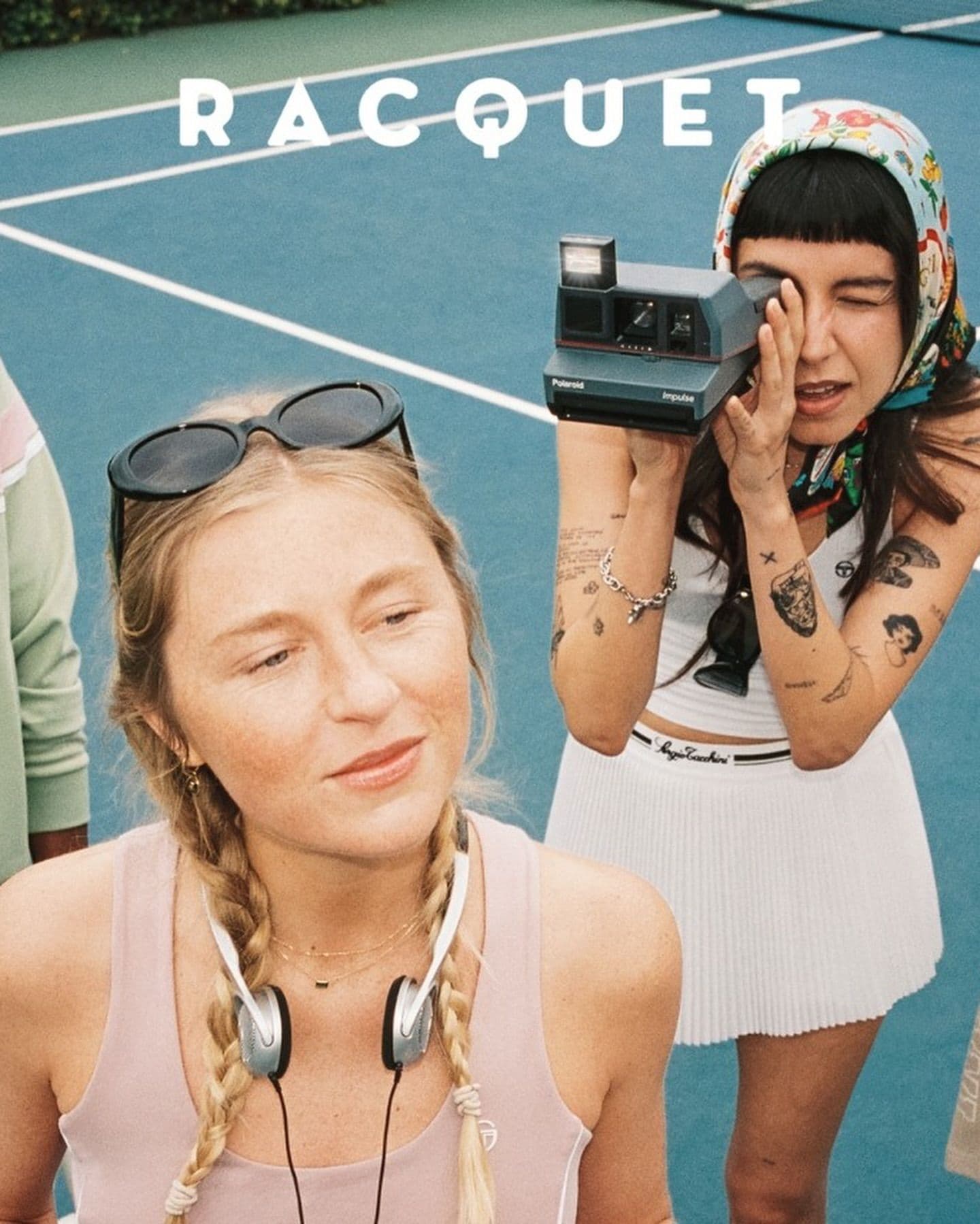
Racquet isn’t just a magazine — it’s a lifestyle platform documenting tennis as culture with richly written features, style essays, guides, and collaborations that blur the lines between sport and sensibility. With print issues, merch, and even curated events that bring tennis into broader creative conversations, Racquet underscores that tenniscore is as much about storytelling as design.
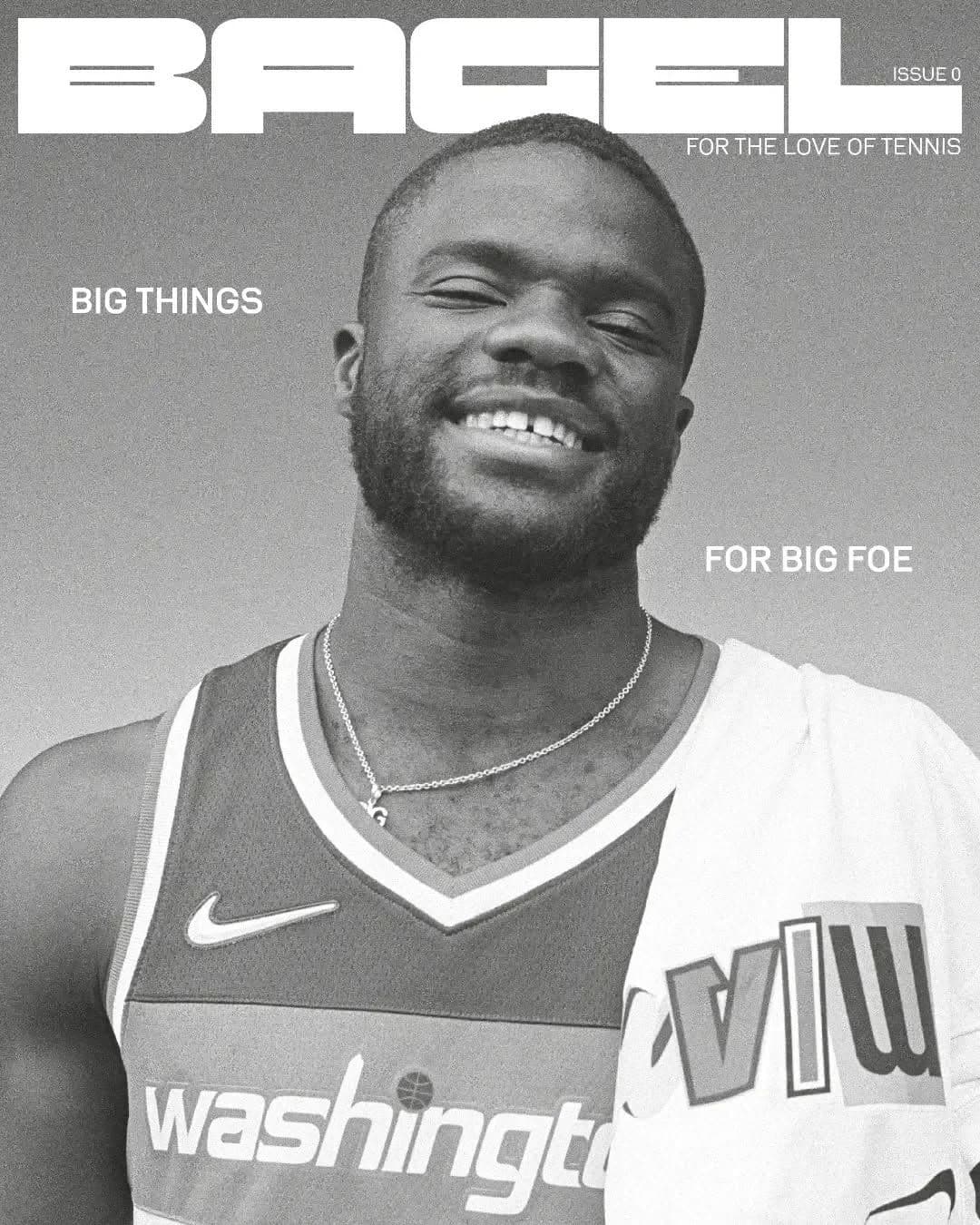
Meanwhile, Bagel Magazine — co-founded by former editors of iconic youth press — captures tennis’s human side: community courts, player personalities, and fashion narratives that feel authentic rather than institutional. Its photo essays and culture pieces invite readers to see tennis not as elitist club wear, but as community dress — sweaty, soulful, stylish.
The beauty of court couture isn’t just in pleats and polos. It’s in the culture that surrounds it — the storytelling, the grassroots community energy, the independent labels reimagining sportwear for everyday life, and the spaces where fans and fashion lovers merge. This convergence helps explain why tenniscore feels inclusive yet aspirational, classic yet current — truly a cultural style movement, not a fad.
Collaboration as Cultural Strategy
What distinguishes tenniscore’s rise is how collaborations are used not as hype engines, but as credibility builders.
Rather than loud logos or novelty capsules, the most effective partnerships focus on shared values: discipline, heritage, movement, and clarity. When legacy sportswear brands partner with fashion-first labels, the result often feels less like merch and more like a thesis on modern elegance.
These collaborations reinforce a key truth of tenniscore: it’s not about trend adoption, but cultural alignment. The court becomes a symbol — of focus, of control, of cultivated effort — and the clothes follow suit.
The Aesthetic on and off the Court
At its heart, tenniscore celebrates contrasts. It pairs performance with polish, utility with refinement, sport with swagger. Crisp whites and understated palettes dominate, but pops of electric greens, high-vis yellows, and vintage pastels keep looks vibrant and modern.
Accessorizing is half the game: classic visors, oversized sport socks, delicate jewelry with athletic roots, and sleek tennis sneakers complete outfits that are perfectly at ease whether someone is walking into a café or sitting front row at Fashion Week.
Why Tenniscore Endures
At a time when fashion is oscillating between maximalism and hyper-utility, tenniscore offers a third lane. It’s composed but not cold. Athletic but not aggressive. Luxurious without spectacle.
Court couture works because it mirrors how people want to live now: active, composed, intentional. Whether expressed through a pleated skirt, a heavyweight polo, or a softly structured knit, tenniscore isn’t about sport alone — it’s about posture, both physical and cultural.
In that sense, tennis hasn’t just returned to fashion.
It’s reclaimed its role as fashion’s most elegant metaphor — a game of balance, restraint, and quiet power, played well beyond the lines.
What’s Next for Court Couture?
Far from being a fleeting fad, tenniscore has proven resilient — and adaptable. It taps into the broader cultural appetite for comfort without compromising sophistication. Its cross-generational appeal — embraced by Gen Z and seasoned style obsessives alike — suggests this is one trend that will continue to serve well past the summer seasons.

In a year where sport and fashion increasingly overlap, court couture stands as a testament to how functional design can transform into timeless style. Whether you’re walking into the U.S. Open or stepping out for espresso, tenniscore isn’t just what you wear — it’s how you carry yourself: balanced, poised, and always stylish.